
2026 is right around the corner, and many sellers are not ready for what’s coming. The future of e-commerce will reward brands that prepare early and punish those that wait.
Each year, shifts in buyer behavior, technology, and platforms reshape online selling. Some businesses grow because they adapt quickly, while others lose sales and fall behind.
Most sellers struggle because they fail to plan for long-term shifts in how customers shop and how platforms evolve. Ignoring these changes leads to higher costs, weaker visibility, and missed revenue.
This blog breaks down the top trends shaping the future of e-commerce in 2026 and how sellers can prepare to stay competitive. Our Amazon agency will also help e-commerce brands optimize operations, boost sales, and adapt to these emerging trends.
Table of Contents
Boost Your Online Sales Today
Our Amazon agency helps e-commerce brands optimize operations and increase revenue.
Why Sellers Should Prepare Now for the E-commerce Shifts Coming in 2026
Staying ahead of e-commerce trends is no longer optional if you want your business to thrive. In a fast-paced online marketplace, what works today could fail tomorrow if you’re not prepared for upcoming shifts.
Competition is fierce, with over 30 million e-commerce sites globally, making visibility and differentiation harder than ever. Being the first to adopt new trends, technologies, and consumer expectations is often the difference between growth and decline.
Consumer behavior is evolving with rising demands for personalized experiences, sustainability, and faster service. Understanding these shifts early allows sellers to build adaptable systems and strategies that keep them ahead of competitors.
10 E-commerce Seller Trends Shaping 2026 and Beyond
The following trends are shaping the future of e-commerce, changing how sellers attract, engage, and retain customers. By understanding these shifts, sellers can better prepare for the challenges and opportunities that 2026 will bring.
1. AI Shopping Assistants Influence Buying Decisions
Artificial Intelligence is becoming part of nearly everything we do, and for e-commerce shoppers, it’s acting as a personal shopping assistant. Tools like ChatGPT and Gemini help users search for products, compare options, and follow recommendations, which means sellers need to have accurate, well-structured product data to be discovered.
For e-commerce sites, this shift changes how customers navigate and buy, making AI readiness a competitive advantage. Sellers who optimize their sites for AI-driven discovery can increase visibility, engagement, and conversions while staying ahead of competitors.
2. Personalization Becomes the Baseline
Shoppers are increasingly likely to purchase when e-commerce experiences are personalized to their preferences and behavior. Studies show that 80% of consumers are more likely to complete a purchase when recommendations, content, and offers reflect their unique needs.
For sellers, personalization is not just about conversions but also retention, as tailored experiences encourage repeat purchases and build loyalty. Using AI and customer data to guide product suggestions, loyalty rewards, and targeted messaging helps e-commerce sites increase revenue and strengthen long-term customer relationships.
3. Mobile Shopping Continues to Gain Ground
Most online shoppers now use their mobile phones to browse and make purchases, and this trend is expected to continue through 2026. In 2025, retail e-commerce sales are estimated to exceed $3.6 trillion worldwide, highlighting the growing importance of mobile-optimized shopping experiences.
Sellers need to ensure their e-commerce sites are fully optimized for mobile devices, with fast loading times, easy navigation, and mobile-friendly checkout options. With smartphones generating the majority of online orders, delivering a seamless mobile experience can directly impact conversion rates and overall sales.
4. Social Media Plays a Bigger Role in Purchase Decisions
E-commerce shoppers are increasingly influenced by real customers and social media creators who share products they love. Studies show that 70% of consumers are swayed by social media when making purchasing decisions, and 54% research products on these platforms before buying.
By 2026, social commerce is expected to grow even stronger, with TikTok alone projected to have nearly 40 million buyers in the U.S. Sellers who use influencer collaborations, user-generated content, and shoppable posts can tap into this trend to increase visibility, engagement, and sales.
5. Flexible and Frictionless Payment Options Become Expected
Flexible and frictionless payment options are becoming a standard expectation across all online marketplaces and e-commerce sites. Shoppers increasingly look for convenience and speed, avoiding sites with limited payment choices or complicated checkout processes.
Many brands now offer solutions like “Buy Now, Pay Later” (BNPL), mobile wallets, and even cryptocurrency payments to meet these expectations. Providing multiple, seamless payment options helps reduce cart abandonment and keeps customers coming back for future purchases.
Turn Trends into Growth Opportunities
Discover the strategies top sellers use to stay competitive in a changing market.
6. Voice Search Changes How Products Are Found
Voice search has become a growing trend for online shoppers who want to find products quickly and conveniently. Consumers now use smart speakers, AI tools, and voice assistants to search for items, making natural speech patterns an important factor for product discovery.
E-commerce sites that optimize for voice search can increase visibility and make shopping easier for multitasking customers. Brands that adapt their product titles, descriptions, and interfaces for conversational search are better positioned to capture frequent and repeat purchases.
7. Generative AI and Zero-Click Search Reduce Organic Traffic
Generative AI and zero-click search are changing how shoppers find products, with answers now delivered directly instead of sending users to websites. Approximately 80% of consumers rely on AI-generated responses for at least 40% of their queries, reducing organic traffic by an estimated 15% to 25%.
For e-commerce sellers, this means traditional SEO strategies are less effective, and visibility now depends on how well product listings and content feed AI systems. Optimizing structured data, knowledge bases, and content for AI-friendly discovery will be essential to maintain reach and sales in 2026.
8. Seamless Omnichannel Experiences Separate Strong Brands
By 2026, shoppers will expect a seamless experience across every touchpoint, whether they discover a product online, on social media, or in a physical store. Customers no longer shop in a single channel, and any disconnect in pricing, inventory, or messaging can break trust.
Strong brands will stand out by creating connected experiences that allow shoppers to move effortlessly between platforms without friction. As e-commerce continues to blend with in-person and social shopping, sellers who unify their systems and customer data will be better positioned to meet these rising expectations.
9. Sustainability and Ethical Practices Influence Buying Choices
Shoppers are paying closer attention to sustainability and ethical practices when deciding which products to buy. For many consumers, environmental impact, responsible sourcing, and fair labor practices matter just as much as price or features.
Studies show that when presented with two similar products, consumers are more likely to choose the one that aligns with their values. As 2026 approaches, brands that clearly communicate ethical and sustainable efforts are more likely to earn trust, loyalty, and repeat purchases.
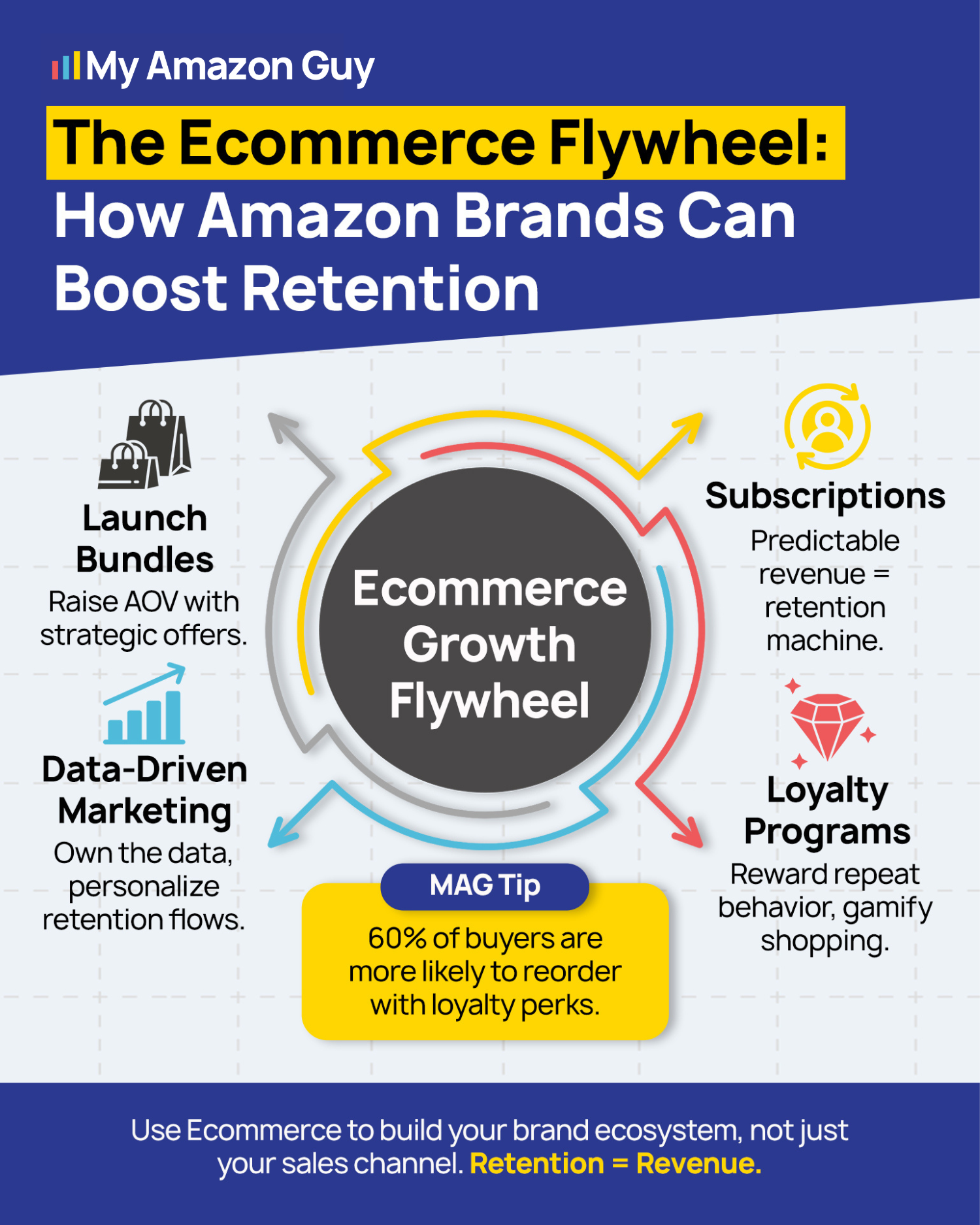
10. Subscription Models Drive Predictable Revenue
Subscription models are becoming a core growth strategy for e-commerce brands looking to build predictable revenue. Instead of relying on one-time purchases, sellers are creating ongoing relationships that keep customers coming back automatically.
As this model becomes more common, shoppers are growing comfortable with subscriptions across a wide range of products. Brands that offer flexible plans, clear value, and easy management will be better positioned for long-term stability and retention.
FAQs About the Future of E-commerce
What are the trending e-commerce products for 2026?
Products tied to convenience, personalization, sustainability, and recurring use are expected to perform well. Categories like consumables, tech accessories, eco-friendly goods, and subscription-ready products are gaining traction.
How can e-commerce sellers prepare for future trends?
Sellers should stay informed, test new tools early, and optimize their sites for mobile, AI-driven discovery, and customer experience. Preparing now helps avoid reactive changes that cost more time and money later.
Will e-commerce still be competitive in 2026?
Yes, competition will continue to increase as more brands sell online across multiple platforms. Sellers who adapt to new technologies and shopper expectations will have a stronger chance of standing out.
The Future of E-commerce: Preparing Your Business for What’s Next
Understanding the trends shaping the future of e-commerce is essential for sellers who want to stay ahead of the competition. By knowing what’s coming, brands can make smarter decisions about operations, marketing, and customer experience.
Being among the first to adapt to these trends gives sellers a clear advantage in capturing new opportunities and satisfying evolving consumer expectations. Early adopters can test strategies, refine offerings, and position themselves as leaders in their niche.
Are you ready to take your e-commerce business to the next level? Reach out to our full-service Amazon agency. We are more than experts on Amazon; we also help e-commerce brands optimize operations, boost sales, and prepare for the future.
Stay Ahead of E-commerce Trends
Learn how to prepare your online store for 2026 and beyond.