Have you noticed unfamiliar sellers jumping onto your listing or undercutting your price overnight? You may be dealing with Amazon rogue sellers who list without permission and chip away at your control.
Selling on Amazon is profitable, but it comes with nonstop friction that most brands never expect. One of the biggest headaches is rogue sellers on Amazon who disrupt pricing, steal the Buy Box, and damage customer trust.
Amazon has rolled out programs and enforcement tools to reduce this activity and protect both buyers and legitimate sellers. Still, these efforts are not foolproof, which is why rogue sellers can slip through and keep causing problems unless brands take action too.
In this guide, our Amazon agency explains what rogue sellers are and how they impact brands on the platform. We discuss how Amazon fights them and the strategies sellers can use to protect listings, pricing, and brand reputation.
Table of Contents
Take Control of Your Amazon Listings Again
We manage Brand Registry tools, enforcement workflows, and ongoing monitoring so rogue sellers don’t slip back in.
What Are Amazon Rogue Sellers
Amazon rogue sellers are unauthorized third-party sellers who list and sell a brand’s genuine products without permission. They operate outside official distribution channels, often buying products through clearance, liquidation, or other unofficial sources.
These sellers create problems for legitimate brands by undercutting prices, damaging the Buy Box, and creating inconsistent experiences for customers. Even though they sell real products, their actions can hurt brand reputation, confuse buyers, and reduce trust in the marketplace.
Rogue sellers often exploit loopholes in Amazon’s policies or manipulate reviews to gain an advantage. Brands can identify them by tracking unauthorized listings, unusual pricing patterns, or repeated violations of distribution and pricing rules.
How Does Amazon Combat Amazon Rogue Sellers
Although some sellers feel Amazon isn’t doing enough to stop rogue sellers, the company is known for prioritizing shoppers over sellers as a customer-centric platform. The truth is, Amazon has implemented multiple tools and programs to reduce rogue seller activity because it also affects the company’s marketplace integrity.
A. Amazon Brand Registry
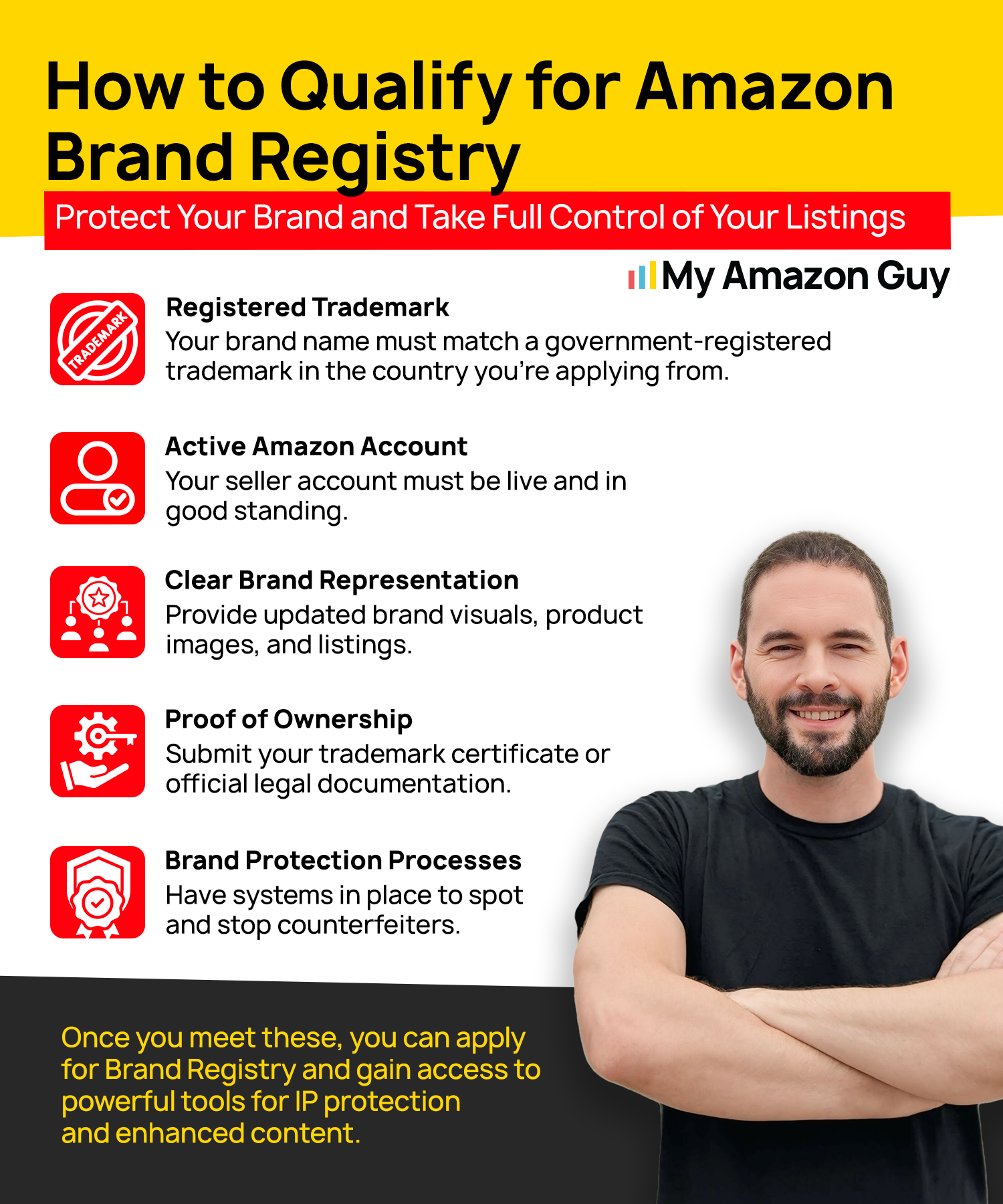
Launched in 2015, Brand Registry allows brands to register their intellectual property and gain access to protection features. It gives sellers the ability to control listings, enforce trademarks, and prevent unauthorized parties from hijacking their product pages.
B. Project Zero
Amazon introduced Project Zero in 2019, enabling brands to remove counterfeit listings proactively. This program also safeguards shoppers by ensuring that products sold meet the brand’s authenticity standards.
C. Transparency
Started in 2017, Transparency applies unique QR codes to individual products to verify authenticity at the unit level. By doing so, it blocks counterfeiters and helps both brands and buyers confirm that each product is genuine.
D. AI and Machine Learning
Every year, Amazon deploys AI systems to detect suspicious listings and prevent billions of counterfeit or unauthorized products from appearing. These systems help sellers maintain listing integrity while keeping customers safe from low-quality or fake items.
E. Seller Account Management
Amazon actively monitors accounts, flagging and banning sellers who repeatedly violate policies. Sharing this information with brands helps dismantle rogue seller networks and supports fair marketplace competition.
F. Reporting Tools
Through dedicated IP and policy reporting portals, brands can alert Amazon to unauthorized activity. This empowers sellers to act quickly to remove rogue listings and protect both revenue and customer trust.
G. Limitations to Enforcement
While Amazon enforces clear IP violations and fraud, disputes like Minimum Advertised Price (MAP) violations remain largely up to brands. Sellers must therefore monitor listings and enforce policies themselves to fully protect their brand.
Get a Full-Service Team That Fights for Your Brand
Our Amazon agency handles enforcement, listing control, and long-term strategy so you can focus on growth.
How Sellers Can Take Back Control from Amazon Rogue Sellers
No matter how much Amazon works to stop rogue sellers, some unauthorized activity will always slip through. Sellers need to take proactive measures on their end to protect listings, pricing, and brand reputation, and there are proven strategies to do so.
1. Use Amazon’s Brand Protection Tools
Enrolling in Brand Registry gives sellers advanced IP protections and tools to manage listings effectively. Project Zero and Transparency ensure only authentic products reach buyers, maintaining customer trust and brand integrity.
Brand gating restricts who can list your products, allowing only authorized sellers to participate. This prevents rogue sellers from gaining access to your listings and ensures a consistent customer experience.
2. Strengthen Distribution and Pricing Controls
Implementing strict MAP policies helps maintain price consistency and protects your revenue. Formal distribution agreements with authorized resellers reduce the risk of rogue sellers undercutting your listings.
Creating product bundles or small material differences in packaging makes unauthorized products easier to identify. These strategies also provide concrete proof when reporting violations to Amazon.
3. Monitor Listings and Market Activity Proactively
Use tracking software to watch listings, pricing, and Buy Box changes for unauthorized activity. Detecting rogue sellers early allows you to act before they impact sales or damage your brand.
Conduct regular test buys to verify product authenticity and document any differences. This evidence strengthens your case when reporting rogue sellers to Amazon.
4. Build a Case Trail of Evidence
Document every incident of rogue seller activity, including listing links, seller profiles, and shipping addresses. Keeping a detailed history helps Amazon see recurring patterns rather than one-off complaints.
Cite previous Case IDs when filing new reports to create a “trail” that reinforces the ongoing problem. Identifying common account names or addresses proves that the attacks come from the same source or coordinated group.
5. Execute Strategic Test Buys
Purchase products from suspected rogue sellers to confirm authenticity or highlight differences in packaging. This provides verifiable evidence for infringement claims and demonstrates poor customer experiences.
Document shipping times, lot numbers, and any discrepancies compared to your authentic products. These details help Amazon prioritize your reports and strengthen your removal requests.
6. Pursue Listing Locks for Repeat Offenders
Once you have documented evidence of recurring rogue seller activity, request that Amazon “lock” the listing. This prevents new unauthorized sellers from listing your product and protects your Buy Box.
File trademark infringement reports through Brand Registry and escalate when necessary. Referring to your case trail emphasizes the risk to customers and the recurring nature of the problem.
7. Combat Rogue ASINs and Duplicate Listings
Rogue sellers sometimes create entirely new listings to avoid detection on your main page. Monitor your brand store and report any duplicate ASINs for trademark and copyright infringement.
Linking these rogue listings back to your official store shows Amazon the intent to confuse customers. Quick reporting ensures these rogue ASINs are removed before they impact your sales.
8. Implement Legal and Verification Tactics
Send formal cease-and-desist letters when reporting alone isn’t enough. This can stop rogue sellers from repeatedly appearing while signaling that your brand enforces its rights.
Continue test buys even for seemingly authentic products to check for missing QR codes, outdated packaging, or other issues. This ensures your listings remain secure and authentic for shoppers.
9. Audit Distribution and Sourcing Channels
Review your supply chain to find potential leaks that rogue sellers exploit. Monitor wholesale and B2B orders to ensure large volumes aren’t being diverted for resale.
Track retail arbitrage by checking if discounted products from stores are ending up online. Tightening distribution agreements and adjusting discounts can reduce rogue sellers sourcing your products from these channels.
10. Maintain Product and Account Health
Ensure all products sold are authentic and high quality to prevent rogue sellers from exploiting complaints. Proper handling of returns and customer issues also protects account health and listing stability.
Respond quickly to customer complaints to maintain trust and minimize opportunities for rogue sellers to step in. Healthy listings make it harder for unauthorized sellers to profit from your brand’s reputation.
FAQs About Amazon Rogue Sellers
What are the sanctions for detected rogue sellers on Amazon?
Amazon can suspend or permanently ban accounts that violate IP, counterfeit, or fraud policies. Sellers may also lose access to the Buy Box and have all unauthorized listings removed to protect brands and customers.
How can I tell if a seller on my listing is a rogue seller?
Look for unauthorized listings, unusually low prices, repeated complaints, or sellers not registered in your distribution network. Patterns like multiple accounts with similar names or addresses can also indicate rogue activity.
Can Amazon remove rogue sellers if I report them?
Yes, Amazon will act on clear IP or policy violations, especially if you provide strong documentation like invoices or test buys. However, enforcement can take time, and sellers must actively monitor listings and submit evidence to increase success.
Taking Back Control from Amazon Rogue Sellers
Selling on Amazon is far from a walk in the park, as new challenges pop up almost every day. One of the biggest nightmares for sellers is dealing with rogue sellers who disrupt pricing, hijack listings, and damage brand reputation.
Since rogue sellers operate outside authorized channels, they can quietly steal revenue and erode customer trust if left unchecked. It’s important for sellers to use Amazon’s tools, monitor listings proactively, and implement strong brand protection strategies to stay ahead.
Need help protecting your brand and removing rogue sellers? Our full-service Amazon agency can help, with years of experience working with brands to stop unauthorized sellers, secure listings, and restore revenue from rogue activity.
Stop Rogue Sellers From Stealing Your Buy Box
Our team helps brands identify, report, and remove unauthorized sellers hurting pricing and customer trust.