
Are you thinking of selling shoes on Amazon? Shoes are one of the fastest-growing categories on the platform because demand stays consistent year-round and customers keep coming back for new styles.
For many Amazon sellers, finding the right niche can feel overwhelming since there are so many options, and competition can be fierce. Shoes, however, stand out as a strong category because they combine high demand with repeat purchase potential.
Still, many sellers hesitate to start selling shoes on Amazon because they’re unsure how to do it correctly. Following the right strategies and best practices can make all the difference in setting up a profitable shoe business.
This blog talks about how to sell shoes on Amazon successfully and maximize profits while minimizing returns. We also share best practices on product selection, listing optimization, pricing, and strategies to grow your footwear brand.
Table of Contents
Grow Your Amazon Footwear Brand
Take your shoe business to the next level with tailored strategies and hands-on support from our Amazon agency.
Why Selling Shoes on Amazon Is a Big Opportunity
Selling shoes on Amazon is a massive opportunity because footwear is one of the highest-volume categories on the platform. With nearly 74% of all footwear spending now happening online, Amazon gives sellers the tools to reach this growing market while addressing the biggest challenge in footwear: fit and comfort uncertainty.
Amazon’s investment in high-tech features like Virtual Try-On, 3D modeling, and Prime Try Before You Buy programs makes buying shoes online less risky for customers. These tools boost conversion rates, encourage multiple-size orders, and reduce buyer hesitation, giving sellers a clear advantage over other online marketplaces.
Beyond technology, Amazon dominates the online footwear market, capturing roughly 30–35% of U.S. sales, and attracts shoppers with high purchase intent. Combined with FBA logistics, brand protection tools, and financial incentives for new sellers, entering the shoe category on Amazon is both strategic and potentially highly profitable.
How to Sell Shoes on Amazon: Best Practices
Still, no matter how profitable the shoes category is, without the right strategy, you won’t maximize sales or build a strong brand. However, sellers can succeed by following proven methods and best practices designed specifically for footwear on Amazon.
1. Understand Amazon’s Policies
Selling shoes on Amazon requires strict adherence to both general seller rules and category-specific guidelines. All products must be new, authentic, and comply with federal, state, and local laws, as well as Amazon’s safety and intellectual property policies, to avoid account suspensions or listing removals.
Some brands are restricted and require approval before you can sell them, often needing invoices, letters of authorization, or clear product photos. Following Amazon’s listing, sizing, and image requirements ensures your shoes appear professionally on the platform while keeping your account in good standing.
2. Know Your Audience and Market Trends
Understanding your audience is the first step to selling shoes successfully on Amazon. Identify whether your customers are fashion-forward adults, parents buying for kids, or fitness enthusiasts, and tailor your product selection to their preferences.
At the same time, pay attention to market trends and seasonality using tools like Amazon Brand Analytics and the Movers & Shakers list. Offering shoes that are in demand and aligning with seasonal trends ensures your listings attract buyers and maximize conversions.
3. Conduct Thorough Product Research
Once you’ve chosen your niche, deep product research is crucial to ensure you offer shoes with strong demand. Explore social media platforms to spot trending styles and see what’s resonating with different customer groups.
Analyze your competitors by reviewing their product selection, pricing, and customer feedback to find gaps you can fill. Tools like Amazon’s Best Sellers and Product Opportunity Explorer provide data on top-performing items, search volume, and pricing trends, helping you make informed decisions and optimize your listings.
4. Source Your Shoes Strategically
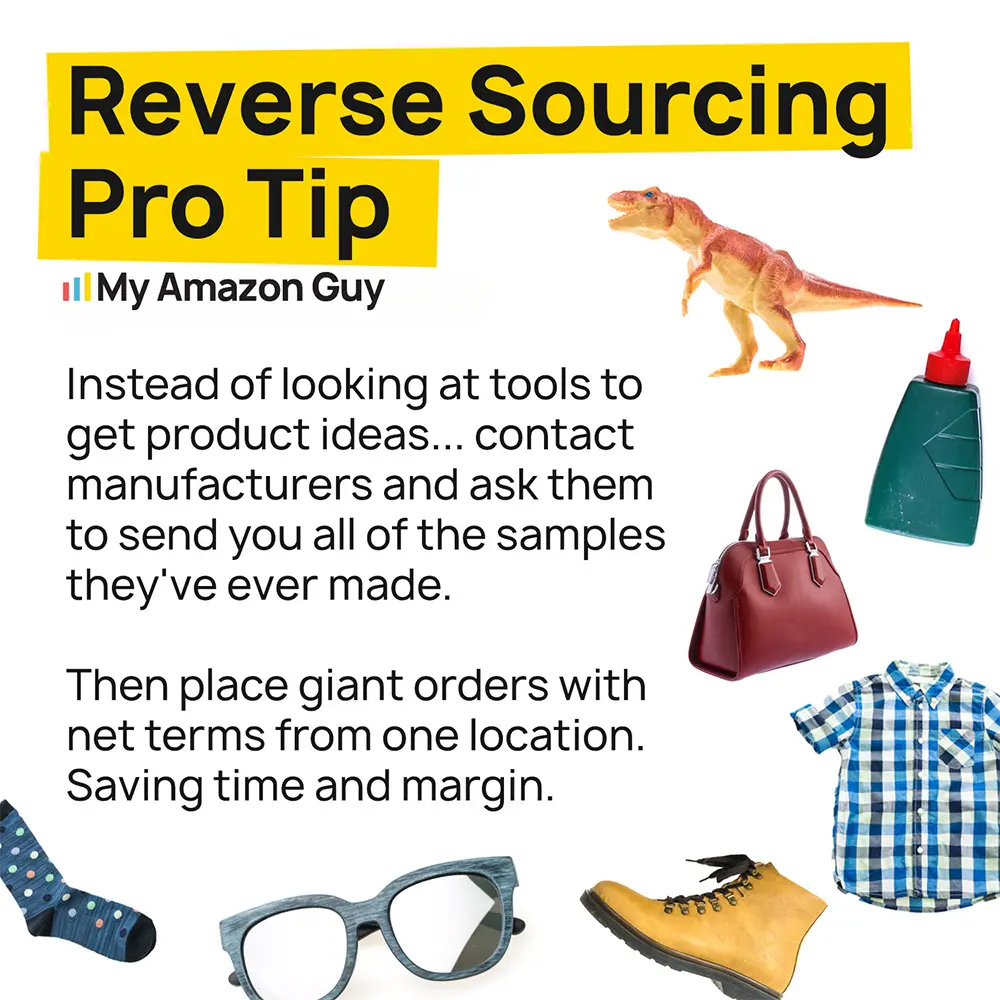
Once you’ve selected your niche and products, deciding how to source your shoes is the next critical step. You can partner with a manufacturer to create your own designs, purchase inventory from wholesalers or suppliers using platforms like Alibaba, or even sell custom, handcrafted shoes through Amazon Handmade to reach a wider audience.
When sourcing, focus on shoes with strong demand, good profit margins, and positive customer feedback. There are tools like SmartScout that can help identify popular products and analyze competitors, while reviewing customer reviews provides insight into the features and styles buyers actually want.
Maximize Your Amazon Profits
Don’t leave money on the table. Optimize your product selection, pricing, and listings with professional guidance.
5. Use High-Quality Images from Every Angle
High-quality product images are essential for giving shoppers a clear understanding of your shoes. Show the shoes from multiple angles (top, front, side, and back) on a plain white background to meet Amazon’s image requirements and ensure customers can see every detail.
Including lifestyle images with models helps buyers visualize wearing the shoes, but make sure the models reflect your target audience. When possible, show the shoes in real-world use, such as running, walking, or at the office, to boost confidence and reduce return rates.
6. Optimize Your Product Listings
Creating a clear and compelling product listing is essential for converting shoppers into buyers. Use descriptive language to highlight the materials, comfort, special technologies, and ideal use cases for your shoes, helping customers understand exactly what makes your product stand out.
Incorporate relevant keywords naturally in your title, bullet points, and description to improve search visibility. Use Amazon Brand Analytics or Jungle Scout to help you identify high-volume search terms and long-tail phrases, ensuring your listing reaches the right audience without keyword stuffing.
7. Provide Clear Sizing Information
Using standardized sizing and brand-specific size charts is essential to help customers pick the right shoe and reduce returns. Input sizes and widths separately, specify gender and age when needed, and follow Amazon’s drop-down menu formats to ensure your listings remain visible and accurate.
Upload detailed size charts in Seller Central and include fit guidance in your bullet points and descriptions, noting if shoes run larger or smaller than usual. For unisex styles, provide equivalent men’s and women’s sizes, and use the parent-child variation system to group all sizes under a single listing for a seamless shopping experience.
8. Price Your Shoes Strategically
Setting the right price goes beyond just matching competitors since it requires considering production costs, Amazon fees, and your desired profit margin. Research competitor pricing, but also identify gaps in the market where you can offer unique value or features that justify a premium.
When launching a new shoe product, consider using introductory pricing or limited-time promotions to attract attention and generate early sales. Tools like Amazon’s Product Opportunity Explorer can help you analyze search trends, average prices, and units sold to make data-driven pricing decisions.

Case Study: Turning a Struggling Footwear Brand into a Sales Powerhouse
One footwear brand struggled with high return rates, a fragmented catalog structure, and suppressed search visibility, making it difficult to scale sales and improve customer experience. Their inventory management was inefficient, and inconsistent pricing prevented them from winning the Buy Box consistently, creating barriers to growth.
By partnering with our Amazon agency, we conducted a full catalog audit, optimized listings, fixed parentage issues, and implemented a data-driven inventory and pricing strategy. We also enhanced keyword integration and ran targeted PPC campaigns to drive traffic and improve organic reach, addressing the brand’s major pain points.
The results were transformative, with the brand achieving a 291% revenue increase and a 169% boost in conversion rates. This case study demonstrates how strategic management and expert guidance can unlock true Amazon footwear brand growth, turning operational challenges into measurable success.
FAQs About Selling Shoes on Amazon
What are the requirements to sell shoes on Amazon?
You must have a Professional seller account and ensure all shoes are new, authentic, and comply with Amazon policies. Some brands are restricted and require approval with proper invoices or authorization letters.
How can I reduce returns when selling shoes on Amazon?
Provide accurate sizing information using Amazon’s standardized attributes and brand-specific size charts. Include fit guidance in bullet points and group all sizes under a single listing using parent-child variations.
How do I know which shoes will sell well on Amazon?
Research trending styles using tools like Amazon’s Movers & Shakers and Product Opportunity Explorer. Check competitor listings, seasonal demand, and customer reviews to identify high-demand products.
Maximize Your Success Selling Shoes on Amazon
Selling shoes on Amazon is a lucrative opportunity with high demand and growth potential, but poor execution can lead to low sales and high return rates. To succeed, you need to carefully select products, understand your audience, and follow proven strategies.
Following best practices ensures your shoes stand out and convert effectively. Combining these steps with thorough market research helps you capture more traffic, reduce returns, and improve overall profitability.
Having difficulty navigating Amazon’s footwear marketplace or managing your listings effectively? Reach out to our full-service Amazon agency for expert guidance and support to grow your shoe brand.
Boost Your Footwear Sales Today
Learn how to make your shoe listings stand out and attract the right customers. Our experts can help you implement proven strategies.