

After months of planning for Q4 and pushing hard through the holiday rush, it’s easy to think the hard part is over. That assumption is costly because the post-holiday period is where smart e-commerce brands protect profits and reset for growth using clear e-commerce post-holiday strategies.
Strategizing is part of running an e-commerce business, but many sellers stop once peak season ends. They assume slower traffic means fewer opportunities, when in reality it’s the best time to fix what broke during Q4.
When brands ignore this window, they miss opportunities to clear inventory, reduce returns, and retain first-time customers. That gap often leads to cash-flow strain, wasted ad spend, and stalled growth heading into Q1.
In this guide, we break down practical e-commerce post-holiday strategies that help e-commerce brands regain control after peak season. We’ll also show how planning now puts you in a stronger position before competitors even realize they’re falling behind.
Table of Contents
Post-Holiday Planning Starts Now
Waiting too long after peak season costs sellers momentum and profit. Work with a team that knows how to reset your business after Q4.
Why Having an E-commerce Post-Holiday Strategy Matters
For most e-commerce sellers, Q4 is the busiest time of the year, with sales often increasing by up to 70%. That’s why so much focus goes into preparing for the holiday rush, but what happens after it ends?
After Q4, operational challenges emerge quickly, from high return volumes to customer inquiries from first-time buyers. This period is also critical because online shoppers remain active and receptive to engagement, even as holiday hype fades.
E-commerce sellers who prepare can turn new shoppers into loyal customers, manage inventory effectively, and ensure a smooth start to the new year. Post-holiday strategies are essential for maintaining momentum and avoiding missteps.
8 E-commerce Post-Holiday Strategies to Build Momentum After Q4
There are proven post-holiday e-commerce strategies that help brands recover from Q4 challenges and set up a strong start to the new year. By following these steps, e-commerce sellers can optimize operations, retain customers, and maintain steady sales momentum.
1. Audit Q4 Performance
Planning for the post-holiday period is nearly impossible without a clear understanding of what happened during Q4. Auditing your performance data provides the insights needed to make informed decisions on inventory, marketing, and customer retention strategies.
Many sellers make the mistake of focusing only on total sales, but that number alone doesn’t tell the full story. You should also analyze metrics such as new vs returning customers, website traffic, and sales per product to determine what worked and what didn’t.
This data not only shows where your business succeeded, but it also highlights operational bottlenecks and potential areas for improvement. Using these insights allows you to refine your strategy, adjust your marketing, and plan for a smoother, more profitable Q1.
2. Handle Returns
During holiday periods, return rates surge significantly, with retailers often seeing nearly 18% of merchandise sent back for various reasons. This makes a solid return management plan essential to maintaining customer satisfaction and protecting your bottom line.
Sellers can manage returns effectively by offering easy exchanges, automated refunds, and extended return windows to accommodate post-holiday traffic. Providing clear instructions, offering free shipping for exchanges when possible, and processing orders quickly help customers feel valued while keeping operations smooth.
Analyzing return data is also critical for improving future inventory and marketing decisions. By understanding which products are returned most and why, sellers can reduce losses, improve customer experience, and turn returns into opportunities for loyalty and repeat purchases.
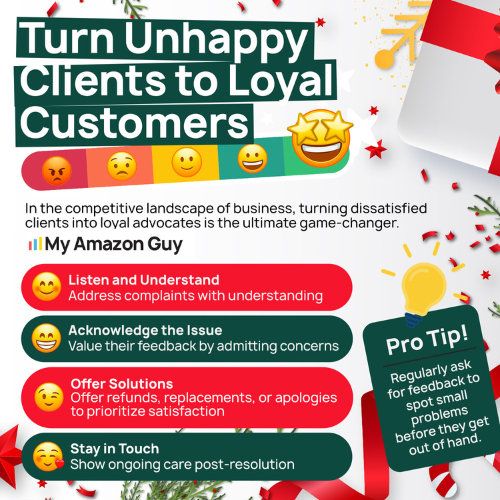
3. Pay Attention to Customer Complaints
Handling customer complaints promptly and professionally is crucial for turning post-holiday shoppers into loyal, repeat customers. Quick resolutions not only improve customer experience but also prevent negative reviews and lost revenue.
When a complaint arises, acknowledge the issue, thank the customer, and offer clear options to resolve it. Acting swiftly and following up afterward shows shoppers that their concerns are taken seriously and builds trust in your brand.
Training your team to manage common post-holiday issues, like returns, exchanges, and shipping inquiries, ensures consistency and efficiency. Adding a personal touch and requesting feedback afterward can strengthen relationships and encourage customers to return for future purchases.
4. Inventory Management
After the holidays, it’s essential to know which products have enough stock and which are overstocked from Q4 sales. By auditing inventory levels and tracking remaining stock, sellers can prevent stockouts, reduce excess, and plan for smoother operations.
Analyzing holiday sales data gives a clear picture of product demand, highlighting best-sellers, slow movers, and unexpected trends. This insight allows sellers to adjust replenishment plans, allocate resources efficiently, and avoid carrying unnecessary inventory into the new year.
Accurate inventory management streamlines return processing and ensures your records are correct. Leveraging data allows sellers to optimize operations, forecast demand, and prepare for sales fluctuations.
Stop Carrying Q4 Mistakes Into Q1
Overstock, stockouts, and poor forecasting can drag down your entire year if ignored. Our team helps fix post-holiday issues before they get expensive.
5. Update Ads and Visuals for Post-Holiday Season
During the holidays, most e-commerce sites use festive visuals and themed ads to create a seasonal shopping experience. Sometimes sellers forget to replace these elements with their standard branding, which can confuse customers and make the site feel outdated.
It’s important to revert holiday-specific website design updates, such as banners, logos, or color schemes, to your regular look. Leaving holiday visuals in place too long can reduce credibility and make shoppers feel disconnected from your brand.
Paid ads also require updates because holiday-focused keywords and imagery may no longer resonate with post-holiday buyers. Updating these campaigns ensures your messaging stays relevant, maximizes ad spend, and sets the stage for a strong start to the new year.
6. Continue Optimization & Marketing
Once Q4 ends, optimization and marketing shouldn’t stop, as post-holiday shoppers remain active and looking for relevant products. Retaining these customers is critical, and ongoing marketing helps turn seasonal buyers into loyal, repeat purchasers.
E-commerce sellers can leverage holiday data to understand shopping behavior, product preferences, and campaign performance. This information enables personalized messaging, an improved website experience, and better-targeted campaigns that keep shoppers engaged beyond peak season.
Maintaining a strong post-holiday strategy includes reviewing ads, refining email campaigns, and analyzing customer feedback. By continuing to optimize and market, sellers can sustain momentum, minimize post-holiday sales dips, and establish a strong foundation for Q1 growth.

7. Hold a Post-Holiday Clearance Sale
After the holidays, many customers may have missed out on products they wanted, and a clearance sale can bring them back. Offering discounts or limited-time deals encourages shoppers to make purchases while helping sellers move unsold inventory efficiently.
Holding a post-holiday sale is also a smart way to clear stock that may soon be replaced or become outdated. By doing this, sellers free up storage space and avoid carrying excess inventory into the new year.
Email marketing and targeted retargeting campaigns are effective channels for promoting these sales. Personalized messages to past shoppers can drive repeat purchases, increase revenue, and turn post-holiday traffic into loyal customers.
8. Plan Ahead for Q1
Once the post-holiday period ends, it’s crucial for sellers to start planning for Q1, which includes key events like Valentine’s Day, Lunar New Year, and other seasonal occasions. Proper preparation allows sellers to maximize revenue, optimize inventory, and engage customers during these early-year opportunities.
Analyzing Q4 performance provides insights into what worked and what didn’t, helping to shape Q1 strategies. Sellers can use this data to adjust budgets, prioritize high-ROI products, and improve operations to ensure smooth performance throughout the quarter.
Q1 planning also focuses on customer retention, with targeted campaigns, personalized follow-ups, and loyalty incentives. Streamlining logistics, refining forecasting, and repurposing marketing content help sellers start the year efficiently and leverage post-holiday momentum for these critical seasonal events.
Frequently Asked Questions
When should e-commerce sellers start preparing for post-holiday strategies?
Sellers should start planning even before Q4 begins, but the most critical actions happen immediately after the holiday season ends. This ensures smooth handling of returns, inventory, and customer engagement without losing momentum.
How can I manage high return volumes efficiently after the holidays?
Implement clear return policies, automate refunds when appropriate, and provide hassle-free exchanges. Leveraging order management systems and tracking return data can help streamline the process and reduce operational strain.
What’s the best way to retain customers after Q4?
Engage new holiday shoppers through personalized emails, loyalty programs, and targeted promotions. Following up on purchases and requesting feedback can turn one-time buyers into repeat customers.
Mastering E-Commerce Post-Holiday Strategies
Being prepared for the post-holiday period is just as important as planning for Q4 itself. Having a structured e-commerce post-holiday strategy ensures returns, inventory, and customer retention are handled efficiently.
Post-holiday strategies help sellers turn seasonal buyers into loyal customers and maintain momentum into the new year. Leveraging Q4 insights to optimize operations, marketing, and customer experience sets the foundation for long-term growth.
Are you struggling to manage returns, retain customers, or plan your post-holiday sales effectively? Contact our full-service Amazon agency. We’re more than an agency that helps Amazon sellers; we also offer comprehensive e-commerce solutions to grow your business.
Turn Post-Holiday Chaos Into Control
Struggling with returns, inventory overflow, or messy Q4 data? Get expert help to clean up operations and set your store up for a stronger Q1.