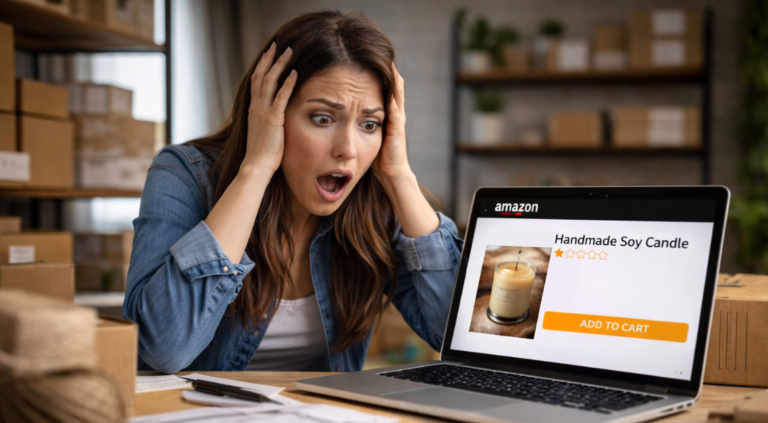
Amazon AI shopping tool backlash exposes flaws in automated ordering as small businesses report their products were listed without consent through the Buy for Me and Shop Direct programs.
Small businesses are raising alarms, with a recent count showing more than 500,000 products now available through the Amazon Buy for Me program. The Buy for Me and Shop Direct programs automatically pull items from third-party sites, sometimes creating orders for products that are out of stock or no longer sold.
This Amazon AI shopping tool backlash exposes flaws in automated ordering that leave merchants handling customer complaints and disrupting brand trust. Sellers say they have little control over listings and must scramble to manage errors created by Amazon’s AI.
Amazon AI Shopping Tool Backlash Exposes Risks in Automated Ordering
According to a CNBC article written by Annie Palmer, Amazon’s recent rollout of AI shopping tools on Amazon, including Amazon Shop Direct and Amazon Buy for Me, has sparked widespread concern among independent sellers. Many retailers report that their products were listed without permission, leading to unanticipated orders and operational challenges.
The Amazon AI shopping tool backlash exposes flaws in automated ordering that leave businesses scrambling to correct inaccurate listings and fulfill unexpected requests. An Amazon agency representative noted that while sellers can opt out, the programs continue to expand.
Retailers affected by the program have seen issues such as:
- Products listed that they never sold or that were out of stock
- Orders generated from AI without seller consent
- Increased customer service workload due to fulfillment errors
- Disruption to brand control and inventory management
Amazon claims these AI-driven services help shoppers find products not sold on its platform while generating incremental sales for merchants. However, the backlash underscores the tension between innovation and seller autonomy, revealing the potential risks of deploying AI shopping tools without clear safeguards.
Independent Retailers Face Challenges From Amazon AI Shopping Tool
Brands are upset that ‘Buy for Me’ is featuring their products on Amazon without permission By Allison Smith“A survey conducted by Bobo Design Studio found 145 brands reported their products were listed on Amazon without their consent, highlighting the widespread and unexpected impact of the Buy for Me program.”
The Amazon AI shopping tool backlash has highlighted problems with automated product listings on the platform. Many independent sellers discovered their catalogs were listed without consent through AI shopping tools on Amazon, creating confusion and unexpected orders.
Amazon’s Buy for Me feature allows purchases from third-party websites directly through Amazon, while Shop Direct sends shoppers to external brand sites. Merchants frustrated by unauthorized listings have emailed Amazon, asking, “Stop scraping my product listings”, to have their items removed.
Affected sellers reported issues including orders for out-of-stock items, mismatched product images, and automatic enrollment in programs without approval. These problems risk brand reputation, operational efficiency, and even the exposure of wholesale pricing to the public.
Although Amazon offers an opt-out process, many brands argue that they should not have been enrolled automatically. The backlash underscores the tension between innovation in e-commerce and maintaining control over a brand’s presence in the marketplace.
Unauthorized Listings Spotlight Reasons for Amazon AI Shopping Tool Backlash
The Amazon AI shopping tool backlash emerged after small businesses discovered their products were listed on Amazon without consent. Many sellers reported that the Amazon AI tool pulled product information, created AI-generated images, and routed orders to their websites, causing fulfillment and pricing issues.
Amazon’s Buy for Me feature uses Amazon agentic AI to complete purchases on a customer’s behalf, even if the product is not directly sold on Amazon. Based on Liz Morton’s Value Added Resource article, merchants report that these automated listings led to unexpected orders, customer confusion, and additional operational burdens for small businesses.
Affected sellers have struggled to remove their products from the program despite following Amazon’s opt-out instructions. Many have asked Amazon to stop scraping their product listings to regain control of their catalogs and prevent ongoing errors.
The rollout of AI shopping tools on Amazon highlights how automatic enrollment into the Buy for Me program can disrupt small businesses. Even after removal, lingering AI-modified listings and inaccurate product information continue to pose challenges for independent sellers.
Amazon AI Shopping Tool Sparks Backlash Over Retailer Consent
The Amazon AI shopping tool backlash is intensifying as independent retailers report their products are being listed without permission. Many sellers say the Amazon AI tool pulls product data from their own websites and displays it on Amazon, creating confusion for customers.
Amazon’s Buy for Me and Shop Direct programs rely on Amazon agentic AI to either complete purchases on the platform or redirect buyers to the retailer’s site. This has led to mislabelled products, incorrect pricing, and orders being fulfilled by merchants without their consent, placing the burden of returns and complaints on small businesses.
Small retailers deliberately avoiding Amazon to protect their brand reputation and pricing now find their catalogues appearing automatically. The automated listings reduce control for merchants and raise concerns about trust and transparency in how AI-driven features are implemented.
- Products are pulled directly from retailer websites without prior consent
- Purchases can be completed on Amazon or redirected to merchant sites
- Fulfillment errors and customer complaints often fall to independent sellers
- Merchants can technically opt out, but awareness and execution remain inconsistent
Amazon Under Fire For Listing Retailers’ Products Without Permission By Joe Gallop“Some deliberately avoid Amazon to protect their brand, pricing, and customer relationships but are now finding their catalogues appearing there anyway.”