
Thinking about selling on Amazon but unsure where to find reliable suppliers? Sourcing from Alibaba for Amazon sellers provides access to affordable manufacturers and customizable products, making it an effective way to create a standout brand.
Finding the right products is a crucial step in building a successful Amazon business since it directly impacts your profits and customer satisfaction. That’s why sellers need to approach sourcing strategically and understand the platform before committing to orders.
One of the most popular destinations for Amazon sellers is Alibaba because it connects you with thousands of manufacturers around the world. However, for sellers unfamiliar with how Alibaba works, the process can be overwhelming, leading many to give up before they even get started.
In this guide, our Amazon agency shows Amazon sellers how to source products from Alibaba effectively while avoiding common mistakes that can hurt profits. We also share best practices for vetting suppliers, managing logistics, and ensuring FBA compliance to maximize success.
Table of Contents
Fix Your Alibaba Sourcing Strategy
Stop guessing and let our team guide your product sourcing from start to finish.
What Is Alibaba?
Alibaba is a massive global B2B marketplace that connects businesses with manufacturers and wholesalers around the world. Founded in 1999 by Jack Ma, it offers sellers access to over 200,000 suppliers, making it one of the largest sourcing platforms available.
Unlike Amazon, which primarily sells products directly to consumers, Alibaba acts as a middleman, helping sellers find manufacturers for bulk orders. This setup allows Amazon sellers to negotiate directly with suppliers, customize products, and create private-label brands at competitive prices.
For Amazon sellers, Alibaba is often the go-to platform for sourcing products efficiently and scaling their business. By browsing thousands of product listings and verified suppliers, sellers can find everything from electronics to clothing while managing production and shipping logistics with confidence.
Pros of Sourcing from Alibaba for Amazon Sellers
Let’s be honest: over 70% of the products sold by wholesalers and retailers on Amazon are produced in China, and Alibaba is one of the main platforms that makes this possible. It offers Amazon sellers many advantages, which is why so many rely on it as their primary sourcing source.
- Cut out middlemen to secure the lowest unit costs and maximize profit margins.
- Customize products, packaging, and features to build a unique private-label brand.
- Trade Assurance protects your payments until you confirm shipment and quality.
- Many suppliers follow Amazon FBA rules for labeling, packaging, and shipping.
- Access millions of products to test niches, bundle items, and expand inventory.
- Negotiate prices based on volume or long-term partnerships to grow efficiently.
Cons of Sourcing from Alibaba for Amazon Sellers
Although Alibaba is a well-established platform for sourcing products, there are some drawbacks sellers should know. Understanding these risks helps Amazon sellers decide if the advantages outweigh the potential challenges.
- Product quality can vary, and mass-produced orders may not match the initial sample.
- Sourcing products that infringe on patents or trademarks can get your Amazon listing suspended.
- Long lead times and fluctuating shipping costs can create stock shortages and cut into profits.
- Language and cultural differences can lead to misunderstandings about specifications or quality.
- Many suppliers require large minimum orders, tying up significant upfront capital.
- Returning damaged or unsellable products is often costly or impractical, leaving the seller to absorb the loss.
Common Mistakes Sellers Make When Sourcing from Alibaba
When done right, sourcing from Alibaba for Amazon can help sellers scale quickly and maximize profits. However, mistakes in this process can turn it into a costly nightmare, so sellers should know the common pitfalls to avoid unexpected issues.
1. Skipping Product Samples
Some sellers assume the product photos on Alibaba reflect real quality. Without testing a sample first, they risk receiving subpar goods that hurt sales and reviews.
2. Ignoring Total Landed Costs
Focusing only on the Alibaba unit price can be misleading. Shipping, customs, duties, and tariffs can significantly reduce profits if not accounted for.
3. Trusting the Lowest Price Blindly
Choosing the cheapest supplier often means compromising on quality. Sellers may face higher defect rates or unreliable production.
4. Paying Outside Trade Assurance
Sending money directly to a supplier bypasses Alibaba’s protection. If the supplier fails to deliver, the seller has no recourse to recover funds.
5. Poor Communication of Specifications
Vague instructions like “make it high quality” lead to misinterpretation. The supplier may cut corners or use the cheapest materials available.
6. Assuming MOQ is Fixed
Many sellers think the listed minimum order quantity cannot change. Failing to negotiate can lead to overstocking or unnecessary upfront costs.
7. Failing to Verify Suppliers
Some suppliers are trading companies posing as factories, or have poor reliability. Sellers risk delays, inconsistent quality, or dealing with fraudulent businesses.
8. Not Confirming FBA Compliance
There are suppliers who don’t understand Amazon’s FBA rules for labeling, packaging, or barcoding. Products may be rejected at fulfillment centers, causing delays and extra costs.
9. Relying on Supplier Certificates Without Verification
Certificates like CE, FDA, or UL may be falsified. Sellers can face Amazon account suspension or destroyed inventory if the documentation is invalid.
10. Focusing on Product Photos Over Supplier Capability
Many sellers judge a supplier solely on current catalog images. Even if the product looks perfect, the factory may lack the capacity or machinery to replicate it consistently.
Turn Alibaba Products Into Profits
We help Amazon sellers vet suppliers, inspect products, and protect margins.
How to Effectively Source from Alibaba for Amazon Sellers
Getting products from Alibaba can be a game-changer, but with the right strategy and best practices, it can be highly profitable and low-risk. Knowing how to approach sourcing strategically ensures you avoid common pitfalls and maximize your chances of success.
1. Use a Double-Pronged Search Approach
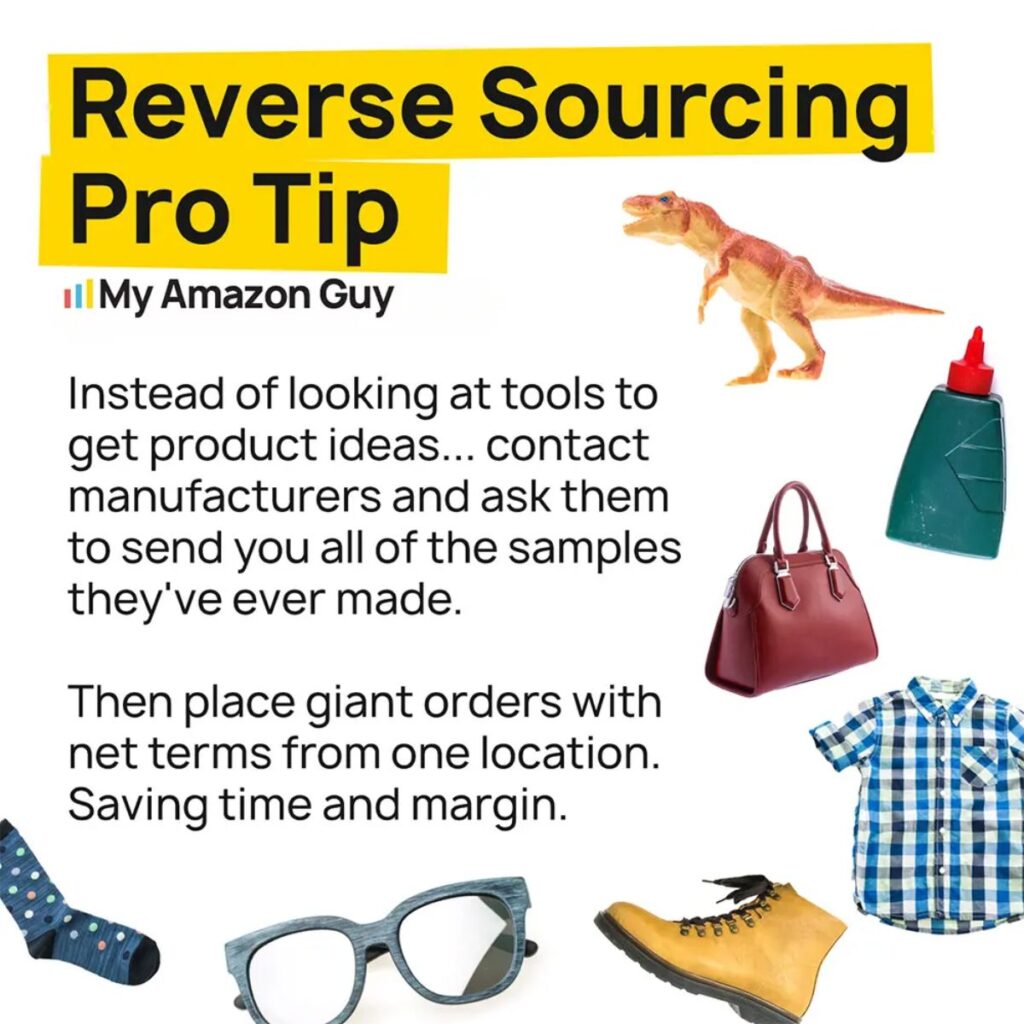
Don’t rely on just one way to find a manufacturer. Combine manual searches with RFQs (Request for Quotation) to reach more suppliers and get competitive pricing.
2. Filter for Trusted Suppliers
Use Alibaba’s Verified Supplier, Trade Assurance, and Gold Supplier filters. These indicators help weed out unreliable suppliers before you engage in discussions.
3. Evaluate Supplier Potential Over Product Images
Don’t dismiss a supplier just because their catalog photos aren’t perfect. Look for factories that have the machinery and expertise to customize products to your needs.
4. Build Guanxi (Relationship Capital)
Treat suppliers as long-term partners, not one-time vendors. Professional communication and demonstrating serious intent encourage better pricing and attention.
5. Keep Communication on Alibaba
Avoid moving conversations to other channels too early. Staying on-platform protects your history and ensures Trade Assurance covers your transactions.
6. Order and Compare High-Quality Samples
The sample is the best indicator of production quality. If a sample has defects, the mass order is likely to be worse, so always compare multiple options.
7. Request DDP Shipping
Ask suppliers to handle Delivered Duty Paid (DDP) shipments. This simplifies logistics by covering taxes, duties, and door-to-door delivery directly to Amazon or your warehouse.
8. Conduct Competitive Forensics
Study top competitors and their reviews to identify common product flaws. Share these insights with suppliers to ensure your product addresses market gaps effectively.
9. Split Payments and Inspect Before Final Payment
Never pay 100% upfront. Use a 30/70 split and hire a third-party inspection agency to verify that mass production matches your sample before releasing the balance.
10. Test and Iterate Small Batches
Launch small quantities first to validate your product in the market. This allows you to gather real customer feedback and adjust production without risking massive capital.
FAQs About Sourcing from Alibaba for Amazon
How do I know if an Alibaba supplier is legit?
Check for Verified Supplier and Gold Supplier status, and review Trade Assurance coverage. Also, inspect factory photos, certifications, and past transaction history to confirm credibility.
Will Alibaba return my money if I get scammed?
Yes, if you pay through Trade Assurance, Alibaba holds your funds and releases them only after confirming shipment and product quality. Payments made outside this system have no protection.
Do Alibaba suppliers follow Amazon FBA requirements?
Many experienced suppliers understand FBA labeling, packaging, and pallet requirements. Always confirm before placing an order to ensure your shipment meets Amazon’s standards.
Turn Alibaba Products into Amazon Profits
Sourcing can make or break your Amazon business, and knowing where to find high-quality products at competitive prices is key to boosting profit margins. For Amazon sellers, Alibaba is one of the best platforms because it offers direct access to manufacturers, private-label options, and a massive product variety.
However, sourcing from Alibaba comes with risks like quality inconsistencies, IP issues, and long lead times. Understanding these challenges and following best practices ensures your investment is protected and your business scales efficiently.
Are you ready to source smarter and maximize profits? Contact our full-service Amazon agency and let our experts guide you through Alibaba sourcing to secure top-quality products and streamline your FBA operations.
Build a Profitable Private Label Brand
From supplier vetting to launch strategy, we manage the process the right way.