
Are you planning to sell sports equipment on Amazon? There are unique challenges and opportunities that come with this category, so it’s important to understand them before you start.
You can find almost anything on Amazon because it has become a marketplace where every type of product has a home. This makes it both exciting and overwhelming for sellers who aren’t sure how to position their sports equipment effectively.
However, selling sports equipment on Amazon comes with both competition and compliance requirements. Learning about these factors will help you make smarter decisions and avoid costly mistakes.
This guide will walk you through the key steps to sell sports equipment on Amazon successfully. It also shares strategies to help your listings stand out, protect your brand, and grow sales over time.
Table of Contents
Boost Your Sales on Amazon
Learn how to optimize listings, reduce returns, and reach more high-intent buyers.
Why Selling Sports Equipment on Amazon Is a Big Opportunity
Selling sports and outdoor equipment on Amazon is appealing because it gives sellers direct access to millions of high-intent shoppers actively searching for fitness and recreational products. As one of the largest online marketplaces, Amazon attracts over 2 billion visits each month, creating steady demand across multiple sports categories.
The sports equipment market continues to grow as more consumers invest in health and fitness, making both mainstream and niche products viable year-round. Amazon also makes it easier to reach individual buyers, gyms, and fitness centers, opening the door to higher-margin sales and scalable growth.
What Are the Challenges in Selling Sports Equipment on Amazon
Selling sports equipment on Amazon can be a strong business move, but it comes with challenges that can catch sellers off guard. Understanding these issues upfront helps sellers know what they’re getting into and what to expect as they scale.
1. High Logistics and Storage Costs
Many sports products are bulky, heavy, or oddly shaped, which drives up shipping and fulfillment fees. Oversized and long-term storage charges can quickly eat into margins if products don’t move fast.
2. Seasonality and Inventory Risks
Demand for sports equipment often spikes during specific seasons and drops sharply afterward. Poor forecasting can lead to stockouts during peak periods or excess inventory that becomes expensive to hold.
3. Intense Competition From Established Brands
Major sports brands dominate search results and advertising placements across most subcategories. New or lesser-known sellers often struggle to gain visibility without competing on price or spending heavily on ads.
4. High Return Rates and Product Condition Issues
Many sports items involve fit, comfort, or performance expectations that lead to frequent returns. Returned equipment is often used or damaged, making it unsellable and resulting in lost inventory value.
5. Strict Compliance and Safety Requirements
Sports equipment frequently falls under safety-related categories that require certifications and documentation. Missing or incorrect compliance details can lead to listing suppression or account-level consequences.
Stand Out Among Major Sports Brands
Build trust with lifestyle images, social proof, and targeted advertising strategies.
How to Sell Sports Equipment on Amazon Effectively
There are ways for sellers to stay competitive and profitable as a sports equipment brand on Amazon despite the challenges. While there is no one-size-fits-all approach, following proven best practices helps you position your products more clearly and reduce costly mistakes.
1. Choose a Clear Sports Niche and Target the Right Buyer
Sports buyers are not all the same, and trying to sell to everyone usually leads to weak conversions. Defining whether your product is for beginners, serious athletes, home gym users, or outdoor enthusiasts helps shape every part of your listing.
When your messaging matches your target audience, shoppers understand immediately if the product is right for them. This clarity reduces hesitation and increases the likelihood of purchase.
2. Build Listings Around How the Equipment Is Actually Used
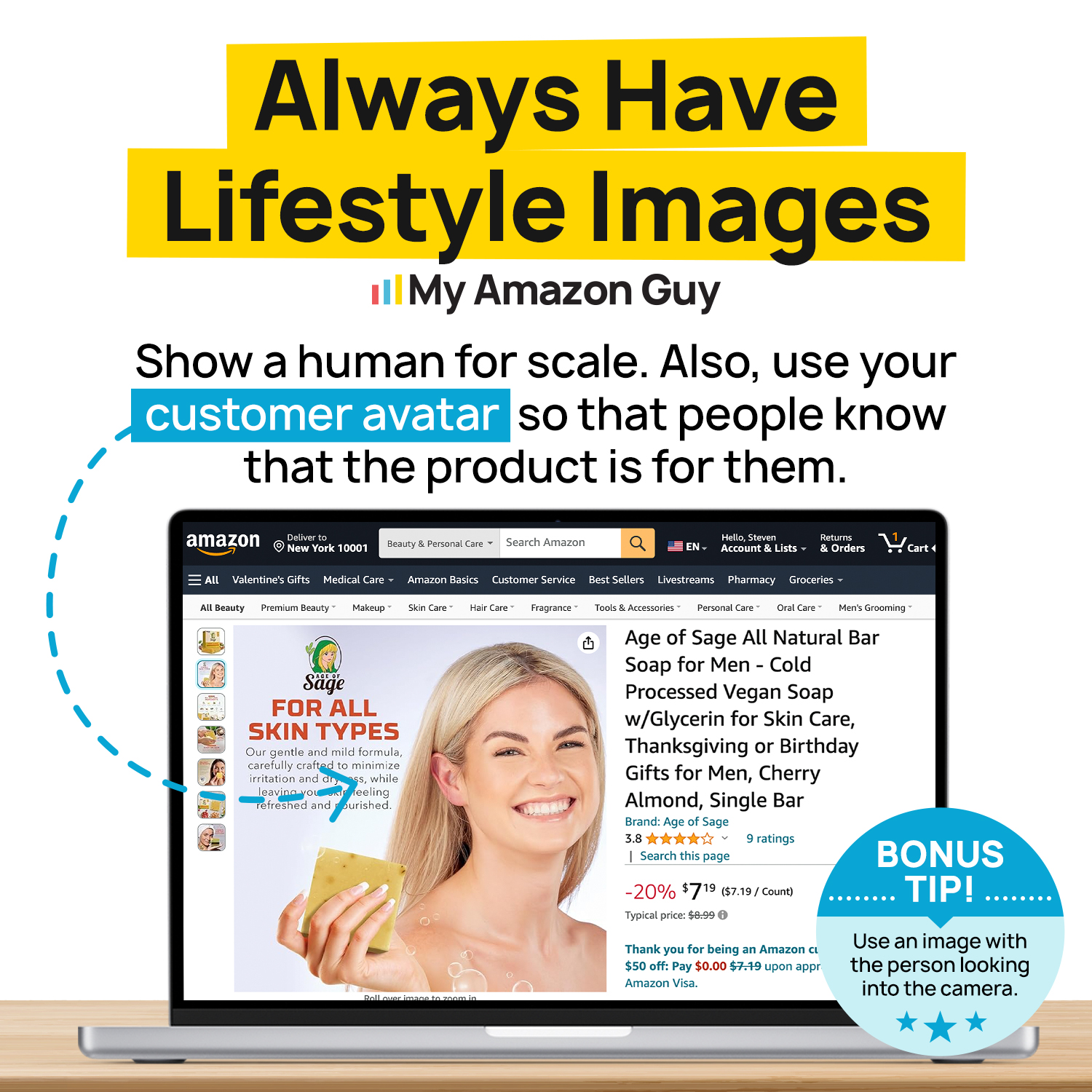
Sports shoppers want to see how a product fits into their routine, not just what it looks like in a studio shot. Lifestyle images that show real usage help buyers visualize the product in everyday situations.
Showing correct form, proper setup, and real scenarios builds confidence and sets clear expectations. Before-and-after images can also reinforce the benefit the buyer is working toward.
3. Plan Fulfillment and Storage With Margins in Mind
Many sports products are large, heavy, or oddly shaped, which directly impacts fees. Sellers who ignore fulfillment strategy often see profits shrink even when sales increase.
Storage timelines, packaging choices, and shipping methods all affect long-term costs. Poor planning here can quietly drain cash and stall growth.
4. Reduce Returns by Setting Expectations Upfront
Returns in sports equipment are often caused by confusion, improper use, or fit issues. When buyers don’t fully understand what they’re getting, they’re more likely to send it back.
Clear instructions, usage visuals, and sizing guidance help buyers make informed decisions. This reduces frustration and prevents unnecessary returns.
5. Build Trust With Branding and Social Proof
Sports equipment is tied to performance and safety, so trust plays a major role in buying decisions. Shoppers are less willing to gamble on products that feel generic or unproven.
Consistent branding, detailed content, and early reviews help establish credibility. Without these signals, even well-priced products can struggle to gain traction.
Amazon Strategy for Fitness Brand Case Study: Oceanfoam
Oceanfoam, a premium foam roller company, is one sports equipment brand that successfully scaled on Amazon. By partnering with our Amazon agency, they implemented a full Amazon strategy for fitness brands that tackled inventory, compliance, and listing challenges simultaneously.
Before working with our team, Oceanfoam struggled with recurring stockouts, broken listings, and inefficient ad spend, which stalled sales and limited visibility. Within the first 90 days of executing our strategies, sales reached $30,000, and by month six, they hit a $100,000 milestone.
Optimized listings, premium A+ content, and strategic inventory management helped Oceanfoam break into the top 50 search rankings with a 4.8-star average rating. With over 100 customer reviews and a fully improved catalog structure, the brand now enjoys consistent growth and high customer satisfaction, showcasing the impact of a targeted Amazon strategy.
FAQs About Selling Sports Equipment on Amazon
What sports equipment can I sell on Amazon?
You can sell most fitness and outdoor products, including gym accessories, wearable gear, and recreational equipment. Items must comply with Amazon’s category rules and safety regulations before listing.
What are the requirements for selling sports equipment on Amazon?
Many products require category approval, safety certifications, and accurate product documentation. Amazon also enforces listing standards and may suppress non-compliant or high-risk items.
How can I handle bulky or oversized sports equipment on Amazon?
Consider using Fulfillment by Amazon for smaller, fast-moving items, and explore third-party logistics (3PL) for oversized or heavy products. Proper packaging and inventory planning help reduce storage fees and shipping costs.
How do I get my sports equipment noticed among major brands?
Target long-tail keywords and create listings that show real-life use and results for buyers. Lifestyle images, videos, and early reviews help build trust and improve visibility in search results.
What are the top-selling sports equipment products on Amazon?
Popular items include yoga mats, resistance bands, dumbbells, foam rollers, and home gym machines. Seasonal products like skis, snowboards, and outdoor gear also see spikes in demand.
Wrapping Up Your Sports Equipment Success on Amazon
Amazon is one of the best marketplaces for fitness and sports brands because it offers access to millions of active shoppers, built-in advertising tools, and reliable fulfillment options. These advantages make it possible to scale quickly and reach both niche and mainstream audiences with the right strategy.
That said, selling sports equipment on Amazon comes with challenges like seasonal demand, bulky inventory, and intense competition. Being prepared with best practices, optimized listings, and effective logistics is essential to protect margins and maintain steady growth.
Struggling to grow and manage your sports brand on Amazon? Reach out to our full-service Amazon agency and let our team of experts handle listing optimization, advertising, and fulfillment so you can focus on scaling your business.
Turn Your Sports Products Into Top Sellers
Fix listings, ads, and inventory issues that are holding your catalog back.