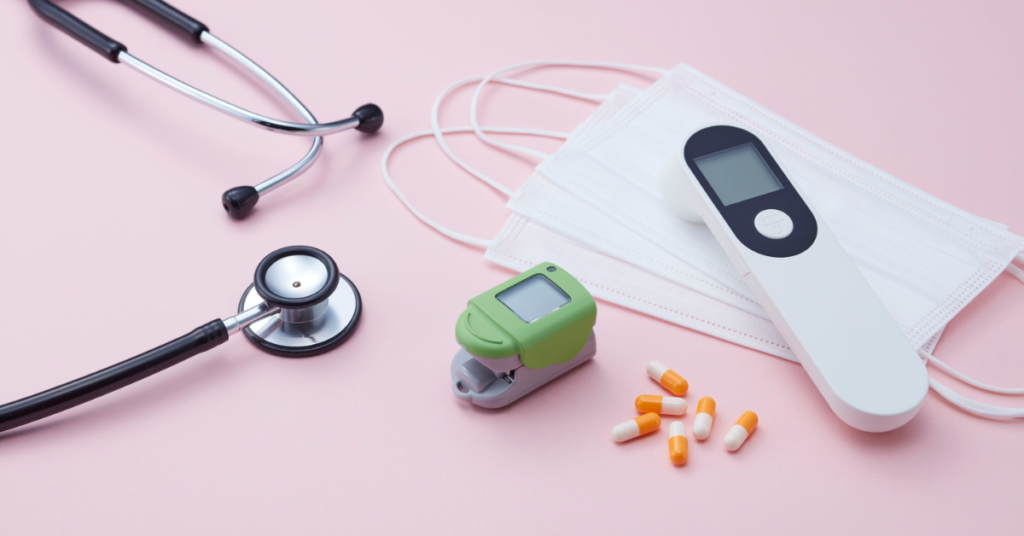
Challenges in selling medical supplies on Amazon are real and can quickly overwhelm sellers who think it’s just another product category. Bringing a medical brand to Amazon may seem like a smart move, but the hurdles involved can slow growth and eat into profits.
The demand for healthcare products is steady, which is why many sellers try to enter this space to secure consistent revenue. Amazon’s massive marketplace makes it tempting to reach millions of potential buyers, but visibility does not guarantee success.
Once sellers attempt to break into the medical supplies category, they face rules and requirements that other product types never encounter. Approval processes, strict documentation, and safety standards create a unique set of obstacles that require specialized knowledge.
This blog talks about the major challenges in selling medical supplies on Amazon. Our Amazon agency also shares strategies here that sellers can use to protect listings, stay compliant, and build a smoother operation.
Table of Contents
Need Help With Amazon Medical Brand?
Our full-service agency has experience improving traffic, conversions, and profitability for medical brands.
Why Selling Medical Supplies on Amazon Needs a Different Strategy
Amazon has strict policies that protect more than 315 million Amazon shoppers, and medical supplies are held to even higher standards. Selling these products is not just about moving inventory; it requires following complex regulations and building trust with buyers who expect safe and authentic products.
Sellers of medical supplies face challenges that general retail products do not. They must get approvals for gated categories, meet strict labeling and documentation rules, and provide accurate product information while positioning their brand for both individual consumers and institutional buyers.
Challenges in Selling Medical Supplies on Amazon
Medical brands face challenges on Amazon that general retail products never experience. These obstacles are one of the main reasons why selling medical supplies requires specialized knowledge, but they also create higher stakes for errors and missteps.
1. Strict Regulatory Rules
Healthcare products face intense scrutiny from regulators like the FDA, requiring detailed documentation and constant compliance. Sellers risk listing removals or account warnings if any step is missed.
2. Product Restrictions
Many medical items are banned or heavily restricted on Amazon, including certain test kits, mercury thermometers, and products making unverified claims. This limits the product range sellers can legally and safely offer.
3. Inventory Management
Tracking expiration dates, recalls, and stock levels is more complex than for general goods. Mismanagement can lead to wasted inventory, stockouts, or compliance violations.
4. Logistics Complexity
Medical supplies may require temperature control, specialized packaging, or precise handling through FBA or FBM channels. Any mistakes in logistics can compromise product safety and lead to customer complaints.
5. Specialized Staff Requirements
Managing Amazon listings for medical supplies demands expertise in both compliance and e-commerce operations. Many companies struggle because they lack staff trained to handle these dual responsibilities.
6. High Competition
The market is crowded with other sellers and major brands, often resulting in price wars. New sellers find it hard to gain visibility and maintain profitability.
7. Building Trust
Earning reviews and credibility is harder for medical products because buyers are cautious about safety and authenticity. Low trust can lead to poor conversion rates even for high-quality products.
8. Amazon Policies and Listing Rules
Amazon’s rules are constantly changing, from listing requirements to account restrictions. Non-compliance, even by mistake, can lead to suppressed listings or account suspensions.
9. Profitability Challenges
High startup costs, complex compliance requirements, and intense competition can delay or reduce profits. Many sellers underestimate the investment needed to succeed in this category.
10. Data and System Integration
Coordinating inventory, sales, and supplier data across multiple systems is crucial but difficult. Poor data integration can create operational inefficiencies and mistakes that hurt both compliance and sales.
Maximize Your Medical Brand’s Potential
Use proven strategies to turn first-time buyers into repeat customers and grow your brand on Amazon.
Strategies to Implement When Selling Medical Supplies on Amazon
Good news: there are strategies sellers can implement to overcome the challenges of selling medical supplies on Amazon. With the right approach, you can protect your listings, gain customer trust, and maintain growth even in this highly regulated category.
1. Shift Focus from Single Sale to Customer Lifetime Value
Instead of only focusing on the profit from a single sale, sellers should calculate the Lifetime Value of each customer. By investing in future purchases and encouraging repurchasing, brands can turn first-time buyers into repeat customers, offsetting initial high marketing costs.
To implement this, sellers can offer bundles, reorder reminders, or subscribe-and-save options to increase repurchase rates. Tracking customer data and behavior also helps optimize campaigns for long-term profitability rather than short-term gains.
2. Bypass Ad Restrictions with External Traffic and Organic Ranking
When Amazon ads are limited or listings are suppressed, make a way for potential customers to still see you by using external traffic. Driving traffic from email campaigns, social media, and other channels helps maintain sales momentum and boosts organic ranking without relying solely on Amazon PPC.
Sellers can build an email list targeting their ideal customer avatar and use it to funnel buyers directly to their Amazon listings. Maintaining consistent traffic through multiple off-Amazon channels also reduces dependency on volatile ad campaigns.
3. Maximize On-Page Optimization
Optimizing product listings for search and conversion is essential for visibility and sales. Using high-quality images, clear bullet points, and A+ content ensures potential buyers understand the product and trust the brand.
Sellers should integrate exact and broad match keywords strategically while negating irrelevant terms. Proper keyword placement in titles, descriptions, and image alt text improves search rankings and ensures listings are discovered by the right audience.
4. Ensure Strict and Proactive Compliance
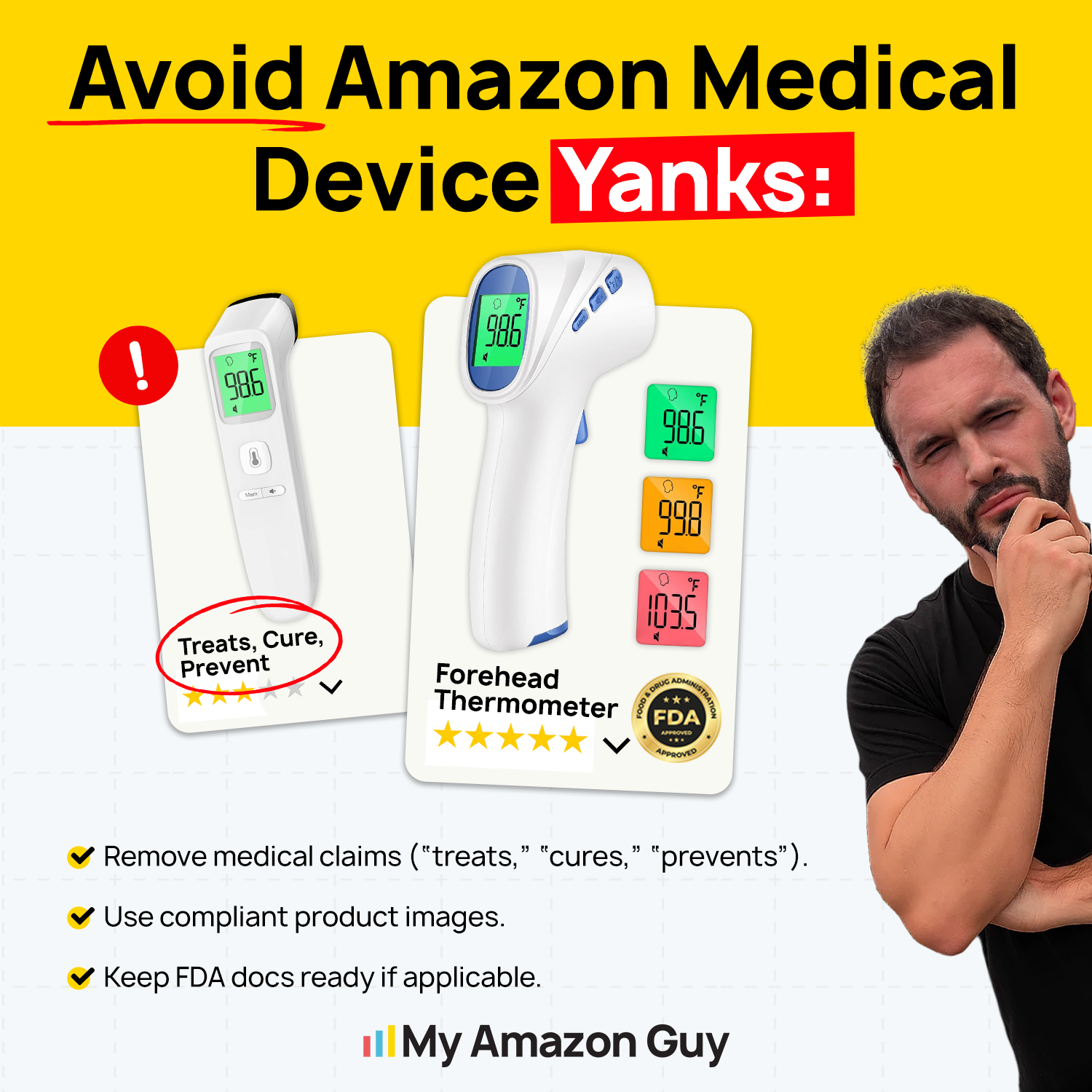
Compliance is non-negotiable in the medical supplies category. Following FDA regulations, Amazon policies, and third-party verification requirements prevents listing suppression and protects the brand’s reputation.
Sellers can upload all necessary documentation, monitor account health, and avoid unverified claims to stay compliant. Regular audits of listings and packaging help catch potential violations before they escalate into account problems.
5. Build Trust Through Reviews and Engagement
Earning customer trust is more difficult with medical products, but essential for sales. Authentic reviews and timely engagement with customer questions or concerns establish credibility and reduce skepticism about safety and efficacy.
Sellers should encourage honest feedback and respond professionally to both positive and negative reviews. Providing clear product instructions, fast customer support, and consistent quality also reinforces reliability and encourages repeat purchases.
6. Implement Smart Pricing Strategies
Price plays a key role, but drastic fluctuations can trigger listing removal. Sellers need to carefully test price adjustments to boost sales without alerting Amazon’s system or hurting margins.
Using incremental price changes, dynamic repricing software, or temporary promotions allows sellers to generate volume while remaining compliant. Monitoring competitors and adjusting pricing based on market conditions ensures sustained competitiveness.
7. Focus on Specialized Branding and Messaging
Differentiating your medical brand is critical in a crowded market. Clear branding and messaging tailored to specific buyers, like clinics or individual patients, helps the product stand out and builds authority in a sensitive category.
Sellers can create A+ content, lifestyle images, and clear product descriptions that highlight benefits and proper use. This approach ensures buyers feel confident in the product and increases conversion rates.
8. Maintain Rigorous Inventory and Logistics Management
Medical supplies often have expiration dates, temperature requirements, or recall risks, making logistics complex. Poor inventory management can lead to wasted products, stockouts, or compliance violations.
Sellers should track batches carefully, separate stock by expiry, and coordinate with FBA or FBM fulfillment teams to maintain proper handling. Regular audits and forecasting help prevent operational issues and maintain smooth supply chain performance.
Case Study: How DDS Inc. Boosted Sales with an Amazon Medical Brand Profitability Strategy
Disc Disease Solutions (DDS Inc.) offers innovative neck, back, and knee braces designed to improve daily life for people with chronic pain. Even though they had been selling on Amazon for years, high advertising costs and low traffic were limiting their profitability and growth.
Working with our Amazon agency, DDS Inc. implemented an Amazon Medical Brand Profitability Strategy that focused on smarter PPC campaigns and listing optimization. By adjusting bid strategies, improving product images, and targeting high-performing keywords, they were able to reach more shoppers and increase engagement on their listings.
The results were dramatic: DDS Inc. saw a 53% increase in units sold daily, a 59% increase in overall sales, and an 11% decrease in ACoS. These improvements show how a structured profitability strategy tailored for medical brands can create long-lasting growth on Amazon, even in competitive categories.
FAQs About Selling Medical Supplies on Amazon
What are the requirements to sell medical supplies on Amazon?
Sellers must comply with FDA regulations, provide proper documentation, and follow Amazon’s restricted product rules. Certain products, like prescription devices, require participation in Amazon’s Professional Healthcare Program.
How much are the fees to sell medical supplies on Amazon?
Amazon charges a referral fee, usually between 8%–15% depending on the product category, plus a $39.99/month professional selling plan if you sell many units. Using FBA adds fulfillment and storage fees, and medical products may have extra operational costs for compliance and specialized handling.
What are the top-selling medical suppplies on Amazon?
Popular items include braces, mobility aids, first aid kits, blood pressure monitors, and personal protective equipment (PPE). Products that are safe, effective, and well-reviewed tend to outperform competitors.
The Truth About Selling Medical Supplies on Amazon
Selling on Amazon is never a simple walk in the park, even for those who sell general products. For medical supplies, it’s a completely different level because you face strict regulations, high stakes for compliance, and challenges that most other categories don’t encounter.
This is why having a structured strategy for these unique products is critical to success. By implementing the strategies in this guide, sellers can navigate Amazon’s complexities, protect their listings, and increase both sales and customer trust.
Are you trying to sell medical supplies on Amazon but finding it difficult to manage? Contact our full-service Amazon agency; we have years of experience helping brands overcome regulatory, operational, and marketing challenges to succeed on the platform.
Struggling to Sell Medical Supplies on Amazon?
Learn how to navigate compliance, boost visibility, and increase sales with expert guidance.