
Still unsure where to take your brand next? Choosing from the top e-commerce marketplaces can feel overwhelming when every platform promises growth but plays by different rules.
Selling online can be a huge win for your business because it puts your products in front of buyers who are already ready to spend. That said, selling on the wrong platform and setting it up poorly can drain margins fast and stall growth.
The first real step to winning in e-commerce is picking the right marketplace for your brand and product mix. That’s harder than it sounds when fees, competition, policies, and traffic quality vary so much from one platform to the next.
This blog breaks down the top e-commerce marketplaces where brands can sell successfully, comparing Amazon, Walmart, eBay, Etsy, and social commerce options. Our Amazon agency also talks about how sellers can leverage marketplace tools, reach their target audience, and scale their business efficiently.
Table of Contents
Start Selling on Amazon Today
Reach millions of buyers and scale your brand with the right marketplace strategy.
Top E-commerce Marketplaces That Brands Can Choose From
There are plenty of e-commerce platforms brands can sell on, and each one comes with its own rules, costs, and buyer behavior. Depending on your goals and how well you understand the pros and cons, choosing the right marketplace can either fuel growth or quietly hold your brand back.
1. Amazon
Amazon started in 1994 as an online bookstore and has grown into the world’s largest e-commerce marketplace. Today, it connects millions of sellers with a massive global customer base, offering products across nearly every category.
Through Amazon, sellers can reach millions of buyers while benefiting from the platform’s trust, fulfillment services, and analytics tools. Its hybrid model allows both Amazon’s own inventory and third-party seller products to coexist on the same marketplace, giving brands unmatched visibility.
Advantages of Selling on Amazon
- Reach millions of buyers worldwide, including high-intent shoppers.
- Benefit from Amazon’s reputation for secure transactions and fast delivery.
- Sellers can let Amazon handle packing and shipping, saving time.
- Products fulfilled by Amazon often qualify for Prime shipping, attracting more buyers.
- International reach without managing overseas logistics.
Disadvantages of Selling on Amazon
- Standing out is tough amongst over 9 million sellers.
- Fees for sales, FBA, and shipping can cut into margins.
- Customers often associate purchases with Amazon, not your brand.
- Policies change frequently, which can affect listings and sales.
- Limited access to customer data makes repeat business harder.
2. Walmart Marketplace
Walmart Marketplace is one of the fastest-growing e-commerce platforms in the U.S., with over 200,000 active sellers as of mid-2025. It allows brands to sell products online while leveraging Walmart’s trusted reputation and massive customer base.
The platform offers sellers access to millions of online and in-store shoppers, along with fulfillment tools to simplify operations. Walmart’s rapid growth and investments in tech make it an attractive alternative for brands looking to diversify beyond Amazon.
Advantages of Selling on Walmart Marketplace
- Less crowded than Amazon, making it easier to get noticed.
- Only pay a referral fee on sales, no monthly subscription.
- Tap into millions of online shoppers and Walmart store visitors.
- Walmart Fulfillment Services can handle shipping and customer support.
- Built-in tools simplify inventory, analytics, and order management.
Disadvantages of Selling on Walmart Marketplace
- “Everyday Low Price” rules can squeeze margins.
- Seller approval is selective, which can slow onboarding.
- Still fewer shoppers than Amazon, which can limit sales.
- Limited promotional options compared to Amazon or social platforms.
- Algorithm changes or system updates can affect listing visibility.
3. eBay
eBay evolved from an online auction site into a global marketplace serving businesses, brands, and individuals in over 190 countries. Its auction and fixed-price options give sellers flexibility, while international shipping and seller tools make reaching global buyers straightforward.
eBay attracts buyers looking for everything from collectibles and used goods to brand-new products. It’s ideal for testing products, selling niche items, or selling globally without a standalone store.
Advantages of Selling on eBay Marketplace
- Instant access to millions of buyers in more than 190 countries.
- Simple listing tools to start selling quickly.
- Use auctions or fixed-price listings depending on your strategy.
- Shipping assistance, seller protection, and dispute resolution streamline operations.
- Long-standing reputation encourages buyer trust.
Disadvantages of Selling on eBay Marketplace
- Harder to create a strong, distinct brand identity.
- High competition can drive prices down quickly.
- Fees for listings, final value, and promotions reduce margins.
- The algorithm determines visibility and can change without notice.
- Buyer-favored dispute and return policies can complicate sales.
Optimize Your Marketplace Strategy
Make smarter decisions on fees, fulfillment, and competition to maximize growth.
4. Etsy
Etsy caters to sellers of handmade, vintage, craft, and digital products like planners or templates. It’s built for niche and creative goods, attracting buyers actively seeking unique, personalized items.
Although Etsy is focused on creativity and niche products, selling on this marketplace comes with a bunch of benefits, which is why so many artisans, small businesses, and hobbyists use it.
Advantages of Selling on Etsy
- Connect with a supportive seller community to learn and grow.
- Access millions of buyers actively searching for unique items.
- Quick store setup without technical knowledge or high upfront costs.
- Tools for managing international shipping simplify global sales.
- Built-in marketing tools like Etsy Ads, coupons, and SEO features boost visibility.
Disadvantages of Selling on Etsy
- Listing, transaction, and promotional fees can cut into profits.
- Millions of sellers make standing out a challenge.
- Limited store customization restricts brand-building opportunities.
- Search algorithm updates can change visibility unexpectedly.
- Strict rules and sudden account actions can disrupt business.
5. Social Commerce Platforms
With over 90% of internet users on social media, platforms like Instagram, TikTok, and Facebook have evolved into full-fledged marketplaces. Social commerce lets sellers reach highly engaged audiences and sell products directly within the app.
These platforms excel at discovery-driven, impulse shopping through visual content, live streams, shoppable posts, and influencer-led storefronts. Unlike traditional marketplaces, social commerce thrives on trends, interaction, and audience engagement.
Advantages of Selling on Social Commerce Platforms
- Engage directly with customers through comments, messages, and live events.
- Reach billions of users worldwide and target precise audiences.
- Lower advertising costs compared to traditional marketing channels.
- Real-time feedback on products and audience preferences.
- In-app purchasing reduces friction and boosts conversions.
Disadvantages of Selling on Social Commerce Platforms
- Public complaints or low ratings can harm a reputation quickly.
- Saturation and high competition make it hard to stand out.
- Algorithm changes can dramatically affect visibility and sales.
- Requires consistent content creation and community management.
- Tracking exact ROI from social commerce sales can be difficult.
How to Choose the Best E-commerce Marketplace for Your Brand
Selecting the right marketplace starts with understanding your products, goals, and audience. Niche items, mass-market goods, or trend-driven products may perform better on certain platforms than others.
Look at fees, fulfillment options, competition, and marketing tools. Even a platform with massive traffic may not align with your business model or margins.
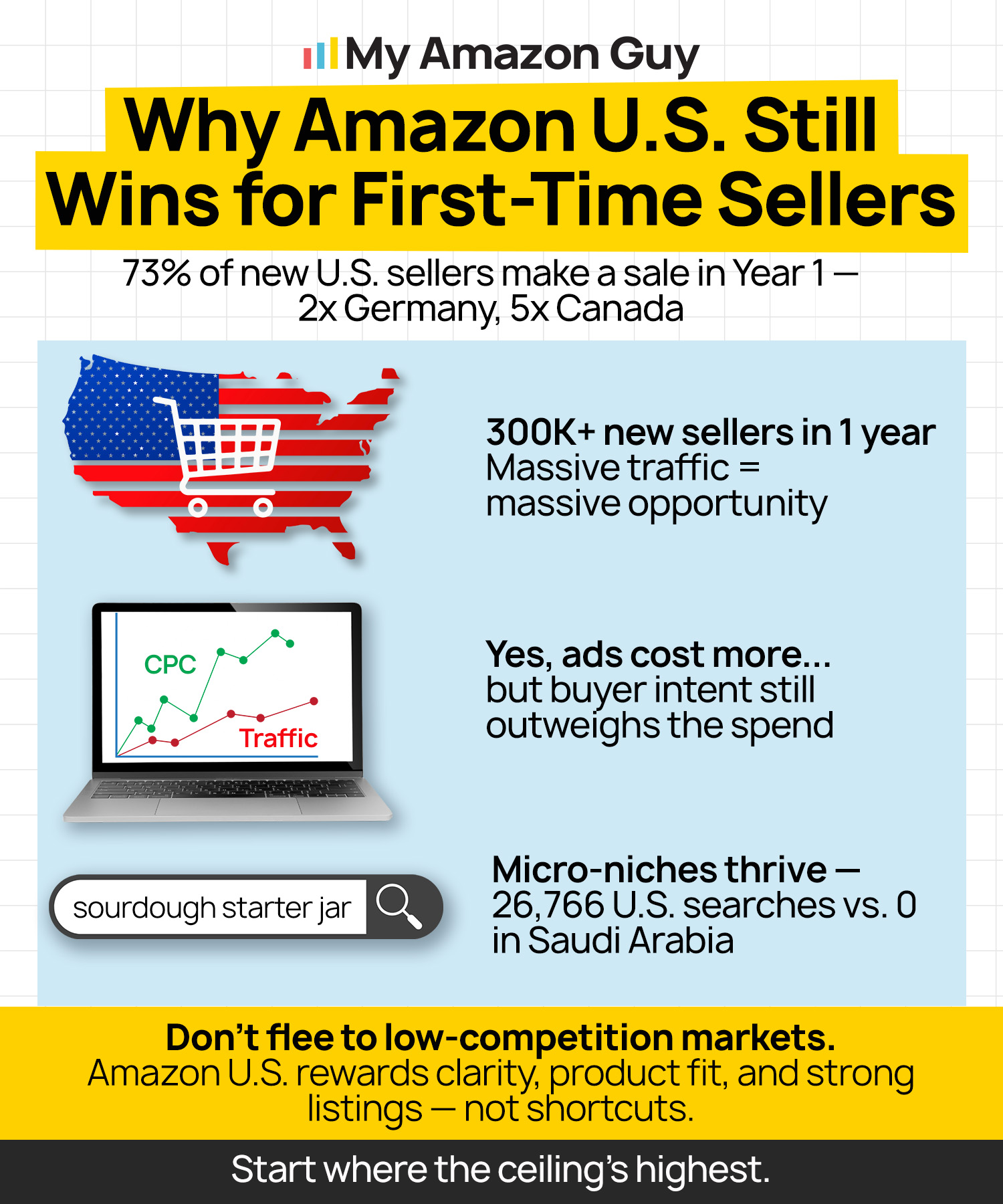
For most sellers, Amazon offers the broadest reach and scalability, but navigating its fees, fulfillment, and rules can be complex. Working with an experienced Amazon agency can help launch, optimize, and scale your brand efficiently.
Frequently Asked Questions
Which e-commerce marketplace is best for new sellers?
For most new sellers, Amazon is the top choice due to its massive reach and built-in fulfillment options. Niche platforms like Etsy or social commerce may work better for unique or handmade products.
Can I sell on multiple marketplaces at the same time?
Yes, but managing listings, inventory, and fulfillment across platforms can get complicated. It’s best to start with one or two marketplaces that fit your product and audience, then expand.
How do I know if social commerce is right for my brand?
Social commerce works best for trend-driven or visual products that appeal to impulse buyers. If your products need strong discovery and engagement, platforms like TikTok Shop or Instagram Shopping are ideal.
Find the Marketplace That Moves Your Brand Forward
Finding the right e-commerce marketplace can make or break your growth strategy. Selecting a platform that fits your products, audience, and business model ensures you can sell efficiently and scale without unnecessary roadblocks.
Understanding fees, fulfillment options, competition, and audience reach matters before committing to any marketplace. The right platform lets you focus on driving sales and building your brand instead of troubleshooting preventable challenges.
Do you need help launching and scaling your brand on Amazon while avoiding costly mistakes? Contact our full-service Amazon agency and let our team help you out!
Expand Beyond One Platform
Diversify your sales by choosing marketplaces that fit your products and audience.