
Amazon delivery service is now the standard that customers expect, with 74% of online shoppers demanding delivery within two days. Behind every fast shipment is a massive logistics network that most sellers don’t fully understand.
Amazon didn’t start with its own vans, planes, or last-mile infrastructure to get products to customers. As Prime grew and order volumes skyrocketed, outside carriers struggled to keep up with the demand for one- and two-day shipping.
That pressure pushed Amazon to take control and build its own delivery network, transforming it into a logistics powerhouse. Today, millions of packages move daily through Amazon’s planes, trucks, and thousands of drivers, changing the rules of ecommerce shipping.
This blog explains how Amazon became a delivery powerhouse and what that means for FBA and FBM sellers. Our Amazon agency will also break down how these changes impact your costs, performance metrics, and long-term growth strategy.
Table of Contents
Simplify Your Amazon Logistics Operations
We provide support to manage inventory, prep, and fulfillment so your products move faster.
How Did Amazon Become a Delivery Service Provider
Amazon did not even begin as the everything store people know today. It started in 1994 as a small online bookstore selling paperbacks out of a garage before expanding into a marketplace that now offers products across nearly every category.
For years, Amazon focused on sourcing products and storing them in warehouses while major carriers handled final delivery. This early version of the Amazon delivery service relied heavily on UPS, FedEx, and USPS to bring packages to customers’ doors.
The turning point came when order volume surged, and outside carriers struggled to keep up, especially during peak holiday seasons. To protect the customer experience and reduce dependency, Amazon began building its own logistics arm through programs like Amazon Logistics, Amazon Flex, Amazon Air, and the Delivery Service Partner network.
Over time, the Amazon delivery service evolved into a fully integrated system that controls planes, sort centers, technology, and last-mile vans. What began as a retailer outsourcing shipping is now one of the largest delivery networks in the United States, handling the majority of its own packages.
What Amazon Becoming a Delivery Service Provider Means for Sellers
Because of how Amazon built its own delivery network, sellers now have access to faster shipping and a larger customer reach than ever before. But that is not the only reason why the Amazon delivery service changes the way sellers manage inventory, costs, and performance metrics.
1. Faster Delivery Boosts Sales
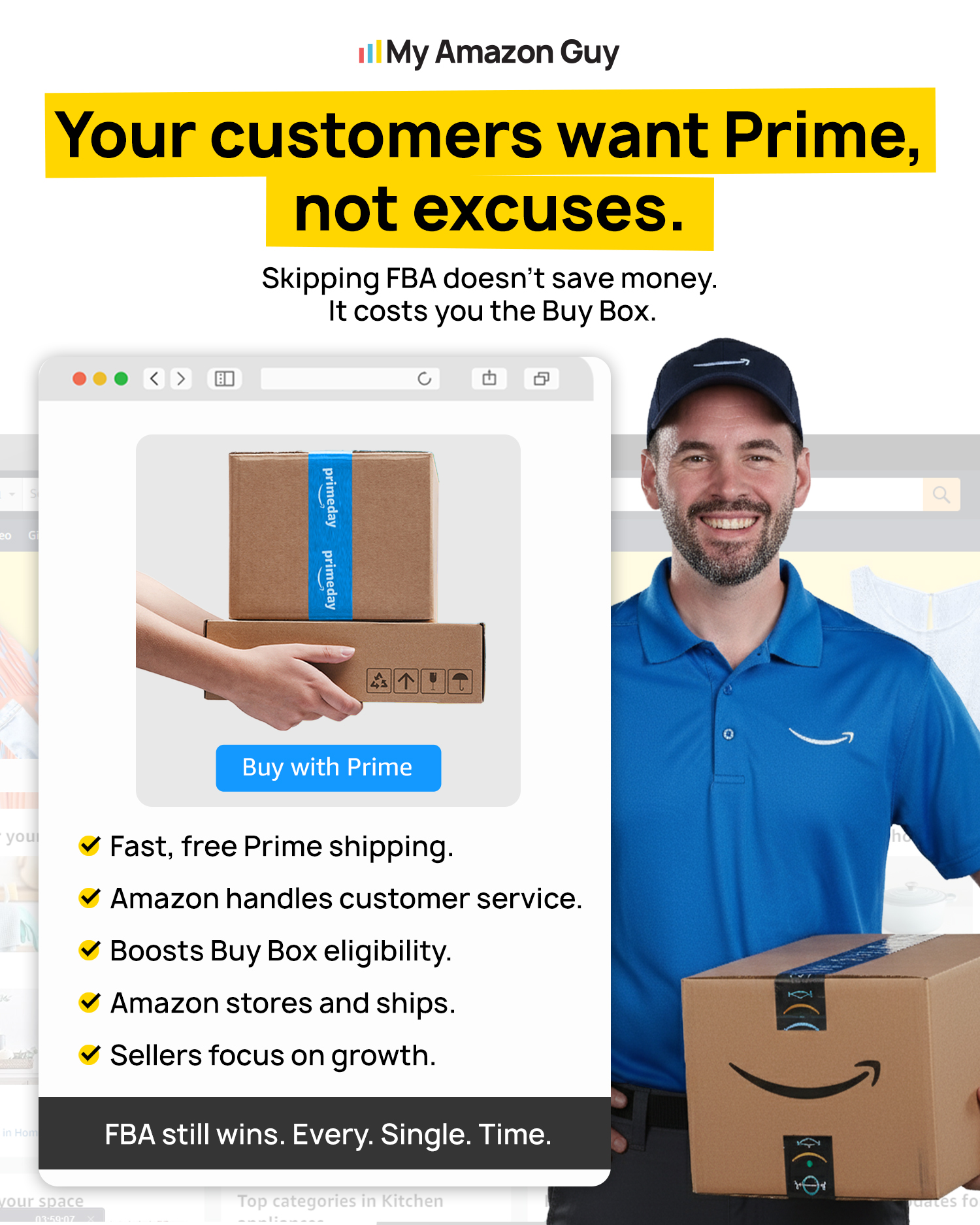
Using Amazon delivery service allows sellers to offer 1- or 2-day delivery, which significantly improves conversion rates. Products available for Prime-speed shipping often sell 20-30% faster than slower alternatives.
2. Increased Operational Dependence
Sellers rely heavily on Amazon for logistics, from shipping to inventory placement. This means control over fulfillment is now in Amazon’s hands, making it harder to bypass the network without losing competitiveness.
3. Higher and More Complex Fees
FBA and related services charge fees based on weight, dimensions, storage duration, and peak seasons. These costs can vary quickly, which can squeeze profit margins if not carefully managed.
4. Stricter Performance Metrics
Amazon monitors On-Time Delivery Rates and valid tracking metrics closely. Missing these targets can suppress the Buy Box or even lead to account suspensions for FBM sellers.
5. Inventory Management Challenges
Sellers must track warehouse limits and plan shipments precisely to avoid stockouts or overstock penalties. Delays in inventory check-ins at fulfillment centers can lead to lost sales and additional storage fees.
6. Multi-Channel Fulfillment Opportunities
Through Multi-Channel Fulfillment, sellers can use Amazon delivery service to fulfill orders from their own websites or other marketplaces. This allows them to provide reliable, fast shipping outside of Amazon.com.
7. Automation Through Supply Chain by Amazon
Sellers can automate inventory replenishment and shipping directly from manufacturers to fulfillment centers. This reduces manual effort but requires accurate forecasting and planning to avoid penalties or delays.
8. Competitive Pressure Intensifies
With Amazon controlling the delivery experience, sellers are competing not only on price but also on speed and reliability. Falling behind in logistics performance can directly impact visibility, conversions, and overall growth potential.
Expand Sales Beyond Amazon Easily
Use our expertise to implement MCF for fast, reliable shipping across other platforms.
How Can Sellers Win Using Amazon Delivery Service
Since Amazon evolved into a full-scale delivery service provider, sellers have had to adjust their strategies to make the most of faster shipping, broader reach, and automated logistics. By following these proven approaches, sellers can adapt and implement processes that improve conversions, reduce costs, and protect margins.
1. Use FBA for Speed
Using FBA allows sellers to offer 1-2 day delivery, giving them access to the Prime badge and higher visibility. Faster shipping not only boosts conversion rates but also improves Buy Box eligibility, helping sellers win more sales automatically.
Sellers should ensure inventory is distributed across multiple fulfillment centers to maximize speed and reduce stockouts. When FBA is paired with accurate forecasting, this can create a consistent, reliable experience that customers trust.
2. Optimize Inventory with AWD Auto-Replenish
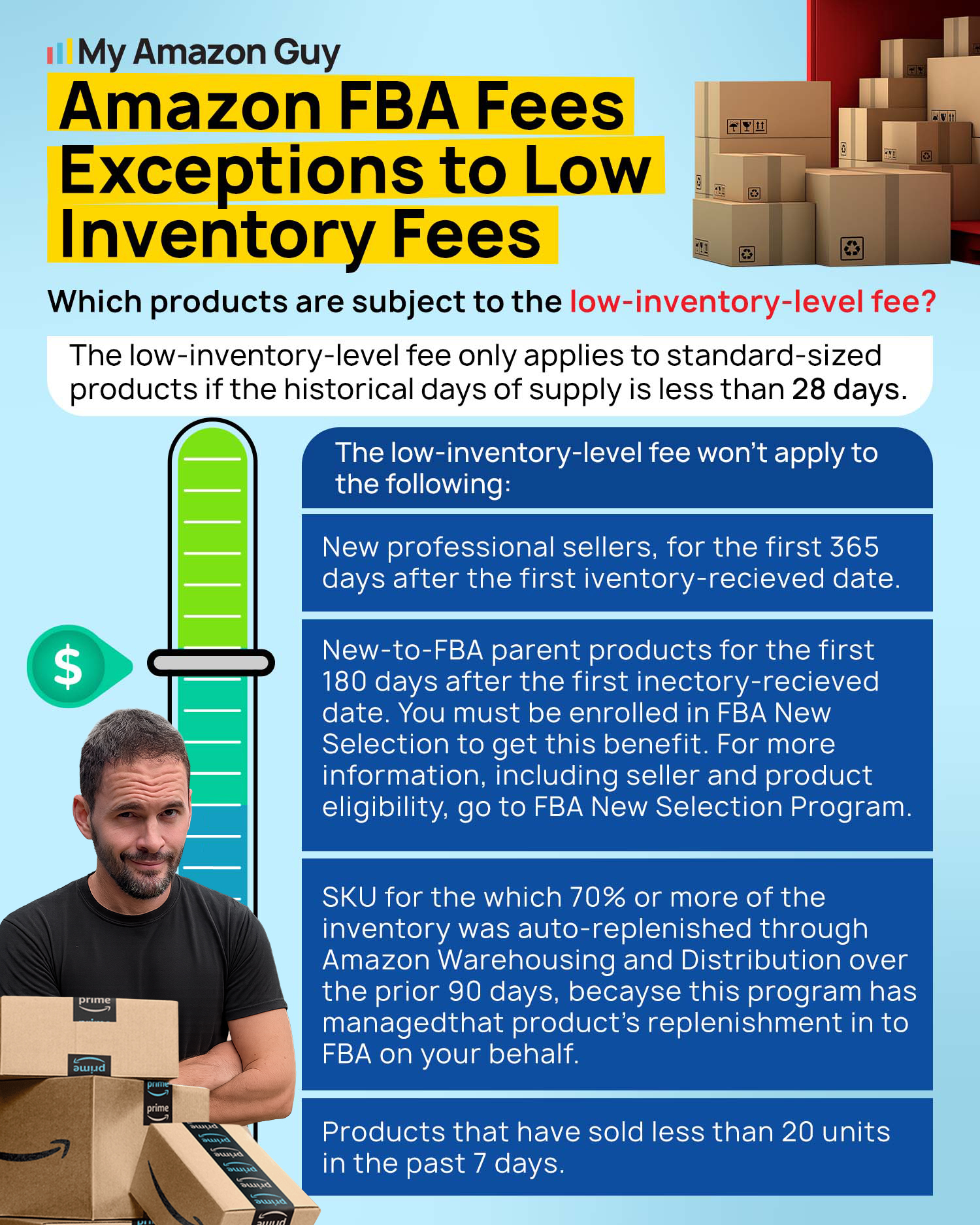
Amazon Warehousing and Distribution (AWD) can hold bulk inventory and automatically replenish FBA centers, reducing placement and low-stock fees. This system allows sellers to minimize logistics headaches while ensuring fast delivery to customers.
By sending bulk shipments to a single AWD hub, sellers lower freight costs and let Amazon’s AI determine the optimal distribution to local warehouses. This approach simplifies operations and helps prevent penalties tied to slow-moving inventory.
3. Prepare Products at the Source
With FBA prep services discontinued, sellers must move labeling, bundling, and poly-bagging to manufacturers or third-party logistics providers. Products that arrive “robot-ready” are checked in faster, often within 48 hours, which speeds inventory availability.
This early preparation ensures sellers can meet Amazon’s strict on-time delivery requirements and avoid performance penalties. It also improves Buy Box eligibility and keeps products flowing efficiently through Amazon’s network.
4. Enroll in SIPP and Use Smart Packaging
The Ships in Product Packaging (SIPP) program and proper packaging certifications help sellers reduce fulfillment fees. Products designed to ship without an Amazon overbox qualify for discounts and optimize warehouse efficiency.
Additionally, leveraging new size tiers like “Small Bulky” can reduce shipping costs by up to 23% compared to previous years. This gives sellers a cost advantage while still taking full advantage of Amazon’s delivery network.
5. Expand Through Multi-Channel Fulfillment (MCF)
Sellers can use Amazon’s delivery service to fulfill orders from their own websites or other marketplaces like Shopify, TikTok Shop, or Walmart. This allows sellers to extend Amazon’s fast, reliable shipping to off-platform sales without building their own logistics network.
Using MCF also provides automated tracking updates and Prime-like benefits, giving customers confidence in delivery speed and reliability. This expands revenue opportunities while leveraging the same infrastructure used for Amazon.com orders.
6. Use Buy with Prime (BWP) for Direct-to-Consumer Sales
Buy with Prime lets sellers offer the Prime badge and fast shipping on non-Amazon channels. Customers are more likely to complete purchases when they see Amazon-backed fulfillment, boosting conversion rates and customer trust.
By integrating BWP, sellers can maintain brand identity while leveraging Amazon’s logistics credibility. This strategy increases revenue per visitor and strengthens relationships with repeat customers outside Amazon.
7. Automate Supply Chain and Inventory Management
“Supply Chain by Amazon” allows sellers to automate inventory replenishment from factories to FBA centers. This reduces manual oversight, prevents stockouts, and keeps products moving efficiently through Amazon’s network.
Automation also helps sellers plan for seasonal spikes and large promotions without the risk of overstock or understock. It’s a strategic advantage that saves time while maximizing sales potential.
8. Monitor Metrics and Avoid Over-Reliance
Even with Amazon handling logistics, sellers must monitor performance metrics like OTDR, valid tracking, and inventory age. Relying exclusively on Amazon can be risky if unexpected delays, surcharges, or policy changes occur.
Maintaining backups like secondary 3PL options or alternative shipping strategies ensures sellers remain flexible. This protects margins and performance while still taking full advantage of Amazon’s delivery service.
Frequently Asked Questions
When did Amazon start becoming a delivery service provider?
Amazon began building its own delivery capabilities after the 2013 holiday shipping failures, gradually introducing Amazon Flex, Amazon Air, and the Delivery Service Partner program. By 2018, the DSP network scaled last-mile delivery nationwide, making Amazon a major delivery service provider.
How does the Amazon delivery service affect FBA and FBM sellers differently?
FBA sellers benefit from faster delivery, Prime eligibility, and automated inventory management, but they pay higher fees and must meet strict performance metrics. FBM sellers retain control of fulfillment but face more operational pressure to meet Amazon’s delivery standards.
Can sellers use the Amazon delivery service for orders outside Amazon.com?
Yes, through MCF and Buy with Prime, sellers can leverage Amazon’s logistics network to ship orders from their own websites or other marketplaces. This allows fast, trackable delivery while expanding revenue beyond the Amazon marketplace.
Correctly Using Amazon Delivery Service to Grow Your Sales
Amazon became a delivery powerhouse because it built its own logistics network to control speed, reliability, and customer experience. Once this shift happened, sellers needed to adjust their strategies to adapt to faster delivery expectations and stricter operational standards.
It can be difficult to navigate fees, performance metrics, and inventory management, but there are best practices that sellers can follow to stay competitive. By leveraging FBA, Multi-Channel Fulfillment, and automated supply chain tools, sellers can reduce operational headaches and improve sales performance.
Are you ready to optimize your Amazon delivery service strategy? Reach out to our full-service Amazon agency and let our team help you implement winning logistics solutions that grow your business.
Boost Sales with Faster Amazon Shipping
Our team helps sellers use FBA, MCF, and Buy with Prime to increase conversions and customer satisfaction.