Are you thinking about trying Amazon Vendor Services? With how much it promises to simplify selling on Amazon, some vendors are curious but unsure if it’s truly the right fit for their brand.
When you’re selling in such a crowded marketplace with 9.7 million sellers, it’s normal to look for ways to increase visibility, improve sales, and streamline operations. One of the options Amazon offers is Vendor Services because it provides a dedicated Brand Specialist and access to internal tools that can help vendors grow.
However, not every vendor benefits from AVS the same way. Some sellers jump in without fully understanding if it suits their business model, goals, or budget.
This guide explains what Amazon Vendor Services is and how it works. Our Amazon agency also shares insights on how to use AVS effectively or decide if hiring an agency is a better fit.
Table of Contents
Need Help With Vendor Central Strategy
Get expert guidance to fix issues and unlock better performance.
What Is Amazon Vendor Services and How It Works
Amazon Vendor Services, or AVS, is a paid program that Amazon offers to select vendors to help them grow sales, improve visibility, and streamline operations. It provides a more guided approach to navigating Vendor Central, which can be complex compared to Seller Central.
When you join AVS, you are assigned a dedicated Brand Specialist who serves as your main point of contact. This specialist connects you with Amazon teams to handle tasks like improving product listings, managing inventory, creating promotions, and troubleshooting supply chain issues.
AVS also gives vendors access to analytics tools, performance reports, and personalized recommendations to optimize their business on Amazon. Some programs even include Pan-EU support, helping vendors expand into other Amazon European marketplaces with strategic guidance and operational assistance.
What Are the Key Features of Amazon Vendor Services
There are a few key features that make Amazon Vendor Services a valuable tool for vendors looking to grow their sales and streamline operations. These features focus on support, optimization, and actionable insights that can help vendors navigate the complexities of Vendor Central.
1. Dedicated Brand Specialist
AVS assigns each vendor a Brand Specialist who acts as your main point of contact at Amazon. This person helps resolve catalog, operational, and promotional issues while providing guidance on strategic growth opportunities.
2. Operational Guidance
Your Brand Specialist provides support to minimize out-of-stock issues, late deliveries, and chargebacks. They coordinate with operational teams to ensure inventory health and smooth order fulfillment.
3. Catalog & Content Support
AVS helps vendors optimize product listings, create A+ content, and maintain a complete catalog. This improves conversions, visibility, and ensures your brand meets Amazon’s quality standards.
4. Business Insights & Analytics
Vendors gain access to performance reports, predictive analytics, and data-driven recommendations. These insights help you make informed decisions about inventory, promotions, and long-term business strategy.
Pros and Cons of Amazon Vendor Services
Deciding whether to use Amazon Vendor Services can be difficult if you don’t fully understand the advantages and disadvantages. That’s why it’s important to weigh the pros and cons carefully before committing.
Benefits of Amazon Vendor Services
- Direct Amazon support speeds up issue resolution.
- Operational guidance reduces out-of-stock and chargeback problems.
- Catalog help improves listings and A+ content.
- Access to data and analytics for better decisions.
- Assistance with EU market expansion and promotions.
Drawbacks of Amazon Vendor Services
- High fees, typically 3-7% of sales.
- Effectiveness depends on the assigned Brand Specialist.
- Services can be too standardized for unique needs.
- AVS provides guidance but does not implement changes.
- Sharing data increases potential competitive risks.
Eligibility Requirements for Amazon Vendor Services
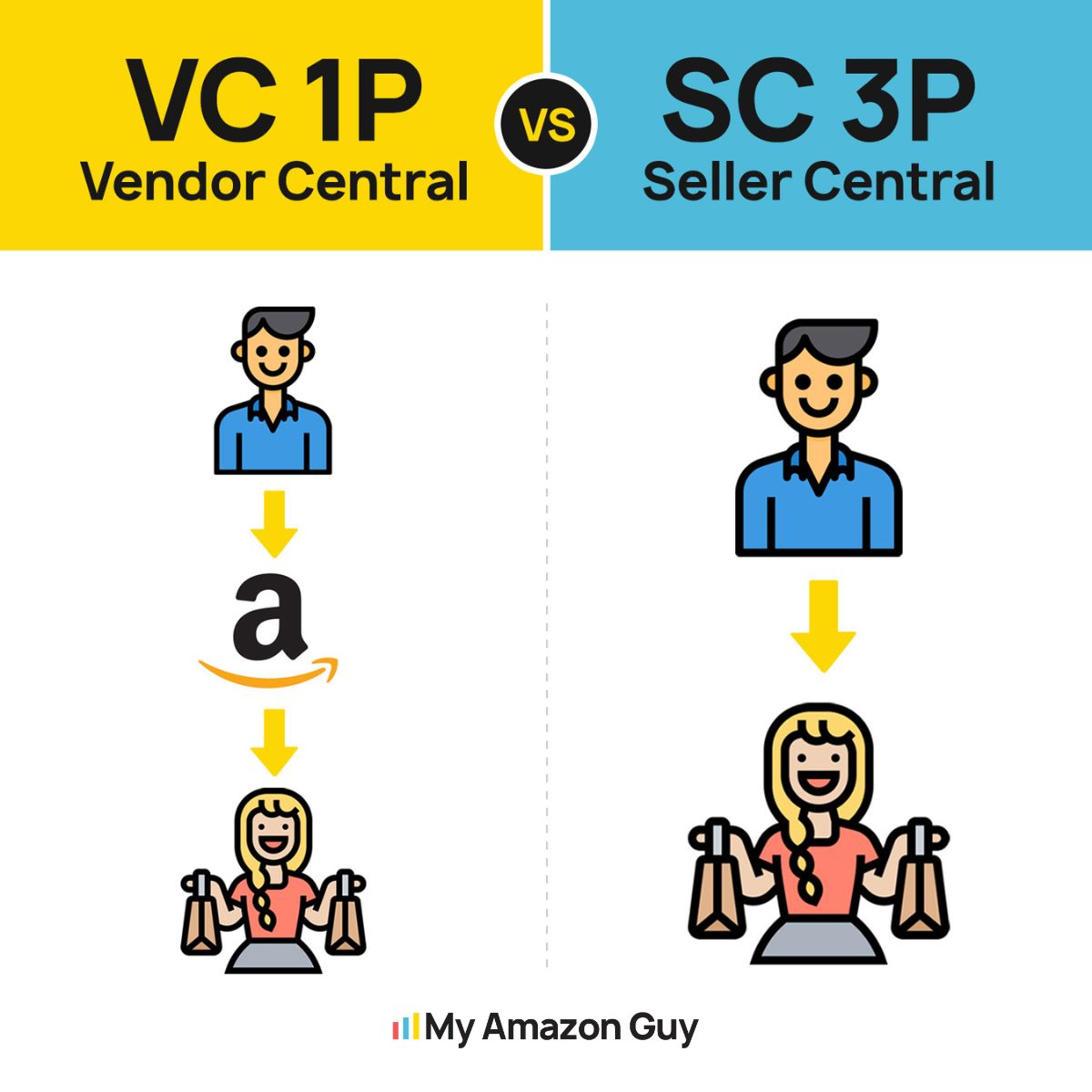
Amazon Vendor Services is an invite-only program, but vendors must meet specific requirements to be considered. Understanding these criteria can help you position your brand for approval and make the most of AVS once enrolled.
- Existing Vendor Status
You must already sell to Amazon as a 1P vendor through Vendor Central. This ensures Amazon has a history of purchasing your products in bulk and can assess your operational reliability. - High Sales Volume
AVS is best suited for vendors with strong sales, often in the millions annually. High-volume sellers are more likely to benefit from the program’s strategic support and analytics tools. - Operational Maturity
Vendors need the systems and processes to handle large purchase orders, reliable lead times, and compliance with Amazon’s standards via EDI or API. This ensures you can consistently meet demand without disruptions. - Willingness to Pay Fees
AVS is a paid service, typically costing 3-7% of your ContraCOGS. Vendors must be prepared to invest in the program to access premium support and tools. - Active Engagement
Amazon looks for brands ready to work closely on catalog optimization, supply chain troubleshooting, and growth initiatives. Your commitment determines how much value you can extract from your Brand Specialist and the AVS program.
Get More From Amazon Vendor Services
Make your AVS investment worth it with expert strategy and execution.
How to Effectively Use Amazon Vendor Services
Using Amazon Vendor Services can be confusing, but it becomes extremely valuable when used strategically. By following the right approach, vendors can maximize AVS to improve operations, fix critical issues faster, and grow their Amazon business.
1. Focus on Escalation, Not Support
Use your Brand Specialist for problems that standard support can’t fix, like hard-locked listings or suppressed ASINs. Avoid giving them basic tasks you can do yourself, as this wastes your investment in the program.
2. Set Clear Agendas and Cadence
Schedule weekly status calls and monthly business reviews, sending the agenda in advance. This ensures your specialist’s time is focused on high-priority operational fixes and growth opportunities.
3. Leverage Insider-Only Data
Ask your specialist for internal reports on category trends, operational benchmarks, and search term performance. These insights reveal hidden gaps in traffic, conversions, and inventory planning that standard Vendor Central dashboards won’t show.
4. Participate in Strategic Programs and Betas
AVS can give you early access to pilot programs, Direct Import optimizations, and new marketing initiatives. Regularly check with your specialist for opportunities that can boost inventory flow, visibility, or promotional reach.
5. Manage Specialist Turnover
Amazon Brand Specialists typically change every 9-12 months, which can disrupt continuity. Maintain a “brand wiki” with key ASINs, warehouse locations, competitors, and previous initiatives to quickly onboard any new specialist.
Amazon Vendor Services vs Hiring an Amazon Agency
Instead of relying solely on Amazon Vendor Services, vendors can explore other ways to improve operations and grow sales. One of the most common alternatives is hiring an Amazon agency, and understanding the key differences can help vendors decide which option fits their business best.
1. Loyalty and Motivation
AVS Brand Specialists are Amazon employees, so their main focus is on Amazon’s profit and operational efficiency. Agencies work for you, prioritizing your sales, ROAS, and overall brand profitability.
2. Operational Access vs Strategic Execution
AVS can access internal systems, backend reason codes, and warehouses to resolve immediate operational issues. Agencies lack these internal buttons but provide strategic expertise, SEO, PPC, content, and creative management to grow your brand long-term.
3. Cost Structure
AVS usually charges a percentage of COGS, which can make it expensive per unit sold. Agencies typically use flat retainer or ad-spend-based fees, giving more predictable and scalable costs.
4. Continuity and Experience
Brand Specialists often change roles every 9-12 months, leading to frequent relearning about your account. Agencies offer stable, experienced teams who know your brand’s history and can maintain consistent strategies.
5. Negotiation and Advocacy
AVS represents Amazon’s interests and may not push for terms that hurt Amazon’s margin. Agencies advocate for your brand, disputing unfair chargebacks and negotiating better deals with Amazon on your behalf.
FAQs About Amazon Vendor Services
Can Amazon sellers and vendors both use Amazon Vendor Services?
No, AVS is only available to vendors with an invite from Amazon. Regular sellers on Seller Central cannot access AVS.
Will a Brand Specialist manage my account full-time?
No, Brand Specialists handle multiple vendors and are Amazon employees. You need to lead the agenda and use them strategically for high-priority issues.
Can any Vendor Central account sign up for AVS?
No, AVS is invite-only and reserved for vendors who meet Amazon’s eligibility criteria. You must have a strong sales history, operational maturity, and a well-established brand.
Maximize the Use of Amazon Vendor Services
Amazon Vendor Services can be a powerful tool for vendors when used strategically, offering dedicated Brand Specialists, operational guidance, and insider data. When leveraged correctly, it can help improve listings, prevent out-of-stock issues, and optimize your sales performance.
However, AVS isn’t a one-size-fits-all solution because its effectiveness depends on your sales volume, operational maturity, and willingness to actively engage with your Brand Specialist. Vendors who lead the agenda, use AVS for escalation rather than basic support, and take advantage of strategic programs see the best results.
Are you having difficulty navigating Vendor Central or getting the most from Amazon Vendor Services? Contact our full-service Amazon agency and let our experts help you out!
Fix Your Vendor Central Problems Fast
Struggling with AVS or Vendor Central issues that slow your growth?