Amazon product bundling can increase your profits, boost your average order value, and set your listings apart when done right, so have you tried doing it? It’s a strategy that can turn ordinary products into irresistible offers that customers love.
Many Amazon sellers struggle to stand out in the crowded marketplace, and product bundling is one of the most effective ways to do so. Yet, without a proper strategy, sellers often miss out on increased margins, higher conversions, and happier customers.
Here, our Amazon agency will break down how to create profitable bundles that sell. We’ll also cover common mistakes to avoid and tips to beat your competition with smart bundling.
Boost Your Sales With Smart Bundles
Learn how strategic product bundles can increase your average order value and profits.
What Is Amazon Product Bundling and Why Does It Matter
Amazon product bundling, also known as kitting, is when sellers combine multiple products into a single, unique listing. Research shows that bundling can boost sales by up to 20%, which is why so many Amazon sellers use it to stand out in a crowded marketplace.
Bundling is more than just combining items; it increases perceived value, saves on FBA fees, and protects your listings from competitors. By creating a unique bundle, sellers escape the “race to the bottom”, increase profit margins, and deliver solutions that meet real customer needs.
Amazon Virtual Bundling vs Physical Kitting
There are two main ways sellers can approach Amazon product bundling: virtual bundling and physical kitting. Each has its own benefits and limitations depending on your logistics setup and business goals.
Amazon Virtual Bundling
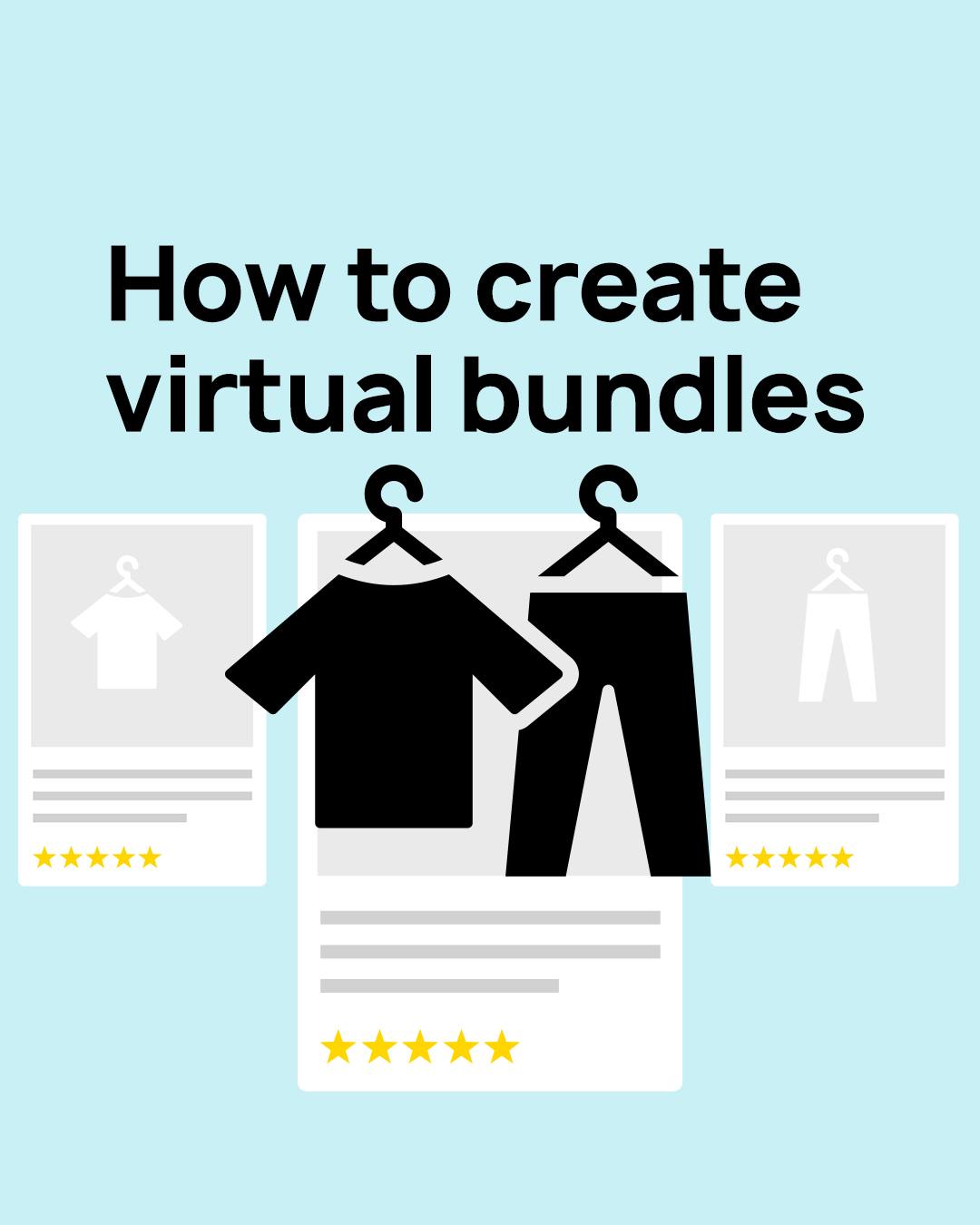
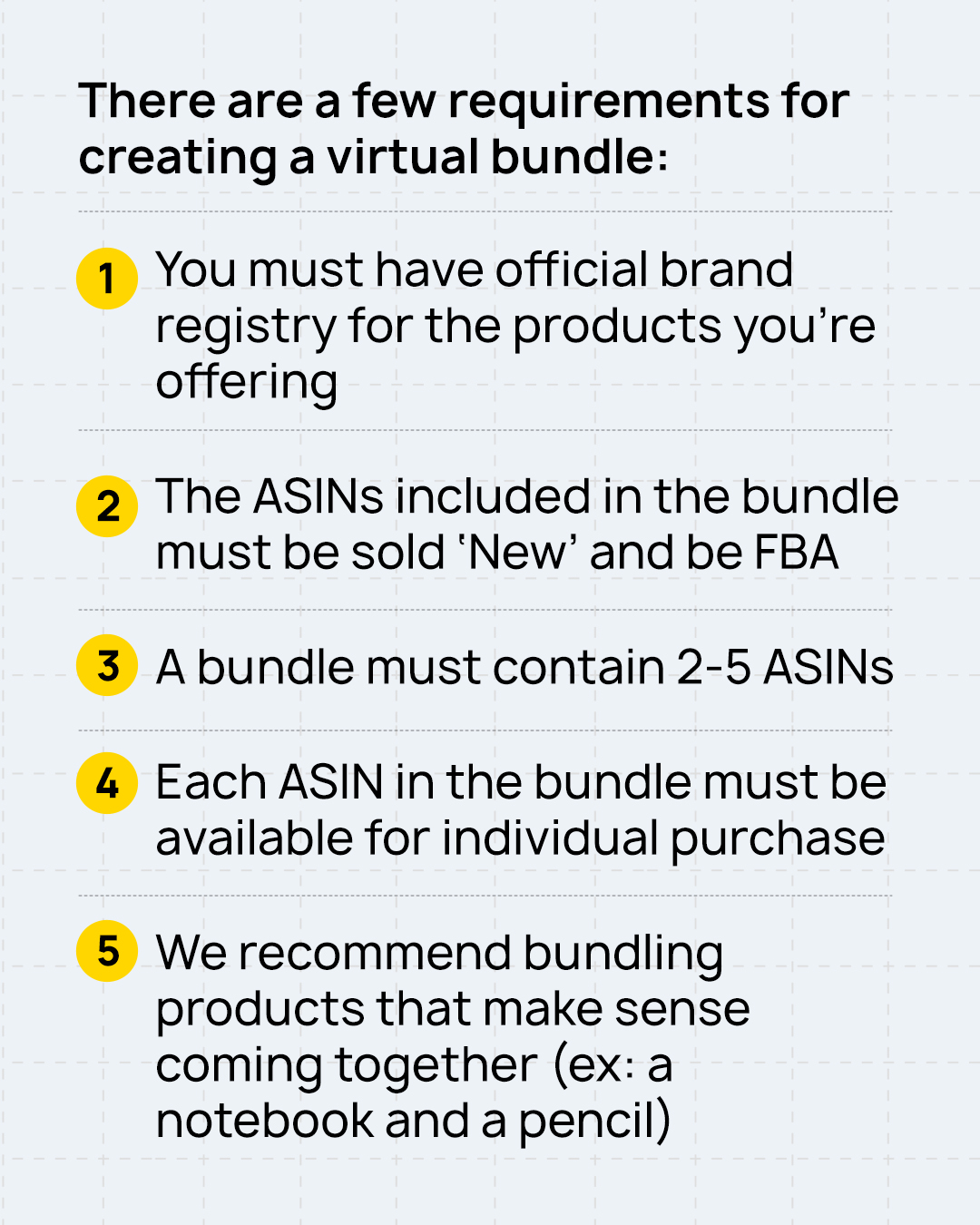
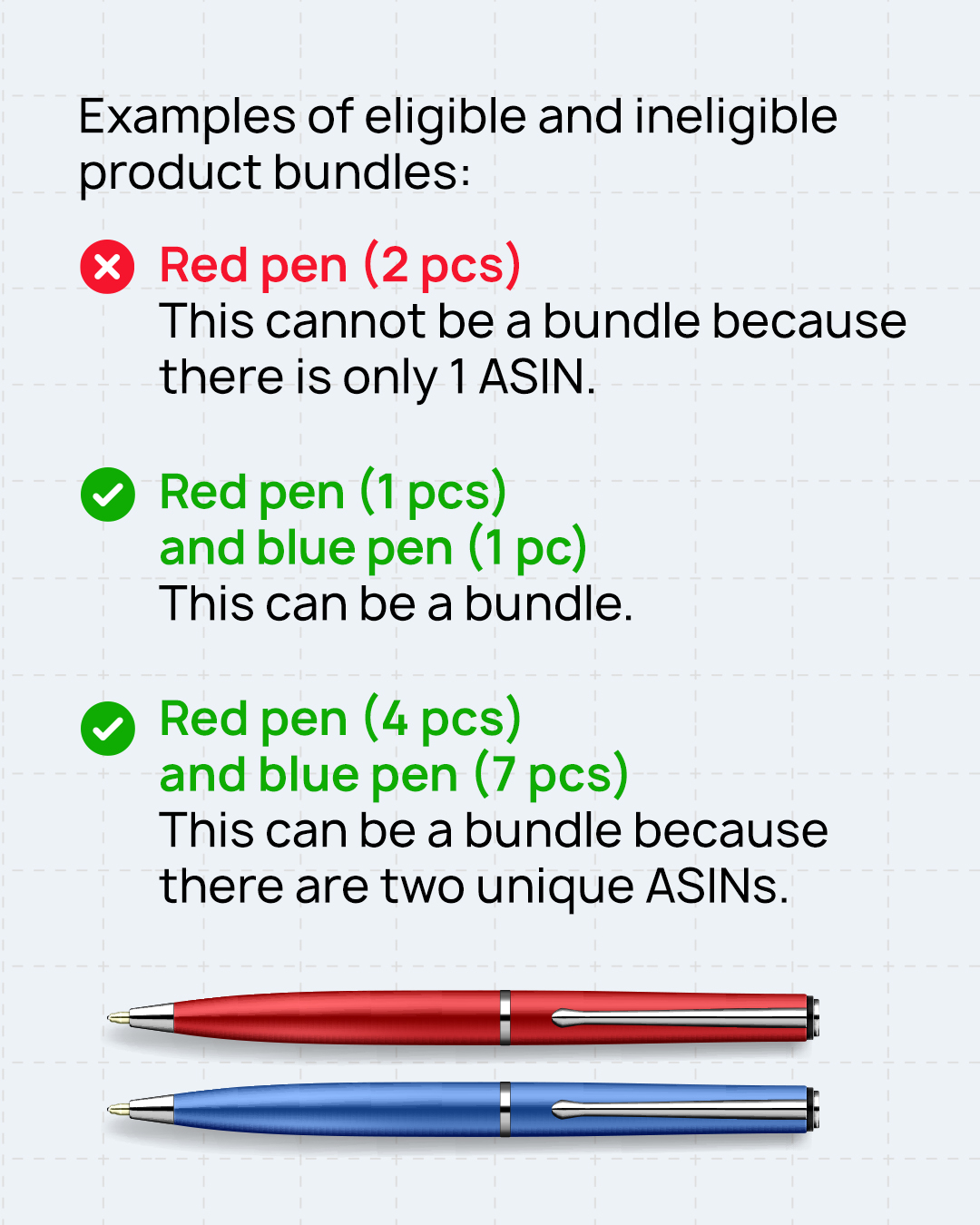
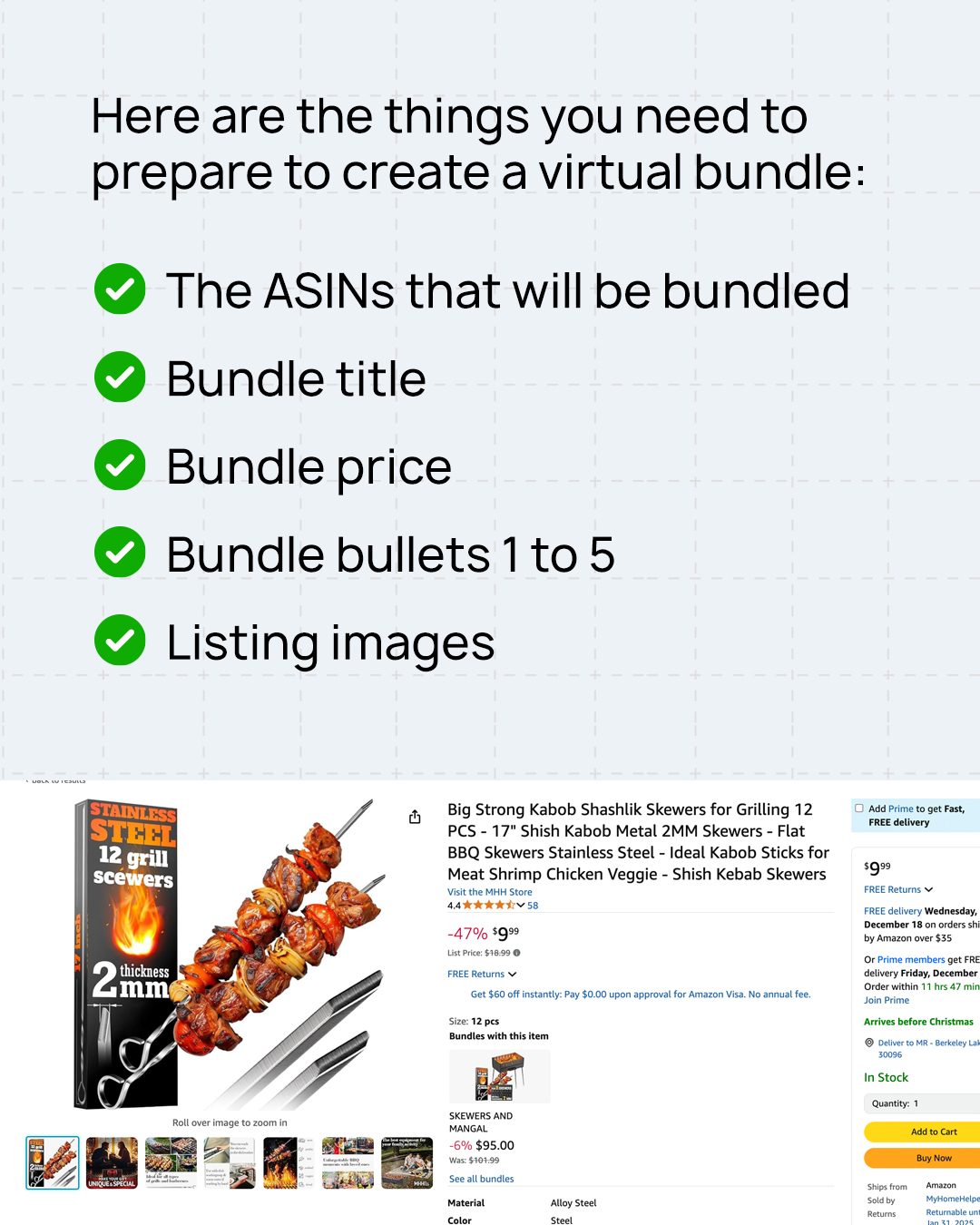
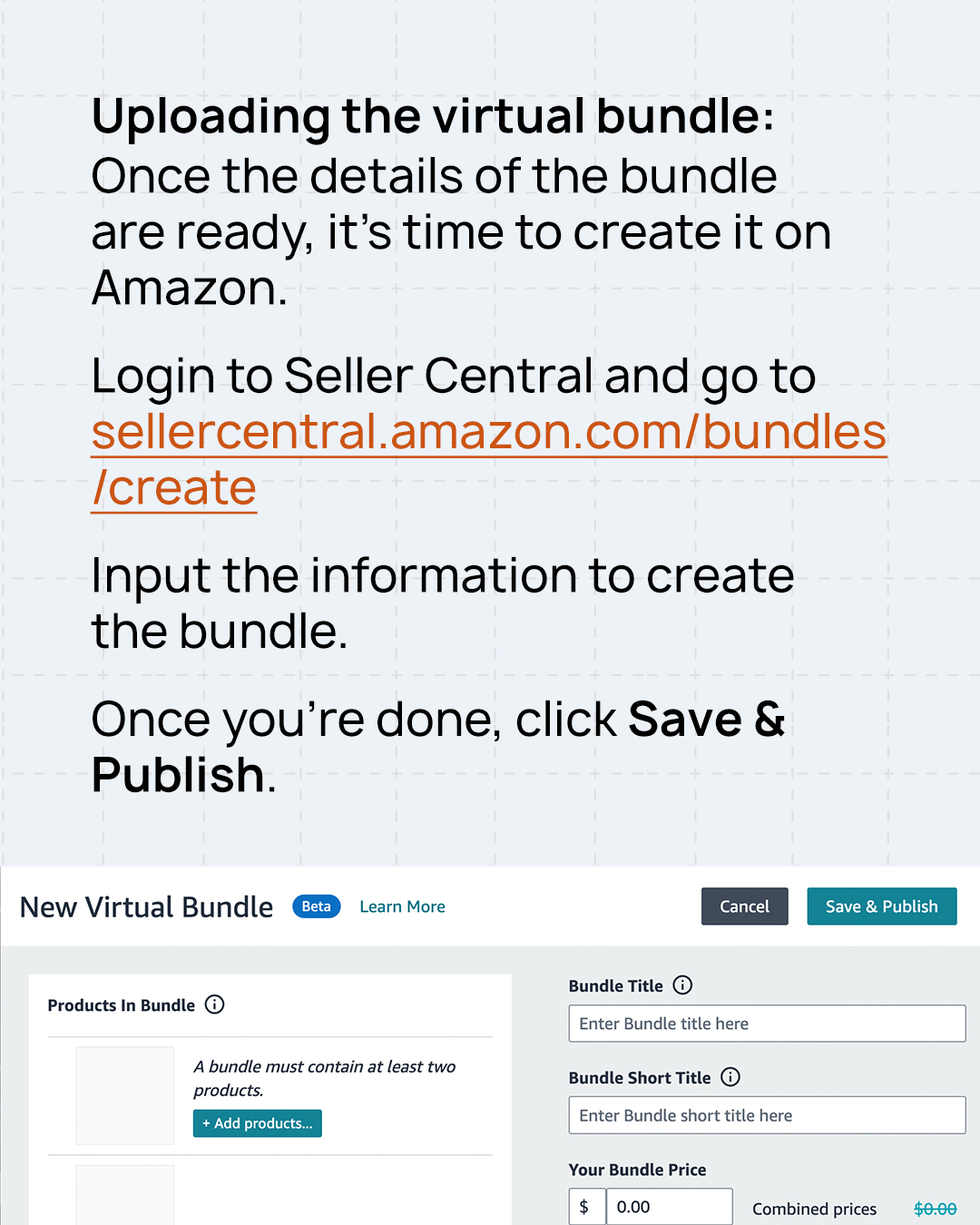
Virtual bundling groups multiple products together on Amazon without physically packaging them. Customers receive each item separately, making it easier for sellers but less convenient for buyers.
Amazon Physical Kitting
Physical kitting combines multiple products into a single package before shipping. This improves the customer experience, reduces shipping costs, and allows sellers to charge a premium for a convenient, cohesive bundle.
Mistakes to Avoid in Amazon Product Bundling
Product bundling can boost sales and margins, but many sellers make mistakes that hurt results instead of improving them. Being aware of these common errors can save time, money, and frustration.
1. Bundling Without Research
Just because a bundle seems “cute” doesn’t mean it will sell. Kristin emphasized that using sales data and research, not personal taste, is critical to create bundles that actually perform.
2. Including Items That Don’t Make Sense Together
Some sellers add random products just to block hijackers or make the bundle seem “special”. Bundles must be complementary and meaningful to the customer to provide value.
3. Focusing on Hijacker Prevention Over Value
If your main goal is simply to prevent competitors from hijacking a listing, you’re missing the point. Bundles should enhance the customer experience, not just act as a shield against competition.
4. Relying on Virtual Bundling Alone
Virtual bundles may look easier to set up, but shipping items from different warehouses can frustrate buyers. Customers want speed, convenience, and a single package, which virtual bundling can fail to provide.
Stand Out with Smart Amazon Bundles
Product bundling is one of the simplest and most effective ways for sellers to stand out on Amazon, but it only works when done strategically. By carefully selecting complementary items, pricing correctly, and focusing on customer value, sellers can boost sales, margins, and brand appeal.
Are you ready to increase your Amazon profits and deliver more value to your customers? Contact our full-service Amazon agency and let our experts help you create high-performing bundles that grow your business efficiently.
Maximize Margins With Product Bundling
Our experts help you create bundles that drive revenue without cutting into profits.