Is your brand thriving on Amazon? If not, it might be time to rethink your strategy and get serious about how you compete with other sellers.
There are over 470,000 brands selling on Amazon, making it easy for your products to get lost in the mix. Staying informed on best practices for distribution, pricing, and brand protection is key to keeping your edge.
This blog breaks down what digital native brands are doing differently and why traditional brands risk losing ground. Our Amazon agency helps sellers take control of their presence, protect their brand, and grow sales effectively.
Protect Your Brand on Amazon Today
Stop losing margin and control to unauthorized sellers and hidden distribution leaks.
Digitally Native Brands vs Traditional National Brands on Amazon
When it comes to selling on Amazon, there are digitally native brands and traditional national brands. There are major differences between the two, and understanding these differences can shape your Amazon strategy and protect your margins.
| Key Differences | Digitally Native Brands | Traditional National Brands |
|---|---|---|
|
Origin |
Online-born / private label |
Offline-born / brick-and-mortar |
|
Sourcing |
Overseas / fills product gaps |
Established supply chains |
|
Brand Control |
Full control over branding & pricing |
Limited control via distributors |
|
Amazon Focus |
Primary channel |
Just another sales channel |
|
Tight control / prevents erosion |
Price erosion common |
Content |
|
IP & Legal |
Trademarks / proactive protection |
Often slower to protect IP |
|
Amazon Skills |
Listings & ads optimized |
Limited Amazon expertise |
|
Challenges |
Startup investment in IP & marketing |
Unauthorized sellers/distribution issues |
|
Agility |
Quick to adapt & iterate |
Slow to react to competitors |
Proven Strategies for Traditional Brands on Amazon
For traditional brands on Amazon that were built through brick-and-mortar and distributor networks, the rules are different online. By applying the right structural and legal changes, these brands can protect pricing, clean up distribution, and strengthen long-term brand equity.
1. Take Back Control of Distribution
Audit who has access to your inventory and where that inventory is allowed to go. If you do not tightly control distribution, Amazon will expose the gaps through price erosion and unauthorized sellers.
2. Build and Enforce an Online Reseller Policy
A minimum advertised price policy is not enough to stop unauthorized sellers on Amazon. You need a structured online reseller policy that clearly defines who can sell your products online and under what conditions.
3. Address First Sale Doctrine Through Legal Structure
The first sale doctrine allows third parties to resell your products without your permission. Proper legal protections, such as enforceable quality controls, can reduce that protection and give your brand leverage.
4. Align Executive Leadership Around Brand Protection
This shift must happen at the executive level, not just within ecommerce or sales teams. Incentives should reward long-term brand protection, not just short-term volume.
5. Prepare for Short-Term Price Turbulence
When enforcement begins, some sellers will dump inventory to avoid risk. Brands must stay disciplined through temporary price drops to restore long-term stability.
6. Actively Manage the Amazon Channel
Amazon cannot be treated like a traditional retail account with passive oversight. Brands must actively monitor listings, pricing, and representation to stay competitive.
Critical Steps for Digital Native Brands to Succeed
Digitally native brands may have speed on their side, but that does not guarantee long-term success. To compete and protect what they build, brands on Amazon must treat infrastructure and protection as non-negotiable from day one.
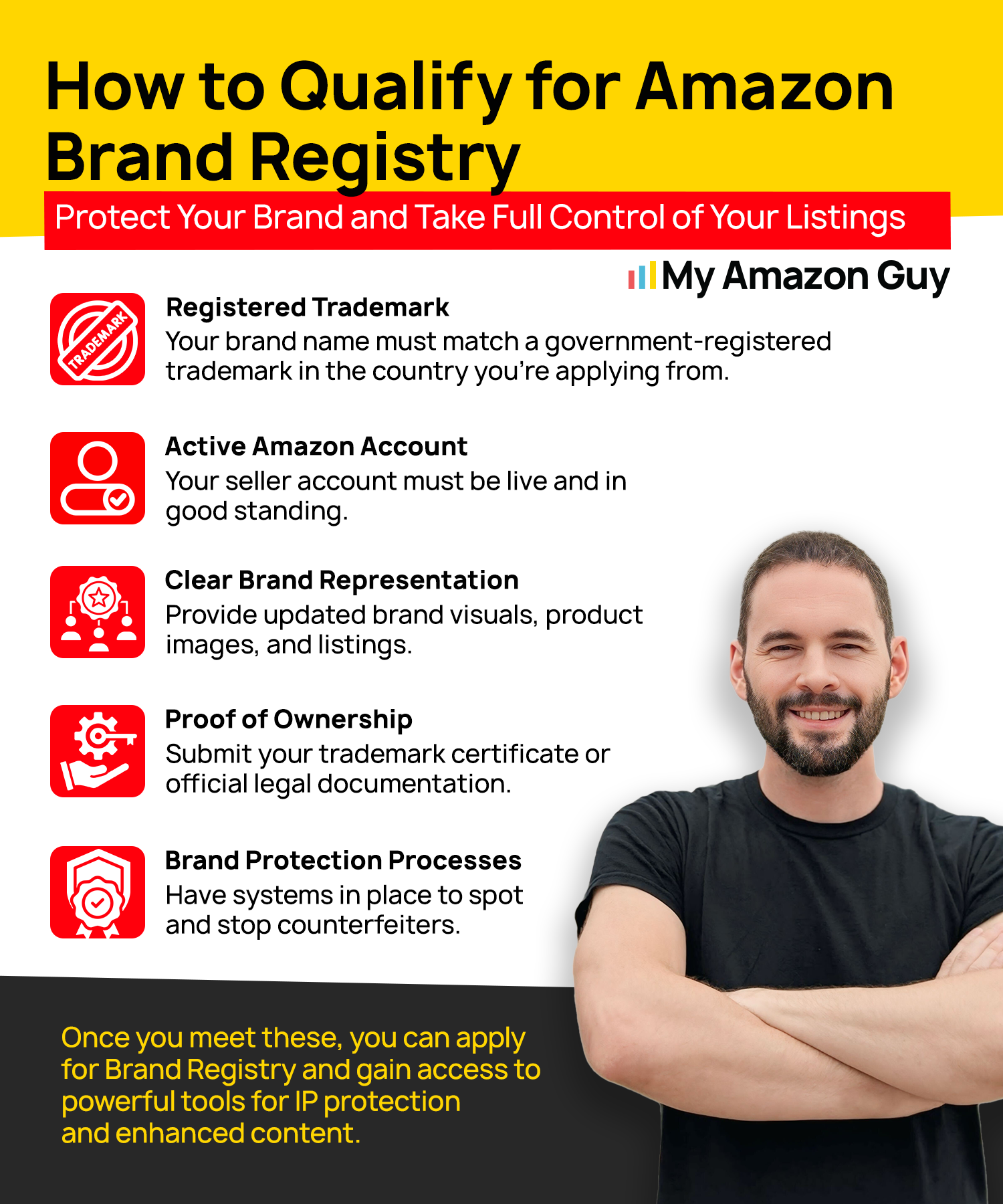
1. Secure a Trademark Before Scaling
You are not viewed as a real brand on Amazon without a registered trademark. Filing early in the United States and in the country where your product is manufactured protects you if your product takes off.
2. Register in Brand Registry
Brand Registry gives you control over your listings and brand representation. Without it, you leave your content vulnerable to edits and misuse.
3. Protect Intellectual Property in Key Countries
If you manufacture overseas, secure your trademark in that country as well. Failing to do so can limit your ability to fight counterfeiters or enforce your rights later.
4. Invest in High Quality Listings
Winning on Amazon requires strong listings that convert and rank well in search. If you do not invest in content that drives traffic and conversions, competitors will outrank you.
5. Budget for Enforcement Early
The more successful your product becomes, the more attention it attracts from copycats. Planning for legal enforcement and monitoring from the beginning prevents costly problems later.
6. Go All In From the Start
Testing with minimal investment may seem safe, but success without protection creates bigger risks. If you plan to build a real brand, commit to the proper budget and structure before you scale.
Take Control or Get Left Behind on Amazon
Selling on a platform as competitive as Amazon requires more than listing products and hoping for sales. Brands on Amazon must control distribution, protect intellectual property, and actively manage their presence or risk losing ground to faster competitors.
Need help protecting and growing your brand on Amazon? Contact our full-service Amazon agency and let our experts build a strategy that safeguards your brand and drives long term growth.
Strengthen Your Amazon Brand Foundation
Set up trademarks, brand registry, and enforcement systems the right way from day one.