
Last Updated: September 22, 2026
Why do so many Amazon sellers keep raising their ad budget while their sales barely move? The problem usually has less to do with how much they spend and more to do with who runs the campaigns.
Amazon’s ad business brought in $19.8 billion in Q2 2026, up 26% from a year earlier, so every click now costs more to win. Sellers who set up campaigns and walk away end up paying for traffic that never turns into sales.
The solution is to outsource your Amazon PPC to experts, and this Amazon PPC outsourcing guide shows you how to do it right. As an Amazon agency that has managed over $1.4B in ecommerce revenue across 400+ brands, we’ve seen outsourcing pay off fastest during a new product launch.
In this article, our Amazon agency will explain when to outsource your PPC, who to hire, what to expect, and how much to pay. We will also cover how to choose Amazon PPC management for a new product launch, including when to run Sponsored Products versus Sponsored Brands.
Table of Contents
Get a free, no-obligation review of your listing and PPC setup before your first ad dollar goes out.
Handing your Amazon PPC to experts saves time and cuts wasted spend, and the payoff comes fastest during a product launch. A strong partner treats your listing, ads, and keyword rank as one connected plan.
- Outsource once time or results stall
- Match the partner type to your needs
- Fix the listing before any ad spend
- Start with Sponsored Products, then add Sponsored Brands
- Grade launches on organic rank, not ACoS
- Budget for both fees and launch ad spend
Tweaking bids won’t rescue a launch built on a weak listing. Choose a partner that plans and owns your first 90 days from start to finish.
What Is Amazon PPC Outsourcing?
Amazon PPC outsourcing means handing your ad campaigns to a specialist, so your bids, keywords, and budgets get the daily attention you can’t give them yourself. To know whether it fits your business, you first need to understand how Amazon PPC works and where most sellers hit a wall.
What Is Amazon PPC?
Amazon PPC (pay-per-click) is Amazon’s ad system, where you bid on keywords and pay only when a shopper clicks your ad. Winning those bids puts your product at the top of search results and on competitors’ listings, right where buyers are making their choice.
Because Amazon sells these placements through an auction, your costs rise and fall with how many sellers want the same keywords. Keeping those auctions profitable takes daily work on bids, keywords, and budgets, which is why so many sellers outsource it to professionals.
Run Effective Amazon PPC Campaigns to Get More Sales
A Seller’s Journey Through Amazon PPC Challenges
Meet Sarah, an Amazon seller who launched her first PPC campaigns expecting a quick jump in sales. A few weeks in, she was spending more time and money than she planned, with little to show for it.
- Complexity Hits Hard
Sarah spent hours on keyword research and bid setup, only to find her chosen keywords brought clicks but few sales. - Time Slips Away
Checking campaigns, adjusting bids, and reading reports every day pulled her away from inventory, listings, and customers. - Costly Mistakes
One bid set too high burned through her daily budget before lunch, and her sales barely moved. - Lack of Expertise
Search term reports and Sponsored Brands campaigns felt like a foreign language she had no time to learn.
Sarah was putting in more hours than ever, but she was learning PPC with real money on the line. That’s when she handed her advertising to professionals.
Sarah’s story plays out in thousands of seller accounts every month, and most of the damage comes from a handful of repeat mistakes. Watch these videos to see the most common Amazon PPC challenges and how to avoid them.
Resolving High PPC Costs and Low Sales on Amazon
STOP Negating Profitable Keywords! Amazon PPC Tips
What Amazon PPC Outsourcing Is
In practice, outsourcing moves the daily PPC work off your plate, from keyword research and bid changes to search term cleanup and campaign structure. You still own the goals, the budget, and the final say, while your partner handles execution and reports back.
For Sarah, that meant her campaigns got daily attention while she went back to sourcing and improving her listings. Your partner can be a freelancer, an advertising agency, or a full-service team, and the right choice depends on what else your account needs.
Amazon PPC Outsourcing Guide: Why Rely on Professionals
Outsourcing gives you expertise, time, and tools that are hard to build in-house on a seller’s budget. These are the advantages that matter most, and each one fills a gap sellers like Sarah run into on their own.
- Cutting-Edge Solutions
Amazon adds and changes ad features every year, from Amazon DSP to day-parting and competitor targeting. Professionals test these features across many accounts, so you get what works without paying to learn it yourself. - Scalable Growth
A cleaner campaign structure lets you grow ad spend without growing waste at the same rate. UK card brand Cardology saw a 107% increase in sales after a PPC cleanup cut its ad spend by 50%. - Save Time
Good PPC management means checking search terms, bids, and budgets several times a week, every week. Outsourcing gives those hours back to sourcing, listings, and the parts of the business only you can run. - Increased Competition
In Q2 2026, Amazon’s advertising revenue grew 26% while paid units grew 17%, so more ad dollars now chase each sale. Experts use automation and weekly search term reviews to keep your spend on keywords that convert. - In-Depth Data
Professionals track TACoS, conversion rate, and organic rank, not just ACoS. That wider view shows whether your ads are building long-term sales or just renting short-term ones. - Cost-Effective
Most of the savings come from cutting spend on keywords that get clicks but no orders. At $10,000 a month in ad spend, trimming 15% waste puts $1,500 back into keywords that sell. - Customer Support & Value-Add Services
A full-service agency can fix the listing, images, and A+ content that decide whether ad clicks turn into sales. At MAG, each client gets 7 to 8 specialists, so PPC, design, and catalog work move together.
Amazon PPC Outsourcing Guide: When to Outsource
The right time to outsource is usually before PPC problems show up in your profit and loss statement. Watch for these six signs, since each one means your campaigns need more time or skill than you can give them.
1. Your Campaigns Aren't Delivering Results
If you’ve tested new keywords, changed bids, and restructured campaigns for months with no lift, the problem likely runs deeper than one setting. An expert can spot structural issues, like overlapping campaigns or a weak listing, that you stop noticing after staring at them every day.
Example: Mark has run the same campaigns for six months, and his sales stay flat while his budget keeps draining. An expert audit could show that half his spend goes to broad keywords that never convert.
2. You're Spending Too Much Time on PPC
Healthy PPC management takes several hours a week of search term reviews, bid changes, and reporting. When that work crowds out sourcing, listings, and customer service, your time is costing you more than an agency would.
Example: Jessica spends every Monday and Thursday morning in Campaign Manager, and her listing updates keep slipping to next week. Handing off PPC would give her those mornings back for the work that actually grows her brand.
3. You're Not Seeing ROI
When ad spend keeps rising but total sales stay flat, your ads may be taking credit for sales you would have made anyway. Watch your TACoS, because a climbing TACoS with flat revenue means your ads are growing faster than your business.
Example: Tom raised his ad budget from $5,000 to $8,000 a month, yet his total sales barely moved. A PPC specialist would check whether that extra $3,000 went to branded keywords that bought sales he already owned.
4. Your Expertise Is Limited
Tactics like negative keywords, search term harvesting, and Sponsored Brands campaigns separate profitable accounts from ones that bleed cash. If those terms feel unfamiliar, you’re likely paying for mistakes an expert would catch in the first week.
Example: Hannah’s catalog grew from three products to twelve, and she has never built a negative keyword list or a Sponsored Brands campaign. A professional could set up both and stop her ads from showing on searches that never buy.
5. You've Reached Your Growth Limit
Every new product adds campaigns, keywords, and budget decisions, so a setup that worked for five ASINs breaks at fifty. Professionals build campaign structures and naming systems that scale without doubling your workload.
Example: David’s product line doubled this year, and his old setup now lumps unrelated products into the same ad groups. A specialist could rebuild it by product and match type, so each ASIN gets its own budget and bids.
6. You're Launching a New Product
A new ASIN has a short window to earn keyword rank, and learning PPC on the fly during that window gets expensive. Outsourcing before launch day lets your listing, keywords, and campaigns go live as one plan.
Example: Maria is launching her first private label product in 60 days and has never built a Sponsored Brands campaign. A launch-focused team could prep her listing, keyword map, and ads so everything goes live the day her inventory lands.
Are Your Amazon PPC Costs Out of Control?
Amazon PPC Outsourcing Guide: Who to Partner with
The right PPC partner depends on your budget, the size of your catalog, and how much of your account needs help beyond ads. Most sellers choose among three options, and each one fits a different stage of growth.
Freelancer
A freelancer is one PPC specialist who manages your campaigns, usually for an hourly rate or a flat monthly fee. This setup works best when your listings already convert and you need a skilled hand on the day-to-day ad work.
- Pros: low cost, direct contact, and flexible terms
- Cons: no backup, fewer tools, and no listing help
Amazon Advertising Agency
An advertising agency gives you a team that manages Sponsored Products, Sponsored Brands, Sponsored Display, and sometimes Amazon DSP. You get more hands and better tools than a freelancer offers, but the work usually stays inside the ad console.
- Pros: team coverage, better tools, and wide experience
- Cons: higher fees, extra creative costs, and shared attention
Full-Service Amazon Agency
A full-service agency runs your PPC alongside SEO, listing design, catalog troubleshooting, and Seller Central issue resolution. Because one team owns the whole account, a fix to your listing or images can lift ad performance in the same week.
- Pros: one plan, one accountable team, and launch-ready support
- Cons: higher cost, longer onboarding, and broader account access
| Launch need | Freelancer | Ad agency | Full-service agency |
|---|---|---|---|
|
Listing and A+ prep
|
Rarely
|
Add-on
|
Included
|
|
Sponsored Products
|
Yes |
Yes |
Yes |
|
Sponsored Brands creative
|
Varies |
Often extra
|
Included |
|
Brand Registry and Store
|
No |
Rarely |
Included |
|
Listing keyword indexing
|
Rarely |
Sometimes |
Included |
|
Weekly reporting
|
Varies |
Usually |
Usually |
|
Best fit
|
One ASIN, tight budget
|
Strong listing, needs ads
|
New brand or ASIN
|
Amazon PPC Outsourcing Guide: How to Pick PPC Management for a Product Launch
Product launch advertising is the one stretch where a slow or generic PPC partner costs you the most. The first 90 days set your keyword rank, and a weak start means paying to climb back for months.
Which Amazon PPC Management Services Are Best for New Product Launches?
The best Amazon PPC management services for a new product launch treat ads, listing, and keyword rank as one plan. They build Sponsored Products first, add Sponsored Brands once Brand Registry and creative are ready, and grade the launch on organic rank instead of day-one ACoS.
That usually points to a full-service team, because a launch with a weak main image or no A+ content burns ad spend no matter how good the bids are. For named agencies side by side, see our breakdown of the top Amazon PPC agencies.
What Should I Look for in Amazon PPC Launch Services?
Look for a partner that shows you a launch plan before you sign, instead of a generic management proposal. These criteria separate strategic launch support from someone who just turns on ads.
- A written 90-day plan with goals for each phase
- A+ content and main image fixed before spend
- Separate discovery and exact match campaigns
- A set date to add Sponsored Brands and video
- Launch KPIs beyond ACoS, like organic rank and TACoS
- Converting search terms fed back into listing keywords
- Weekly reporting during the launch window
- A named owner who stays on after launch
An agency that only talks about bids and ACoS targets is offering ad management with a launch label on it. Ask which keywords they expect you to rank for by day 60, and how they plan to prove it.
Should I Launch With Sponsored Products or Sponsored Brands?
Launch with Sponsored Products on day one, then add Sponsored Brands as soon as you have Brand Registry and video ready. Sponsored Products earns the first clicks and sales that teach Amazon what your product is, and Sponsored Brands builds the brand trust a new listing lacks.
| Launch factor | Sponsored Products | Sponsored Brands |
|---|---|---|
|
Job in a launch
|
Builds sales velocity and keyword data
|
Builds brand trust and top-of-search presence
|
|
Requirement
|
Professional selling plan
|
Brand Registry, brand logo, eligible category
|
|
Works with one ASIN
|
Yes |
Yes, through a single-product video
|
|
Where the click goes
|
Product detail page
|
Detail page, Brand Store, or landing page
|
|
When to turn it on
|
Day one
|
Once Brand Registry and video are ready
|
|
Launch KPI to watch
|
Conversion rate, search terms, organic rank |
New-to-brand orders, click-through rate, branded search
|
|
Amazon’s reported lift
|
50% weekly lift in units ordered within a year
|
23% higher sales after 13 weeks
|
Amazon reports that advertised ASINs saw an average 50% weekly lift in units ordered within a year of starting Sponsored Products. Its new ASIN launch playbook adds that brand owners using Sponsored Brands saw 23% higher sales after 13 weeks, which is why the two work best as a pair.
Strategic Launch Support vs Generic Ad Management
Two agencies can quote the same fee and run very different launches. The gap shows up in what they do first and what they measure.
| Area | Strategic launch support | Generic ad management |
|---|---|---|
|
First step
|
Audits listing, main image, and A+ content
|
Uploads campaigns
|
|
Main goal
|
Organic rank on target keywords
|
Low ACoS
|
|
Bid approach
|
Aggressive early, tightened as data comes in
|
Flat bids from day one
|
|
Ad mix
|
Sponsored Products on day one, Sponsored Brands on a set date
|
Sponsored Products only
|
|
Reporting |
Weekly, tied to rank and TACoS
|
Monthly spend summary
|
|
After launch
|
Same team scales the winners
|
Handoff or autopilot
|
On every launch we run, PPC, design, and catalog work move on the same calendar instead of in separate queues. One brand that brought us PPC, catalog, and main image CTR work together grew revenue 14.4x.
How Long Does an Amazon PPC Launch Take To Show Results?
Plan on 90 days, with the first 30 treated as paid research and a high ACoS as the price of that data. Brands using Amazon’s New Product Campaigns reached a 1,000-unit sales goal in 46 days on average, 39% faster than brands on other full-funnel plans.
By day 60, converting search terms should be moving into exact match, and the listing should index for them. By day 90, TACoS should trend down as organic sales carry more of the load.
Our PPC specialists will review your listing and ad structure and show where launch budget leaks.
Amazon PPC Outsourcing Guide: Where to Find PPC Experts
Good PPC talent is easy to find if you know where to look and how to vet it. Each of these sources works best for a different partner type, from a solo freelancer to a full-service team.
- Freelance Marketplaces
Upwork and Fiverr list thousands of Amazon PPC freelancers at almost every price point. Filter by client reviews in your category, and ask for Amazon Ads certifications before you hire. - Amazon-Approved Agencies
Amazon’s Advertising Partners directory lists agencies that meet Amazon’s partner standards. That gives you a safer starting shortlist than a cold Google search. - LinkedIn
Search for Amazon PPC specialists or agencies, then read their posts and recommendations. How someone writes about ads tells you a lot about how they’ll run yours. - Amazon Seller Forums
Seller Central forums and seller communities surface honest feedback from sellers who’ve already hired help. Look for repeat mentions, since one glowing review can be a plant. - Seller Referrals
A referral from a seller in your category is often the fastest route to a partner with proven results. Ask what changed in their numbers, not just whether they liked working together. - Job Boards
Indeed and Glassdoor work best when you want a full-time, in-house PPC hire instead of an outside partner. Expect a longer hiring process, plus the cost of tools and training on top of salary.
Amazon PPC Outsourcing Guide: What to Expect
Good Amazon advertising services follow a clear process, from keyword research in week one to weekly reports that show what your money bought. These are the core pieces you should expect, and any partner who skips one is leaving results on the table.
1. Amazon Advertising Management By Specialists
Your account gets a team that builds, runs, and adjusts campaigns around one goal, which is profitable sales. They also watch competitor pricing, placements, and new listings, so your ads react before a rival takes your spot.
2. Comprehensive Keyword Research
Keyword research comes first because every bid, budget, and campaign depends on it. Your team maps the search terms real buyers use, then sorts them by intent so the most ready-to-buy terms get the most budget.
3. Optimized Campaigns
Each campaign gets its own goal, budget, and bid strategy, whether that’s launching a product, defending your brand, or stealing share from a competitor. Good PPC campaign management adjusts keywords and bids every week based on ACoS, conversion rate, and TACoS, not gut feel.
4. Reducing ACOS and Increasing Sales
Lowering ACoS starts with moving proven search terms into exact match and cutting the ones that eat budget without converting. Your team also audits the listing and pricing behind each ad, since a click on a weak listing costs the same as a click on a strong one.
5. Weekly Reporting
Expect a weekly report that shows spend, sales, ACoS, TACoS, and what changed since last week. A good report also explains why the numbers moved and what the team will do next, not just the numbers themselves.
6. Creative Design
Sponsored Brands and video ads need strong headlines, images, and short videos to earn the click. Your team should design these for mobile first, since many Amazon shoppers see your ad on a phone screen.
7. Keyword Strategy and Testing
Your team tests broad match for reach, phrase match for control, and exact match for your proven winners. That kind of sponsored ads optimization shifts bids toward whichever match type turns clicks into sales most cheaply.
8. Tailored Plans for Every Seller
A seller with one hero ASIN needs a different plan than a brand launching its twentieth product. Your partner should build a plan around your margins, catalog, and growth goals instead of reusing a template from another client.
How to Run Amazon Ad Campaigns
Amazon PPC Outsourcing Guide: How Much to Pay
What you pay for outsourced PPC depends on how the partner bills, how big your catalog is, and how much work sits outside the ad console. Knowing the common models and price ranges helps you compare quotes without overpaying for work you don’t need.
A. Pricing Models
Most PPC partners bill in one of four ways, and each model rewards a different kind of work. Pick the one that matches your ad spend and how much ongoing help you need.
| Pricing model | Typical cost | Best for |
|---|---|---|
|
Hourly rate
|
$50 to $200 per hour
|
Small brands or one-time fixes
|
|
Flat monthly fee
|
$500 to $5,000 per month
|
Ongoing management with a set scope
|
|
Percentage of ad spend
|
10% to 20% of monthly ad spend
|
Growing brands whose budget scales each quarter
|
|
Performance-based
|
Base fee plus a bonus tied to sales or ROAS
|
Established brands with clean historical data
|
B. Factors Affecting Cost
Two sellers can get very different quotes from the same agency. These factors explain most of the gap.
- Campaign Complexity
More ASINs and ad types like Sponsored Brands or Sponsored Display mean more hours and a higher fee.
- Agency Experience
Teams with a strong track record and category results charge more.
- Ad Spend
On percentage models, $10,000 a month in spend at 10% to 20% means a $1,000 to $2,000 fee.
- Additional Services
Listing copy, SEO, and creative work add to the base PPC fee.
C. What You Get for Your Money
A standard PPC engagement should cover five core services, regardless of the pricing model. If a quote leaves one of these out, ask why before you sign.
- Keyword research and strategy
- Campaign setup and optimization
- Bid and budget management
- Ad copy management
- Performance monitoring and reporting
D. Budgeting Tips
The cheapest partner rarely delivers the cheapest results, so budget for what the work actually requires. These three habits protect your money while you judge a new partner.
- Start Small
Begin with a short contract or a 60 to 90 day trial so you can judge results before you commit long term. - Measure ROI
Track TACoS and total sales alongside ACoS, since lower ACoS with flat sales isn’t a win. - Consider Long-Term Value
A good partner’s fee should shrink as a share of revenue over time as organic sales grow.
Common Mistakes When Outsourcing Amazon PPC
Outsourcing solves most PPC problems, but a poor setup with your partner can create new ones. These are the mistakes sellers make most often, along with how to prevent each one from day one.
1. Loss of Control
Handing off daily ad work can leave you unsure what’s changing in your account or why. Set clear goals in writing, and require a weekly report that lists every major bid, budget, and campaign change.
2. Miscommunication
A partner chasing low ACoS while you want market share will make choices you don’t like. Agree on one main KPI and a 30, 60, and 90 day milestone plan before any campaigns go live.
3. Delayed Responses
Agencies juggling many clients can let your urgent issues sit for days. Put response times in the contract, and make sure you have a named contact with the authority to act.
4. Choosing the Wrong Agency
A bad fit can burn months of ad spend before you notice the damage. Vet each partner with case studies in your category, client references, and a sample audit of your account.
5. Data Security Risks
Sharing account access and sales data with an outside team carries real risk. Grant access through Seller Central user permissions instead of your main login, and sign an NDA before sharing financials.
Guidelines for Outsourcing Amazon PPC: Before, During, and After
A strong partnership comes from what you do before signing, while campaigns run, and after results come in. Use these steps to stay in control at every stage.
A. Before Outsourcing
The groundwork you do before signing decides how fast your partner can deliver. Cover these five steps first.
- Define Business Goals: Pick one main goal, like sales growth, brand visibility, or a product launch.
- Evaluate Vendors: Ask for case studies with real numbers from your category.
- Establish Communication: Agree on who you talk to, how often, and through which channel.
- Set Expectations for Reporting: Confirm you’ll get weekly reports on spend, sales, ACoS, and TACoS.
- Ensure Data Security: Grant access through user permissions and sign an NDA.
B. During the Partnership
Staying involved keeps your campaigns tied to your business goals. Build these habits into your routine.
- Align Strategies: Review the campaign plan before it goes live.
- Monitor Performance: Read every weekly report and flag anything that looks off.
- Provide Feedback: Share inventory, pricing, and promotion changes before they hit your ads.
C. After Campaigns Go Live
Results only matter if you measure them against your original goal. Close each cycle with these steps.
- Analyze Results: Compare sales, TACoS, and organic rank against your starting point.
- Discuss Improvements: Agree on the next quarter’s priorities with your partner.
- Maintain Oversight: Keep checking reports, since strong results can slip without attention.
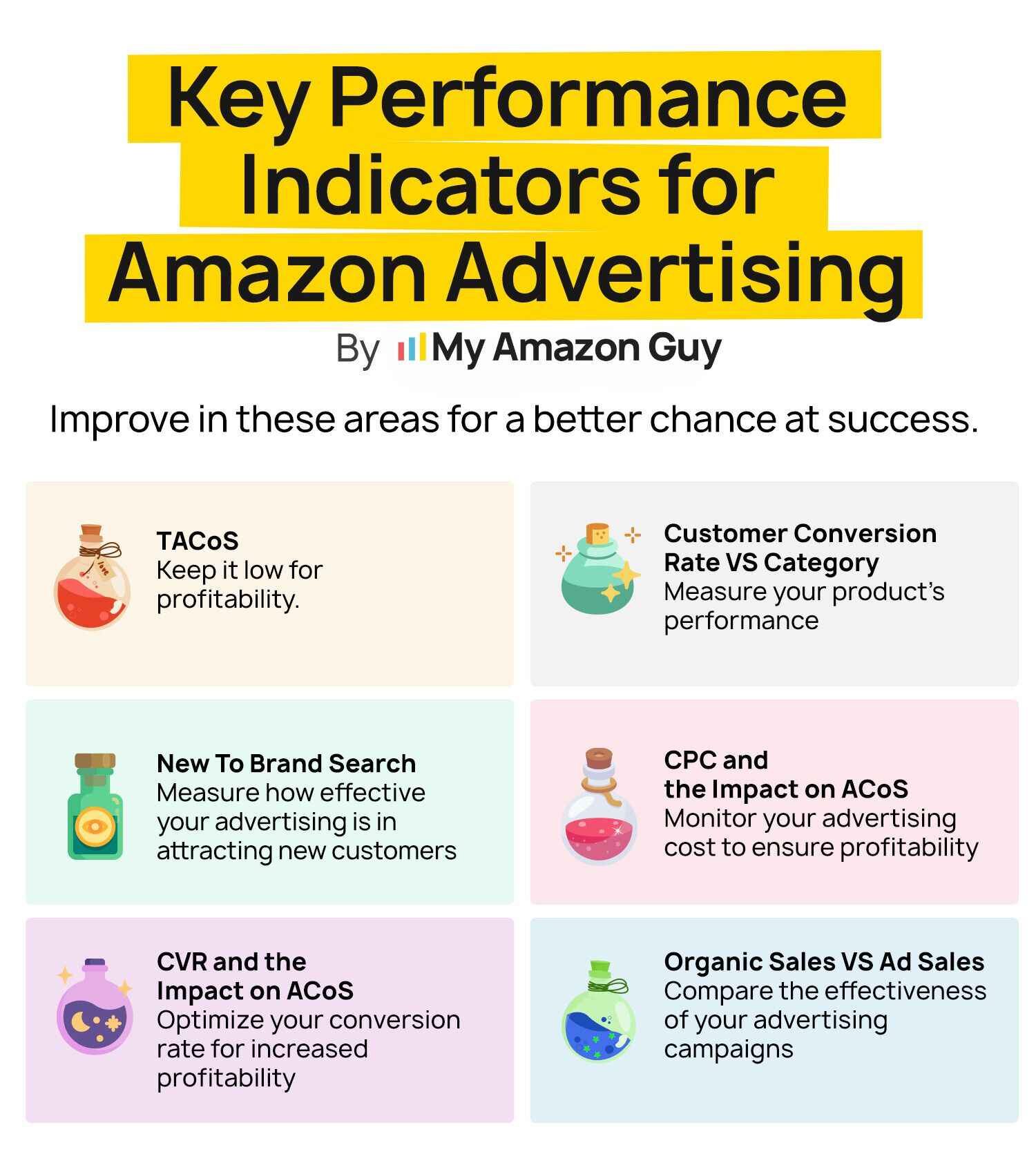
Key Performance Indicators for Amazon Advertising
FAQs About Amazon PPC Outsourcing
Is it worth outsourcing Amazon PPC for a new product launch?
Yes, if you can't commit daily hours to bids, search terms, and listing fixes for the first 90 days. Brands on Amazon's New Product Campaigns hit 1,000 units in 46 days versus 75 days on other plans, which shows how much structure speeds a launch.
How much does it cost to outsource Amazon PPC?
At $10,000 a month in ad spend, a typical 10% to 20% management fee comes to $1,000 to $2,000 a month. Launch-only engagements run higher, with some agencies quoting $3,000 to $15,000 before ad spend.
Can I run Sponsored Brands for a single-product launch?
Yes, once your brand is in Brand Registry, you can run a single-product Sponsored Brands video that sends shoppers to the detail page. Amazon reports brand owners using Sponsored Brands saw 23% higher sales after 13 weeks.
What should my PPC agency report during a launch?
Ask for weekly numbers on organic rank for your target keywords, TACoS, conversion rate, and the search terms moved into exact match. A 60% ACoS in week two can be healthy if organic rank is climbing, so ACoS alone never tells the full story.
Will outsourcing Amazon PPC help my organic ranking?
It should, because ad-driven sales on a keyword help your listing rank for that keyword organically. Amazon says ASINs saw an average 30% increase in glance views within a year of starting Sponsored Products.
Should the agency that launches my product also manage it after launch?
Usually yes, because the team that built the keyword map and early data can scale winners without a costly relearning period. If you do switch, get the campaign structure, search term history, and target keyword list in writing first.
Outsource Amazon PPC and Watch Your Business Thrive
Outsourcing Amazon PPC makes sense once your campaigns stall, eat up your time, or outgrow your skills, and it pays off fastest during a product launch. The right partner depends on your needs, whether that’s a freelancer for a small catalog, an ad agency for scale, or a full-service team that fixes your listing and ads together.
For launches, start with Sponsored Products on day one, add Sponsored Brands once you qualify, and grade results on organic rank and TACoS instead of ACoS alone. Whoever you hire, set clear goals, demand weekly reports, and review results against the plan before each new quarter.
Ready to take your Amazon business to the next level? Contact our full-service Amazon agency today to outsource not only Amazon ads but all aspects of Amazon account management.
Over 400 brands trust our team with ads, listings, and catalog work under one roof.