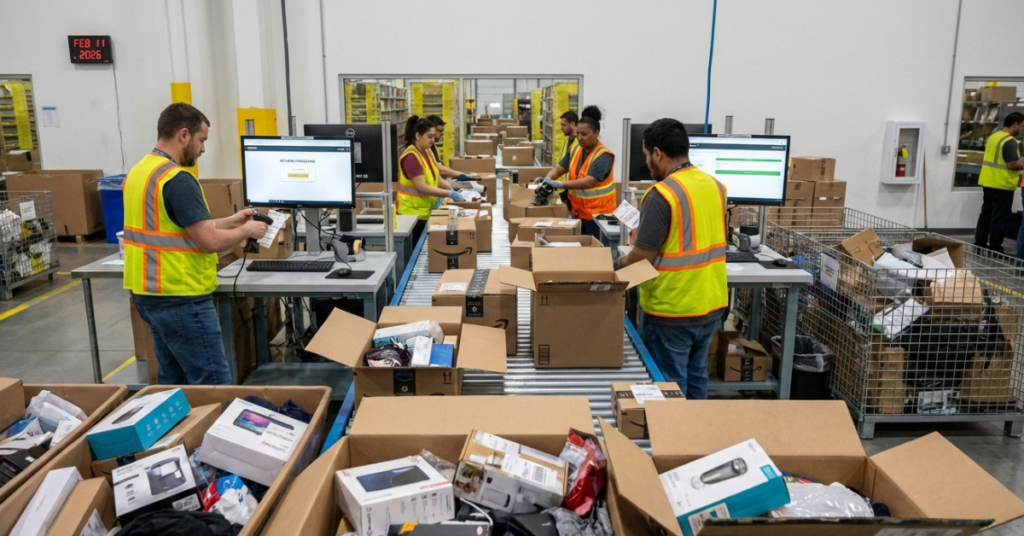
Do you ever wonder what happens to the Amazon product returns when a customer changes their mind or claims the item was not what they expected? Can sellers actually do something with the Amazon product returns instead of watching them turn into pure loss?
According to a survey, 92% of consumers will buy again if the product return process is easy, and Amazon knows this, which is why they make returns simple and fast for shoppers. So it cannot be avoided that when sellers decide to sell on the platform, they will have to deal with Amazon product returns as part of their daily business.
When sellers see those returns coming in, they often assume the inventory will just be wasted and that the whole situation will cost them more money on top of the refund. However, is that really true, or are there real options that can help sellers recover value from those returned units?
In this article, our Amazon agency explains what happens to Amazon product returns and how sellers can manage them to recover value and minimize losses. We also discuss strategies to reduce return damage, track trends, and protect profits from unsellable or damaged items.
Table of Contents
Turn Returns Into Revenue Opportunities
Every returned product can have potential value if managed correctly. Learn how to resell, liquidate, or repurpose items to benefit your business.
Why Sellers Should Keep Track of Their Amazon Product Returns
Most sellers track returns because they worry about losing profit, but that is not the only reason to pay attention. Returns affect more than just revenue since they can impact account health, inventory, and customer satisfaction.
Monitoring returns helps sellers recover reimbursements for damaged or missing items and detect fraudulent behavior. It also gives insight into which products or listings are causing problems, so improvements can be made.
Keeping an eye on return data helps manage unsellable inventory efficiently and resolve customer issues before they turn into negative reviews. Tracking also protects your listings from the “frequently returned” badge and provides actionable feedback to improve future products.
What Happens to Amazon Product Returns
Once a customer initiates a return to Amazon, their item is processed through a series of steps to determine its condition and next destination. The path depends on whether the product is fulfilled by Amazon (FBA) or by the seller (FBM), with each following its own process.
1. Customer Returns the Item
The customer drops off the item at an Amazon location, such as Whole Foods, Amazon Fresh, or a partner store. Prepaid labels make returns fast and convenient for most shoppers.
2. Item Arrives at an Amazon Facility or Seller
FBA items are sent to a fulfillment center, while FBM items go back to the seller’s address. The returned product is logged and prepared for inspection.
3. Inspection of the Returned Product
Amazon examines both the packaging and the product for damage or signs of use. Each item is assessed to determine if it meets the standards for resale.
4. Processing and Sorting
Returned items are sorted based on condition, category, and eligibility for resale. Products may be restocked, sent to liquidation centers, or moved to donation or recycling programs.
5. Refund Processing
Amazon issues refunds to the customer once the return is scanned and processed. For FBA items, this often happens immediately, while FBM items follow the seller’s processing timeline.
6. Data Recording and Tracking
All returns are logged in Amazon’s system with condition notes and reason codes. This helps Amazon manage inventory, reuse products efficiently, and minimize waste.
Maximize Value From Returned Products
Don’t let returns drain your profits. Discover strategies to recover value and reduce losses.
What Can Sellers Do With Amazon Product Returns
Although most sellers think the only option for Amazon product returns is to dispose of them, that’s not the case. Returned products can follow several paths depending on their condition and type.
A. Resell as Used or Open Box
Items that are still functional can be inspected, graded, and resold through Amazon’s used or open-box listings. This gives the product a second life without being discarded.
B. Liquidation
Products that are difficult to resell or low in value can be sent to liquidators. These items are sold in bulk rather than being stored or thrown away.
C. Return to Seller
Returned items can be sent back to the original seller. This allows them to be inspected, repaired, or repurposed before any further action.
D. Donation
Products that are still usable but cannot be sold may be donated to charity through Amazon’s donation programs. This ensures they are put to good use instead of being wasted.
E. Disposal or Recycling
Items that are damaged, unsafe, or unsellable can be disposed of or recycled responsibly. This minimizes waste while handling products that cannot be reused.
How Smart Sellers Reduce Amazon Product Return Damage
Amazon sellers who experience returns often face lost revenue, damaged inventory, and additional operational headaches, which is why it’s important to follow strategies that protect both products and profits. By using these strategies, sellers can minimize damage, preserve product value, and improve the overall return process.
1. Test the Customer Experience
Placing an order yourself lets you see exactly what the customer receives and how the product is packaged. This helps identify packaging or product issues that could trigger returns before they happen.
By experiencing the product firsthand, you can catch potential flaws in assembly, instructions, or presentation. It also gives insight into whether the unboxing and delivery process meets customer expectations.
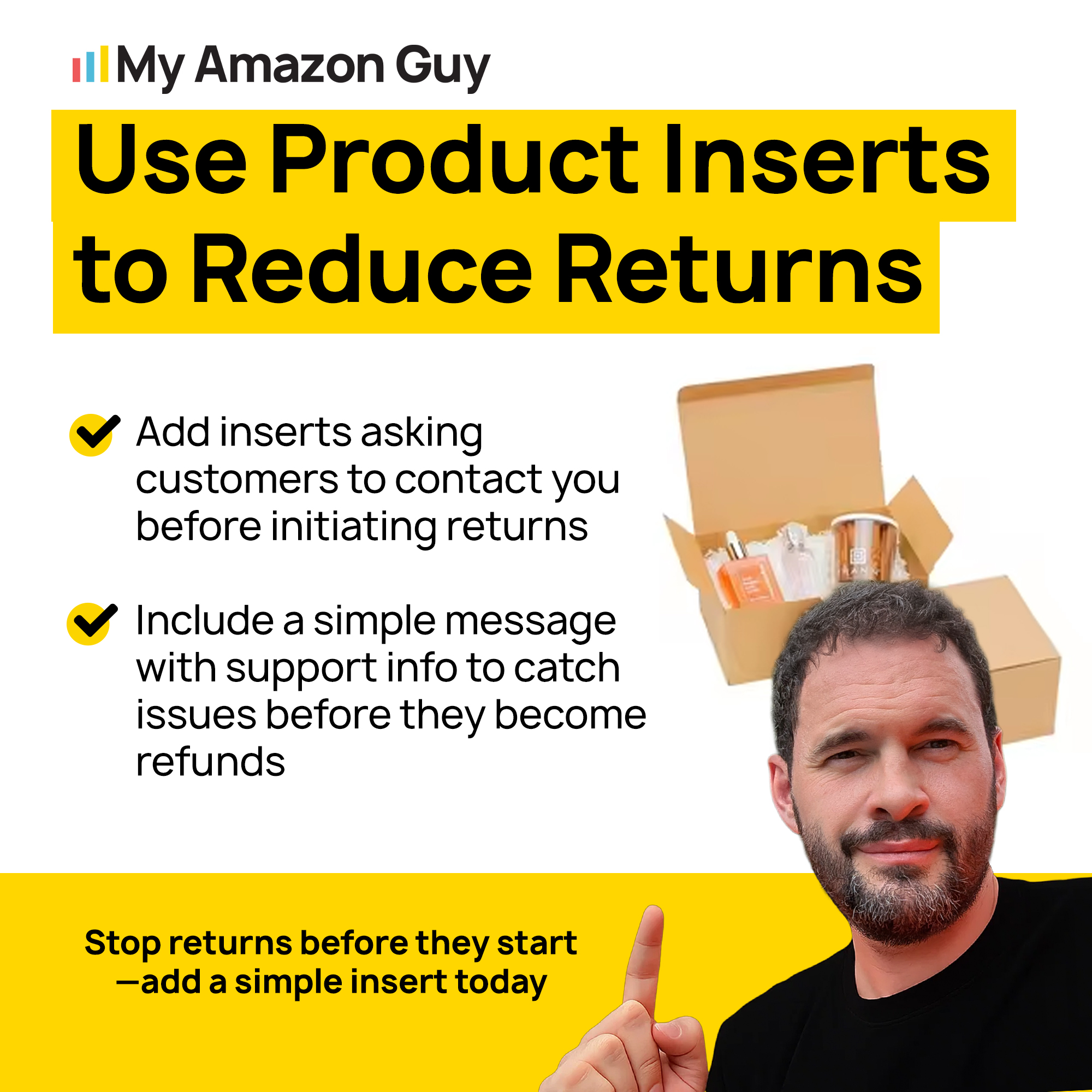
2. Include Product Inserts
Adding inserts with setup instructions, contact information, or troubleshooting tips guides customers in using the product correctly. Clear instructions often prevent unnecessary returns caused by confusion or misuse.
Inserts can also include reminders about warranty coverage or how to contact support. These small touches can build trust and reduce the likelihood of customers returning items prematurely.
3. Monitor Return Rates
Tracking return percentages regularly helps you spot unusual trends or spikes for specific products. Early detection allows you to address recurring issues before they escalate into larger problems.
Comparing your return rates against similar products in your category provides context for what’s normal. This insight can guide proactive improvements in product design, descriptions, or packaging.
4. Inspect Packaging and Handling
Ensuring items are securely packaged and protected during shipping prevents damage-related returns. Strong packaging reduces breakage, dents, and cosmetic issues that customers often cite as reasons for returns.
Reviewing packaging materials periodically helps you adapt to new shipping challenges. Even small adjustments, like padding or reinforced boxes, can significantly reduce return rates.
5. Use Return Settings Strategically
Amazon offers options like returnless resolutions and returned item evaluation settings to control which returns are sent back. Adjusting these settings appropriately ensures only items that can be resold or repaired make it back into inventory.
Strategic use of these settings can also minimize unnecessary reverse logistics costs. By controlling the flow of returned products, sellers maintain better oversight and reduce potential losses.
6. Control Damaged Inventory Ownership
Retaining ownership of damaged items instead of allowing Amazon to take control gives sellers decision-making power. This ensures you can repair, refurbish, or dispose of items on your terms.
By managing damaged inventory directly, you can recover more value from items that might otherwise be written off. It also prevents Amazon from automatically selling items in used condition without your approval.
FAQs About Amazon Product Returns
Does Amazon refund sellers when returned items are damaged during fulfillment?
Yes, Amazon reimburses sellers for items damaged during fulfillment if they are eligible under FBA reimbursement policies. Sellers must submit a claim within the required timeframe and provide proof of the damaged product.
Can sellers control what happens to returned products on Amazon?
Yes, sellers can adjust return settings in Seller Central, including returnless resolutions, returned item evaluation, and damaged inventory ownership. These settings let sellers decide whether items are sent back, evaluated, liquidated, or disposed of.
Are sellers required to accept all returns from Amazon customers?
Amazon sets the return policies for most orders, so sellers generally cannot refuse a return outright. However, using strategic settings like returnless resolutions or evaluating items for resale allows sellers to limit unnecessary reverse logistics costs.
Protecting Profits from Amazon Product Returns
Amazon product returns are not just a minor inconvenience because they can impact inventory management, customer satisfaction, and even erode your sales margins if left unchecked. Understanding the full return process, from when a customer initiates a return to how the item is processed and tracked, is the first step to regaining control and protecting your profits.
Learning what can be done with returned products gives sellers actionable options beyond simply taking a loss. Implementing strategies to reduce damage, optimize returns, and manage inventory helps preserve product value, which is why it’s crucial for sellers to stay proactive and informed.
Do you want to stop Amazon returns from cutting into your revenue? Contact our full-service Amazon agency and let us help you maximize recovery, minimize losses, and turn returns into opportunities for your business.
Stop Returns From Killing Margins
High return rates can quietly erode your bottom line. Implement proven tactics to reduce damage and keep more profit in your pocket.