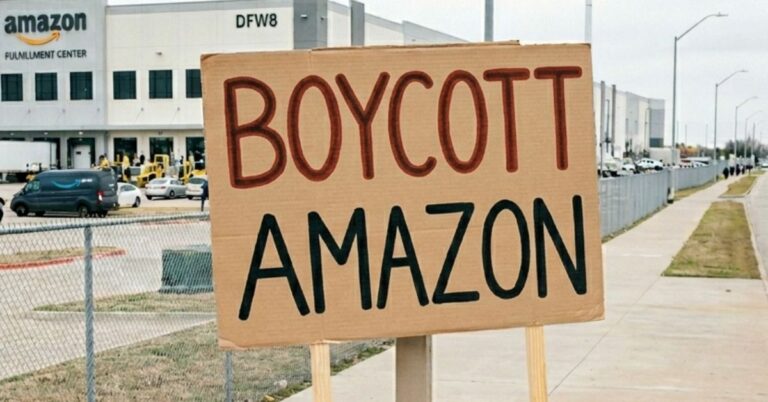
Amazon sellers boycott ads as Amazon’s new policy begins automatically deducting ad costs from seller proceeds, tightening cash flow, and removing key payout flexibility for advertisers.
Amazon’s latest policy update is forcing sellers to rethink how they fund advertising inside Seller Central. By tying ad costs directly to retail proceeds, Amazon is effectively compressing the time sellers have to reinvest revenue back into ads and inventory.
The boycott is gaining attention as more sellers realize the change impacts both profitability and operational control. Early reactions show concerns around forecasting accuracy and the ability to scale campaigns without cash flow interruptions.
Amazon Ad Payment Policy Shift Reshapes Seller Cash Flow
According to a CNBC article, Amazon has introduced a major Amazon ad policy update that changes how advertising costs are collected from sellers. Starting April 15, 2026, Amazon advertising spend will be automatically deducted from seller proceeds before disbursements are released.
This update alters the structure of Amazon seller payment systems by removing the previous reliance on credit cards as the primary billing method. Credit and debit cards will now only serve as backup payment options if seller proceeds are not enough to cover ad costs.
The change was first shared through Seller Central notifications and quickly circulated among sellers and every major Amazon agency tracking marketplace updates. The boycott began gaining attention as sellers and agencies analyzed the immediate impact on cash flow and payout timing.
Key operational changes announced include:
- Advertising costs are deducted directly from retail proceeds before payout
- Credit cards are used only when proceeds cannot cover ad spend
- Immediate impact on mid-month disbursements instead of end-of-month billing cycles
- Reduced working capital flexibility for ad spend, inventory, and promotions
Sellers Escalate Response as Boycott Gains Momentum
Hundreds of large merchants paused campaigns as Amazon sellers boycotting ads gained traction, targeting the platform’s advertising system for a 24-hour protest. The action was organized by a private seller community representing more than 700 members and roughly $14 billion in combined annual revenue, as reported by MediaPost.
The surge in Amazon sellers boycotting ads reflects mounting frustration tied to multiple policy shifts affecting profitability. These include changes to advertising payments, a temporary 3.5% fuel surcharge, and new payout structures that sellers say are tightening margins.
Sellers are also reacting to a revised disbursement timeline, where proceeds are released seven days after delivery rather than shipment, adding pressure alongside the broader Amazon payout delay. The combination of these updates has intensified concerns about cash flow stability and the ability to cover operating costs such as payroll and supplier payments.
| Policy Change | Reported Seller Impact |
|---|---|
|
Auto-deduction of ad costs |
Reduced control over ad spend timing |
|
3.5% fuel surcharge |
Increased cost of goods and pricing pressure |
|
Payout timing shift |
Slower access to revenue and tighter cash flow |
The coordinated pause in advertising signals a broader shift in sentiment as sellers reassess their position within the marketplace. While Amazon maintains that some updates align with existing systems used by other sellers, the growing backlash highlights increasing tension between platform policies and seller sustainability.
Sellers Continue Pushback After Amazon Ad Payment Change Goes Live
Amazon’s new advertising payment system was already moved to a later date after earlier seller complaints tied to the boycott. The rollout followed a period of feedback from merchants concerned about how the change would affect cash flow and ad funding.
The policy now deducts Amazon ad spend directly from seller proceeds before disbursement is issued. Rachel Wolf from EMARKETER stated that sellers say this reduces flexibility in managing budgets and creates tighter liquidity across daily operations.
Amazon has kept alternative billing options available, including account balance payments and Pay by Invoice through the Ads Console. Under invoice billing, advertisers receive a monthly bill with payment due 30 days after charges are issued.
As of now, Amazon sellers boycotting ads continues across seller communities even though the policy is already in effect. The boycott reflects ongoing disagreement from sellers who say the Amazon seller payment change is still affecting advertising stability and cash flow planning.