Did you make sure that the products you plan to sell do not fall under the Amazon restricted product categories? If not, you could be facing an uphill battle since getting approval for these categories can be complicated and time-consuming.
Just like any marketplace, Amazon has its own set of rules that protect both sellers and customers. One of the most important rules is that certain products cannot be sold freely without approval because they require extra verification.
There are specific products that require extra checks on Amazon because of safety, legal, or regulatory reasons. This is why Amazon restricts some categories and prevents sellers from listing items until they meet the necessary requirements.
This guide talks about the Amazon restricted product categories and how sellers can get approval to sell gated items. Our Amazon agency will also cover step-by-step ungating strategies, best practices, and tips to increase approval success.
Struggling With Gated Categories?
Getting ungated can be confusing and time-consuming if you don’t know what Amazon wants.
What Are Restricted Products on Amazon
Amazon hosts over 600 million products, but not every item can be sold freely. Restricted products are those that require special approval or are outright banned to ensure customer safety, legal compliance, and overall platform integrity.
These products include high-risk or highly regulated items such as drugs, medical devices, alcohol, weapons, certain electronics, and some cosmetics. Amazon limits these items because they can pose health risks, safety hazards, or be prone to fraud and counterfeiting.
Sellers must meet strict requirements, provide proper documentation, and follow all applicable laws before listing restricted products. This system helps protect buyers from unsafe or illegal goods while maintaining trust in the marketplace.
Why Are There Product Restrictions on Amazon
Amazon has a bunch of valid reasons why it implements product restrictions. The company doesn’t just do this to make the selling process harder for sellers.
- Amazon restricts products to keep customers safe from harmful or unsafe items.
- Restrictions ensure sellers follow legal and regulatory requirements.
- They protect brands from counterfeit or unauthorized sales.
- They maintain trust and integrity across the marketplace.
- Amazon requires sellers to demonstrate reliable account performance.
- High-risk or high-value categories are controlled to prevent fraud.
- Hazardous or specialized products are managed safely in fulfillment centers.
What Are the Amazon Restricted Product Categories
The Amazon restricted product categories are areas that require special approval before selling. These categories are gated because they involve high-risk, regulated, or sensitive products, ensuring customer safety and legal compliance.
Level 1: Category Restrictions (Gated Categories)
These categories require approval before you can list any products in the entire niche. Amazon restricts these areas because they involve safety risks, legal compliance, or high rates of counterfeiting.
- Consumables: Food, beverages, wine, dietary supplements. Restricted for health and safety.
- High-Value and Rare: Fine art, collectible coins, jewelry, watches. Restricted to prevent fraud.
- Professional and Industrial: Postage meters, B2B supplies, certain chemicals. Restricted to verify compliance.
- High-Risk and Safety: Automotive parts, medical devices, CPAP devices, electronics, laser products. Restricted to prevent harm.
Level 2: Brand Restrictions (Gated Brands)
Even if you have category approval, some brands are blocked unless you are an authorized reseller. This protects brand reputation and prevents counterfeit products.
- Luxury Brands: Louis Vuitton, Prada, Rolex, Chanel
- Popular Retail Brands: Nike, Adidas, Under Armour, Apple, Bose
- Toy Giants: Lego, Mattel, Hasbro, Disney, Funko
- Beauty Brands: L’Oréal, MAC, Clinique, CeraVe
Note: You cannot list these brands as new products without official invoices or authorization, even if you have category approval.
Level 3: Product-Specific Restrictions (ASIN Level)
Amazon may block a specific product even if you have category and brand approval. This usually applies to items with safety, compliance, or legal concerns.
- Hazmat and Dangerous Goods: Lithium batteries, flammable liquids, aerosols. Restricted for safety.
- Children’s Products: Toys, apparel, or footwear for kids under 12. Restricted for safety certification.
- Laser Products: Laser pointers and measurement tools. Restricted for safety compliance.
- Other Restricted Items: Tobacco, alcohol, surveillance equipment, recalled products, offensive materials. Restricted for legal and safety reasons.
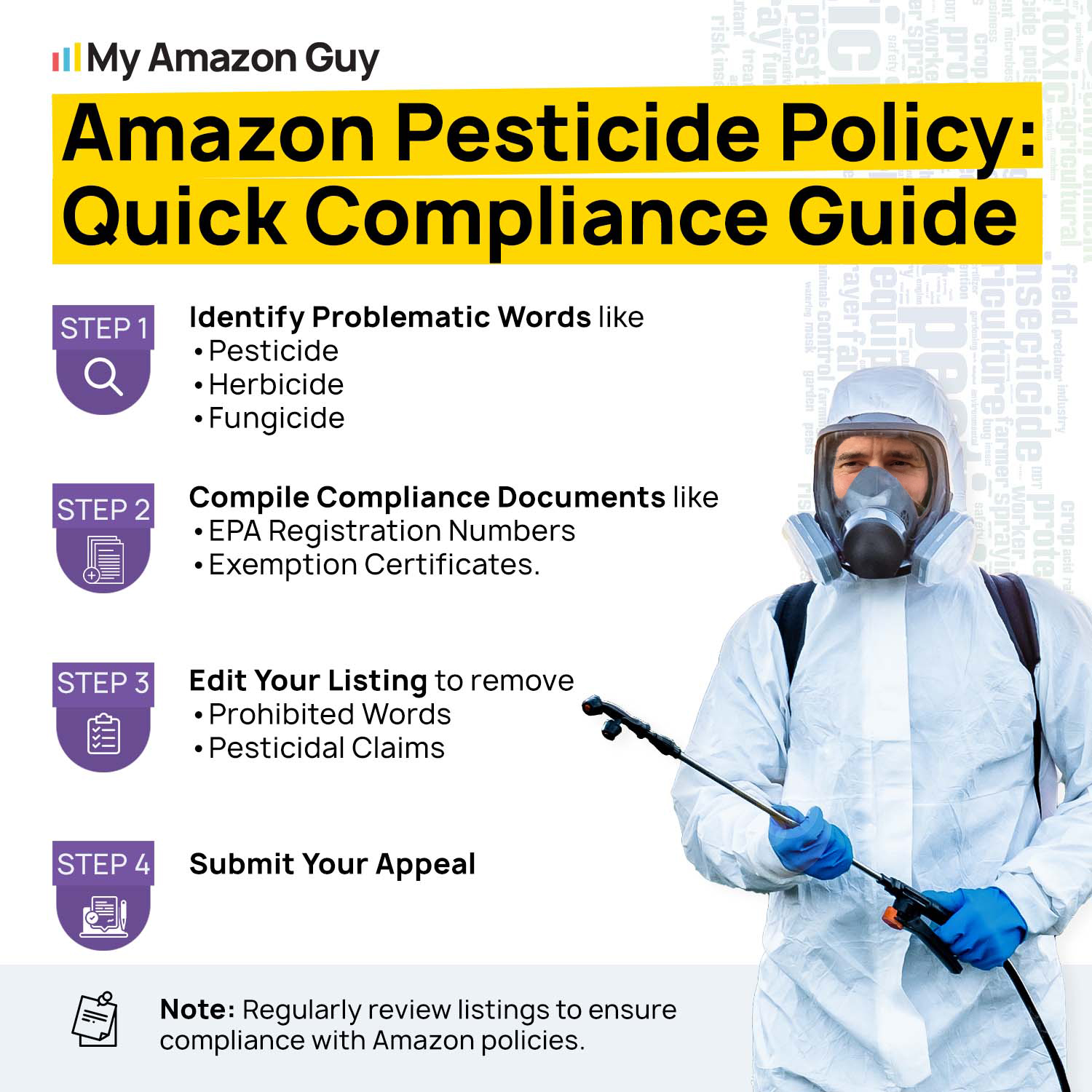
- Pesticides: Products that kill, repel, or control pests. Restricted for compliance.
Stop Guessing Amazon Approval Requirements
Our team helps sellers submit the right documents the first time to avoid repeat rejections.
How to Get Approved for Selling Amazon Restricted Product Categories
When some sellers find out that their products fall under the Amazon restricted product categories, they give up on selling certain items and look for other ways to grow their business. We understand that the struggle to get ungated can be frustrating, but there are ways to get approved on Amazon, even if the process takes effort and proper preparation.
Steps to Get Approved for Amazon Restricted Product Categories
The process can seem complicated, but as long as sellers follow the correct steps carefully, they can successfully get approved to sell restricted items. Preparation, proper documentation, and understanding Amazon’s requirements are key to improving your chances.
Step 1: Build Your Seller Reputation
Start by selling in open categories to build positive feedback and maintain low defect rates. Amazon looks for professional performance metrics, so ensure your Order Defect Rate is below 1% and Late Shipment Rate is under 4%.
Step 2: Identify and Understand Requirements
Check the “Add a Product” tool in Seller Central for the item you want to sell and click “Show limitations”. This will show the exact documentation and approvals required, such as invoices, certifications, or brand approvals.
Step 3: Source Ungating Inventory
Purchase at least 10 units from a legitimate manufacturer or licensed distributor. Make sure your invoice is accurate, dated within 90 days, includes your business info, supplier contact info, and product details.
Step 4: Prepare Documentation and Apply
Gather all required documents, including invoices, safety or compliance certificates, and brand approvals if necessary. Submit your application in Seller Central by going to “Add a Product”, finding the item, clicking “Show limitations”, and uploading your documents.
Step 5: Monitor and Reapply if Needed
Check the status of your application regularly in Seller Central. If your request is denied, review Amazon’s feedback, fix the issues, and resubmit the application with corrected documentation.
Tips for Getting Approved for Amazon Restricted Product Categories
Although getting approved for Amazon restricted categories can be difficult, if you do it the right way, the result can open up higher-trust, higher-margin selling opportunities. It’s important to follow best practices to improve your chances and avoid unnecessary delays or rejections.
1. Maintain a Strong Seller Account
Amazon favors sellers with established accounts, low defect rates, and good customer feedback. Keep your Order Defect Rate below 1% and Late Shipment Rate under 4% to show reliability.
2. Source Inventory from Legitimate Suppliers
Always buy from recognized manufacturers or licensed distributors rather than retail stores or liquidators. Ensure invoices are complete, accurate, and match your business information in Seller Central.
3. Prepare Complete and Accurate Documentation
Include all necessary paperwork like invoices, certificates, and brand authorization letters. Make sure documents are legible, dated, and meet Amazon’s quantity requirements to avoid rejection.
4. Review and Optimize Your Listing
Keywords, titles, and descriptions can sometimes trigger gating errors or compliance flags. Check for prohibited terms and ensure all content accurately represents your product to prevent automatic restrictions.
5. Understand Category-Specific Requirements
Some products may trigger additional compliance checks, like pesticides or hazmat items. Research the exact rules for your category and follow them precisely, including tests or certifications if required.
FAQs About Amazon Restricted Product Categories
What are the restricted categories on Amazon?
Restricted categories are product areas that require special approval before you can sell in them. Amazon limits these categories to protect customers, comply with laws, and prevent fraud or unsafe products.
Are there fees associated with selling in restricted categories?
There are no direct fees to apply for approval, but you must have a Professional Seller account. You may also need to purchase inventory or obtain certifications to meet Amazon’s requirements.
How do I get approval to sell gated products on Amazon?
You need to submit an application through Seller Central and provide proper documentation, like invoices, certificates, or brand authorization. Following the correct steps and meeting all requirements increases your chances of being ungated.
Overcoming Selling Restrictions on Amazon
Selling on Amazon is already challenging on its own, but dealing with gated products adds an entirely new layer of complexity. This is why sellers should understand which categories are restricted and why Amazon implements these rules to protect customers and maintain compliance.
By knowing the steps to get approval and following best practices, sellers can increase their chances of being ungated and access high-value, less-competitive categories. Preparing invoices, meeting performance metrics, and submitting proper documentation are key to navigating the process successfully.
Need help getting approved for restricted products? Contact our full-service Amazon agency and let our experienced team guide you through the ungating process so you can start selling confidently on Amazon.
Don’t Let Amazon Restrictions Limit Your Growth
Our full-service Amazon agency helps brands unlock restricted categories and scale safely.