Are you planning on starting an Amazon business but can’t decide which model is right for you? If you’re still unsure, you should consider Amazon dropshipping since it allows you to sell products without holding inventory or managing a warehouse.
Although Amazon is best known for its FBA model, there are several ways sellers can run their business depending on goals, resources, and risk tolerance. Choosing the right model can be overwhelming, but one option that many new sellers explore is Amazon dropshipping.
Amazon dropshipping is appealing because of its low upfront costs and the ability to test products quickly. Still, many sellers avoid it or fail because they don’t fully understand Amazon’s strict policies and the challenges of managing suppliers.
This guide is all about how to start Amazon dropshipping the right way. Our Amazon agency will walk you through the essential steps and strategies to build a successful dropshipping business on Amazon while staying compliant and protecting your account.
Table of Contents
Start Your Amazon Dropshipping Journey
Learn how to sell products without holding inventory and grow your business effectively.
What Is Amazon Dropshipping and How Does It Work?
Dropshipping on Amazon is a method where you sell products without storing them yourself. When someone orders, you buy the product from a supplier who ships it straight to the customer, letting you start your business without a heavy upfront investment.
This business model can be appealing for new Amazon sellers because it removes the need to manage warehouses or pre-purchase stock. In fact, around 34% of Amazon sellers use dropshipping as their primary fulfillment method, making it one of the most popular ways to get started on the platform.
While the process seems simple, success requires careful coordination with suppliers and attention to Amazon’s strict policies. Understanding how Amazon dropshipping works is essential to building a profitable and compliant business.
The Benefits of Amazon Dropshipping
There are several reasons why Amazon sellers choose Amazon dropshipping, and understanding these can help you decide if this business model fits your goals. Knowing the advantages upfront makes it easier to weigh the opportunity against the risks.
- Low upfront costs since you only pay for products after a sale
- No need to manage inventory, storage, or shipping
- Ability to test and sell a wide variety of products quickly
- Faster store setup compared to other Amazon business models
- Freedom to run your business from anywhere
The Drawbacks of Amazon Dropshipping
Just like any business model, Amazon dropshipping comes with risks that can catch new sellers off guard. Learning about these drawbacks beforehand can help you prepare, so you aren’t surprised by challenges that affect profits, compliance, or customer satisfaction.
- High competition makes it difficult to stand out, often leading to lower profit margins
- Limited control over product quality can result in bad reviews or returns
- Slower shipping times compared to Amazon Prime can hurt conversion rates
- Cash flow challenges due to delayed payouts and longer fulfillment times
- Strict Amazon policies increase the risk of account suspension
How to Start Dropshipping on Amazon
Starting a dropshipping business on Amazon can be as simple as long as you follow the right steps. Here’s a straightforward guide to get your store up and running.
Step 1: Create an Amazon Selling Account
Sign up for an account through Amazon Seller Central by providing your business details, payment method, and tax information. This account will allow you to list products, manage orders, and track your sales.
Step 2: Get Category Approval (if needed)
Some product categories on Amazon require approval before you can list items, so check if your products fall under these restrictions. Getting approved ensures you comply with Amazon rules and can legally sell your chosen items.
Step 3: Find Products to Dropship
Decide which products you want to sell and confirm they are suitable for dropshipping, avoiding items with special handling or restrictions. Choosing the right products sets the foundation for a profitable store.
Step 4: Find a Dropshipping Supplier
Connect with a supplier who can fulfill orders on your behalf and ship directly to customers. Make sure the supplier is reliable and familiar with Amazon’s requirements.
Step 5: List Products on Amazon
Create product listings with accurate titles, descriptions, images, and prices in your Amazon seller account. Proper listings help customers find your products and make informed buying decisions.
Step 6: Manage Order Fulfillment with Your Supplier
Once a sale is made, forward the order information to your supplier so they can deliver the product directly to the customer. Proper coordination ensures timely delivery and maintains your seller performance metrics.
Scale Your Dropshipping Store Efficiently
Work with our experts to optimize listings, marketing, and sales growth.
Proven Strategies to Succeed with Amazon Dropshipping
Even though dropshipping on Amazon can be profitable, it often fails if sellers don’t follow a clear strategy. Implementing proven approaches helps reduce risks, stay compliant, and grow a sustainable business.
1. Target Prime Coverage Gaps
Focus on product categories or items that Amazon’s 2-day Prime fulfillment struggles to cover, such as large, bulky, or highly specialized goods. Selling in these gaps reduces competition and increases your chance of making a sale.
2. Optimize the Price-to-Patience Ratio
Offer prices low enough that customers are willing to wait 5-7 days instead of choosing faster Prime shipping. This often means pricing 15% or more below Prime competitors while ensuring your margins are sustainable.
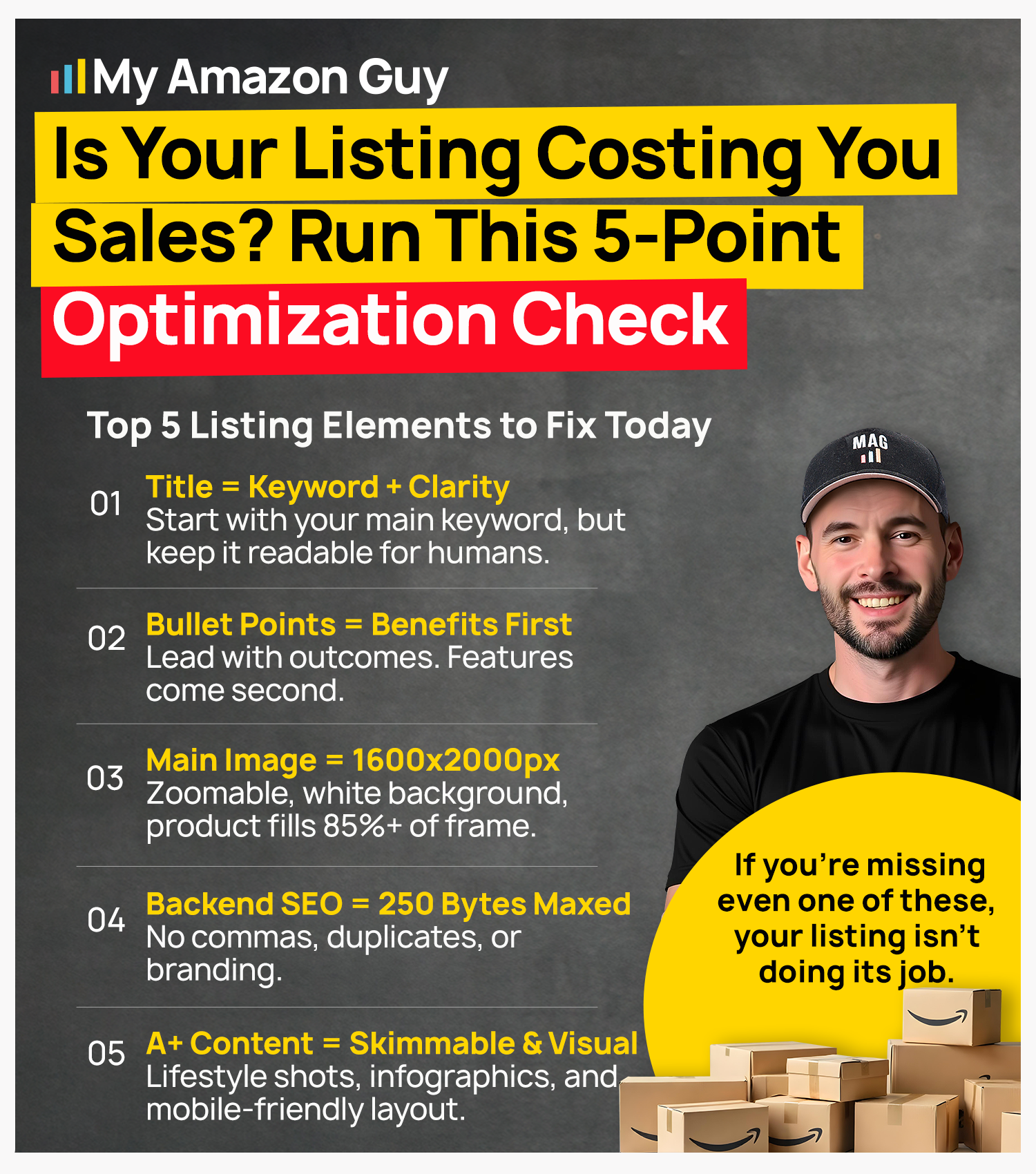
3. Create High-Quality Listings
Use clear titles, accurate product details, and visuals that showcase your product effectively. Well-crafted listings increase conversion rates and reduce customer confusion or returns.
4. Use Brand-Authorized Dropshipping
Work directly with brands to get a Letter of Authorization (LOA) to sell their products. This protects you from mass competition and keeps your listings visible on Amazon without being suppressed by AI-driven algorithms.
5. Ensure Seller of Record Compliance
Always appear as the official seller on packaging, invoices, and tracking information. This prevents account suspension and keeps you in compliance with Amazon’s dropshipping policies.
6. Plan for Cash Flow Delays
Amazon now holds funds for about 7 days after delivery confirmation, which can extend your cash cycle to 14-18 days. Maintaining sufficient cash reserves ensures you can cover orders and keep operations running smoothly.
7. Price Competitively with Healthy Margins
Calculate all fees and aim for a profit margin between 15-30%. Proper pricing ensures your business stays profitable even when offering discounts to compete with Prime.
8. Build a Recognizable Brand
Even with dropshipping, branding your products helps differentiate you from competitors. Adding your brand identity to packaging and marketing builds customer loyalty and recognition.
9. Win the Buy Box
Maintain a strong seller rating, consistent fulfillment, and good sales history to improve your chances of winning the Buy Box. Being featured in the Buy Box significantly boosts visibility and sales.
10. Use Multiple Marketing Channels
Promote your products beyond Amazon using social media ads, influencer marketing, and SEO-optimized websites. Diversifying your marketing increases traffic, drives sales, and builds a stronger presence outside Amazon.
FAQs About Amazon Dropshipping
Is dropshipping on Amazon allowed?
Yes. Amazon permits dropshipping if you comply with their rules, act as the seller of record, and ensure packaging doesn’t include third-party branding.
Can I use any supplier for Amazon dropshipping?
No, you must use suppliers who allow you to be the seller of record and provide neutral or branded-free packaging. Using suppliers that ship products with another company’s name can lead to account suspension.
Do I need a special account or approval to start dropshipping?
You just need a standard Amazon seller account, but some product categories may require approval before listing. Make sure your account is fully verified to comply with Amazon’s rules.
Take Your Amazon Business to the Next Level
Amazon sellers have a variety of business models to choose from, each with its own benefits and challenges. Within the range of business models available, dropshipping provides a way to begin selling on Amazon with minimal upfront costs and without managing inventory.
With dropshipping, sellers can focus on finding the right products, building relationships with suppliers, and managing listings and customer service. Success comes down to following Amazon’s rules and implementing proven strategies to stay competitive and profitable.
Still confused about how to start an Amazon dropshipping business the right way? Reach out to our full-service Amazon agency and let our experts guide you through setup, compliance, and scaling for maximum results.
Maximize Profits with Expert Advice
Our team can guide you to choose products, suppliers, and pricing for success.