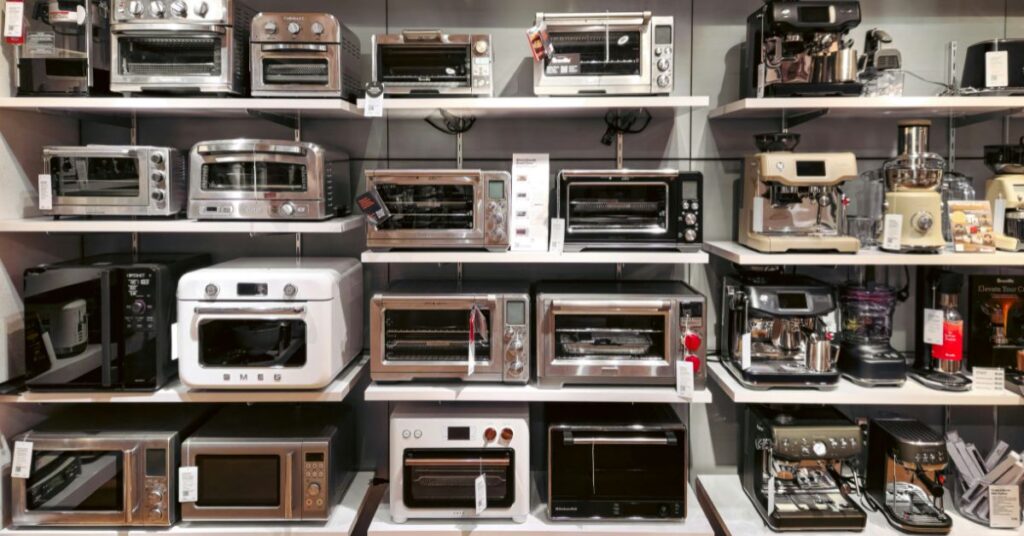
Deciding whether it’s worth selling home appliances on Amazon? If you don’t, your competitors are quietly thanking you for missing out on the platform’s 2 billion monthly visitors.
When it comes to buying home appliances, Amazon is the first website most consumers think of, since nearly every major brand sells there. With that kind of traffic, selling on the platform is a no-brainer for brands aiming to increase visibility and attract new customers.
However, success in the Amazon home appliance category isn’t automatic since competition is fierce and the market is crowded. That said, with the right strategy, optimized listings, and operational setup, home appliance brands can still stand out and drive profitable sales.
In this guide, our Amazon agency will walk you through everything you need to know to sell home appliances on Amazon successfully. From category requirements to proven strategies and real brand examples, you’ll see how to turn your Amazon presence into a profitable channel.
Table of Contents
Get Expert Help Selling Appliances
Work with specialists who understand Amazon home appliance compliance, logistics, and scaling strategies.
The Ever-Growing Market of the Home Appliance Product Category
The home appliance market is one of the most profitable sectors for brands, with consistent demand throughout the year. Consumers are always looking for the latest appliances, making this category a strong opportunity for online sellers.
It’s no surprise that Amazon’s home appliance category is also growing rapidly. By 2026, nearly 30% of total household appliance revenue is expected to come from online sales, showing that brands can reach millions of buyers if they enter the platform strategically.
Pros and Cons of Selling Home Appliances on Amazon
Just like any other category, selling in the Amazon home appliance product category comes with its pros and cons. Knowing these can help sellers decide whether selling on Amazon with this category is the right move.
Benefits of Selling Home Appliances on Amazon
- Reach millions of potential buyers every day.
- Products with Prime shipping often sell faster.
- Fulfillment by Amazon handles storage, shipping, and large appliance logistics.
- Lower referral fees for full-size appliances help protect profit margins.
- Advertising and analytics tools boost visibility and sales.
Drawbacks of Selling Home Appliances on Amazon
- High referral fees, storage, and shipping costs can reduce profits.
- Competition is intense, often causing price wars.
- Customers are loyal to Amazon, not your brand.
- Strict policies can lead to account suspension if not followed.
- Large appliances have high return rates and costly processing.
Key Selling Policies for Amazon Home Appliances
Amazon has policies in place to protect both its shoppers and sellers, and complying with them is essential to avoid account issues or lost revenue. For home appliances, there are specific conditions you must meet, and knowing these rules is key to selling successfully without penalties.
A. Safety Certifications
All electrical appliances sold on Amazon must have UL, ETL, or CSA certification to meet safety standards. Selling uncertified products can lead to listing removal or account suspension.
B. Energy Labels
Appliances must display the EnergyGuide label to inform customers about energy use. Any Energy Star claims require a valid certification to verify the claim.
C. Packaging Photos
Sellers must upload clear photos of all six sides of the product packaging. This helps Amazon check safety warnings, labels, and proper product information.
D. Return Rate Limits
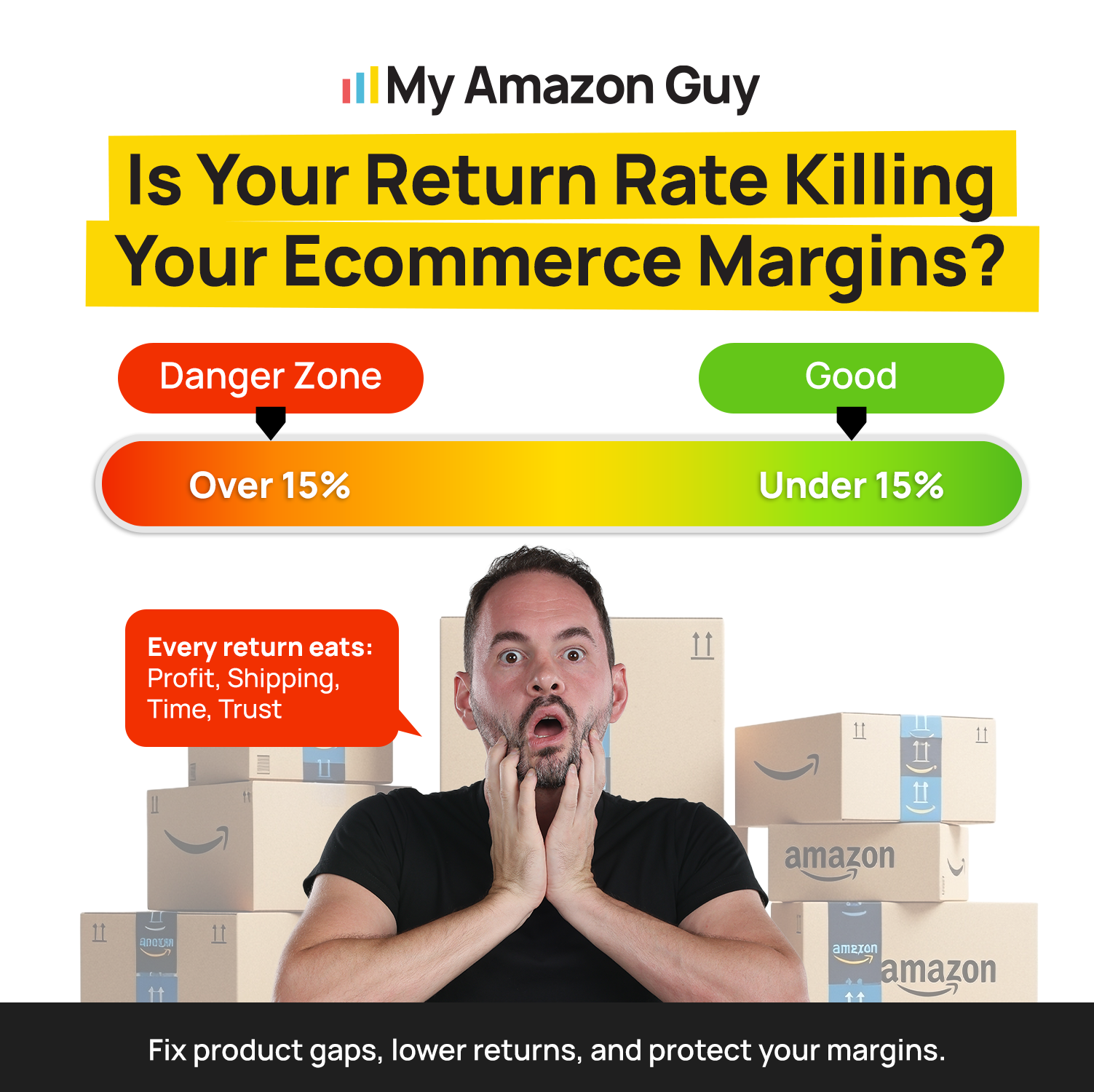
Full-size appliances must keep return rates under 11.9%, and compact appliances under 12.6%. Exceeding these limits results in additional fees for returned units.
E. Payout Policy
Amazon holds funds for up to 7 days after confirmed delivery under the DD+7 system. Large appliances with longer shipping times may delay access to your revenue for up to 2-3 weeks.
F. Fulfillment
You can use FBA or Local Selling to deliver appliances. FBA charges fuel surcharges, while Local Selling requires proper insurance and trained personnel for deliveries and installation.
G. Gated Products
The appliance category is gated, so you need Amazon approval to sell. Some brands, like Samsung or LG, also require a Letter of Authorization from the brand.
H. Refurbished Products
Refurbished appliances must have their condition clearly stated. Include manufacturer specifications and confirm that all products are fully functional.
Stop Losing Sales To High Returns
Reduce costly returns by fixing listing clarity, customer expectations, and product detail accuracy.
Proven Strategies for Selling Home Appliances on Amazon
Even with a great product, even the best home appliance sellers will struggle if they don’t apply the right strategies on Amazon. It’s important to understand what actually works for this category so you can stand out and drive consistent sales.
1. Optimize Listings for Real Shopper Questions
Buyers don’t always search with basic keywords; they ask specific questions. Your bullet points and descriptions should answer things like size, noise level, and use cases to match how people shop.
2. Offer a Strong Warranty
Home appliances are high-ticket items, so buyers look for protection before making a purchase. A clear warranty builds trust and reduces hesitation at checkout, since 67% of US consumers say it affects their buying decision.
3. Highlight Unique Selling Points
Most appliance listings look the same, which makes it hard to stand out. Call out specific features like noise level, energy savings, or space efficiency to give buyers a clear reason to choose you.
4. Use Amazon Listing Videos
Shoppers want to see how an appliance actually performs before they buy. A short video demonstrating real usage helps remove doubt and increases conversion rate.

5. Feature User-Generated Content
Customers trust real people more than polished brand content. Featuring UGC helps shoppers see your product in real-life use, which builds credibility and drives conversions.
6. Focus on Energy Efficiency and Certifications
Many shoppers filter by energy-saving features when buying appliances. Highlight certifications and estimated cost savings to make your product more appealing.
7. Manage Inventory to Avoid High Storage Costs
Large appliances take up space and can quickly rack up storage fees if they don’t sell. Monitor inventory closely and run promotions early to avoid long-term storage charges.
8. Invest in Amazon Ads
The appliance category gives you room to spend more on ads due to lower referral fees. Use Sponsored Products and video ads to show up on competitor listings and capture high-intent traffic.
Case Study: Amazon Home Appliance Category Strategy
A home appliance brand came to our Amazon agency, struggling to gain traction despite having quality products. Their listings were not converting, ad spend was inefficient with TACoS reaching 15-17%, and high return rates were cutting into profits.
We implemented a focused Amazon home appliance category strategy by improving listing content, adding product demo videos, and clearly highlighting key features that shoppers actually care about. We also restructured their advertising to target high-intent keywords and competitor listings while tightening inventory management to control costs.
Within months, the brand saw a 7% increase in overall sales while reducing TACoS to around 10%, making their ad spend far more efficient. This led to stronger organic rankings, fewer customer complaints, and a more profitable Amazon channel overall.
FAQs: Selling Home Appliances on Amazon
What are the different subcategories for Amazon home appliances?
Home appliances on Amazon are typically grouped into major appliances and small appliances. Major appliances include items like refrigerators and washing machines, while small appliances include products like blenders, air fryers, and coffee makers.
Do I need approval to sell home appliances on Amazon?
Yes, the home appliance category is gated, so you must get approval before listing products. Some brands also require a Letter of Authorization in addition to standard category approval.
Why do home appliances have high return rates on Amazon?
Home appliances often have high return rates because of shipping damage, sizing issues, or unmet expectations from buyers. Since these products are expensive and bulky, even small issues can lead to returns and additional fees for sellers.
Sell Smarter or Get Left Behind
Selling home appliances on Amazon is a major opportunity that many brands still underestimate. With strong demand and steady online growth, this category can drive serious revenue when done right.
That said, success doesn’t come easy because of competition, strict policies, and high customer expectations. This is why sellers need the right strategies, optimized listings, and solid operations to stay competitive and profitable.
Are you struggling to sell home appliances on Amazon or not getting the results you expected? Contact our full-service Amazon agency and let our experts help you grow and scale your brand.
Fix Your Amazon Appliance Listings
Turn weak conversions into consistent sales with optimized listings built for high-ticket home appliance shoppers.