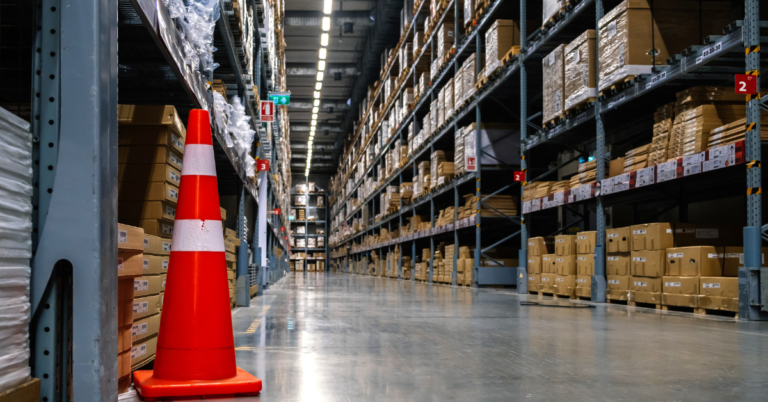
Amazon Warehousing and Distribution in Europe gives sellers a new bulk-storage layer across five markets, helping reduce FBA capacity pressure, stock-outs, and manual replenishment work.
Amazon is adding a new inventory layer between sellers and its European FBA network. The service is designed to hold larger quantities of eligible products in bulk and move inventory into fulfillment centers as demand requires.
Amazon Warehousing and Distribution in Europe gives sellers a way to keep reserve stock within Amazon’s logistics network without relying entirely on standard FBA capacity. The change could be especially relevant for brands selling across several European marketplaces, where inventory allocation and cross-border fulfillment can quickly become expensive.
Amazon Expands AWD Into Five European Markets
Amazon Warehousing and Distribution in Europe went live on August 20, 2026, in Germany, France, Italy, Spain, and the United Kingdom. According to Nova Analytics, the service gives sellers access to bulk, long-term storage upstream from FBA, with Amazon moving inventory into fulfillment centers as demand requires.
The launch gives sellers using AWD in Europe another way to manage inventory across multiple marketplaces without sending all bulk stock directly into FBA. Sellers can send larger quantities to an Amazon warehouse in Europe, where inventory can remain until it is needed for FBA replenishment.
Unlike standard FBA storage, AWD adds a separate storage layer that can automatically replenish fulfillment centers based on demand. Sellers still pay storage, processing, and transportation fees, making the program’s total cost an important consideration for any Amazon agency advising brands on European inventory planning.
The European launch also addresses a geographic challenge because sellers operating across the UK, Germany, France, Italy, and Spain have had to decide how much inventory to allocate to each market. By holding bulk inventory upstream and replenishing FBA networks as needed, AWD shifts that planning decision toward forecasting total inventory demand rather than predicting exact unit requirements for every country.
AWD Adds Another Layer to Amazon’s European Logistics Network
Ecommerce News reports that Amazon Warehousing and Distribution in Europe also gives Amazon sellers more flexibility to hold inventory without the same FBA capacity constraints. Its automated replenishment is intended to reduce manual restocking and the risk of stock-outs, which could be particularly useful during major sales periods such as Prime Day and Black Friday.
| AWD Europe Detail | What Sellers Should Know |
|---|---|
|
Storage |
Extended inventory storage with Amazon
|
|
FBA capacity
|
Inventory can be stored outside standard FBA capacity constraints
|
|
Replenishment |
Amazon automatically replenishes FBA based on demand
|
|
Additional fees
|
Sellers pay for storage, processing, and transportation to FBA
|
|
Current infrastructure
|
Amazon appears to plan to use its existing distribution infrastructure
|
|
External sales channels
|
Not included in the European launch
|
The service also adds another connection between seller inventory and the European FBA network, giving Amazon a larger role in the logistics process. Amazon already generates most of its European store sales through third-party sellers, particularly small and medium-sized businesses, with more than 100,000 such sellers in Europe.
Amazon launched AWD in the United States four years ago, where sellers can also use the service to supply other sales channels. That option is not part of the European launch, and it remains unclear whether Amazon will expand AWD to additional European markets beyond the initial five.
Amazon AWD Europe Sets Requirements for Inventory Shipments
Amazon Warehousing and Distribution in Europe may be most useful for sellers importing large quantities, managing fast-moving products, preparing seasonal inventory, or selling across several marketplaces. It may also suit brands that need reserve inventory near Amazon’s network while reducing the amount of manual FBA restocking work.
Based on an article from ChannelMax, sellers should first review product eligibility and the AWD program terms in Seller Central because not every product may qualify. They should also check inbound shipment procedures, carton and pallet requirements, supported origins, inventory removal options, and replenishment settings before sending inventory.
Cross-border sellers still need to account for VAT registration, customs obligations, and product compliance requirements when using AWD. Moving or storing inventory through Amazon’s European logistics network can create tax or regulatory responsibilities in additional countries, and AWD does not remove those obligations.
Sellers should also compare AWD costs with their existing warehouse arrangements and third-party logistics options before committing substantial inventory. For products with unpredictable or very slow demand, the predictable storage structure may not justify the cost, making a limited test with suitable inventory a safer starting point.