Last Updated: October 31, 2026
Want to start an Amazon business? You might want to try learning how to sell wholesale on Amazon as your launching point.
There are different business models to choose from if you want to make money on Amazon. Depending on your goals and resources, some will suit you better than others, but if you want a business model that’s scalable, proven, and doesn’t require building a brand from scratch, wholesale is a solid pick.
But how exactly do you get started? Before you place a single order, you need to understand how wholesale works and what it takes to succeed on Amazon’s platform.
This guide explains how to start and grow a wholesale business on Amazon, including key steps like product research, supplier sourcing, and listing optimization. It’s a practical resource for sellers looking to build a scalable Amazon business using the wholesale model.
Table of Contents
Learn how to source profitable products and avoid costly mistakes. Our experts will guide you every step of the way.
TL;DR - How to Sell Wholesale on Amazon in 2026
Learning how to sell wholesale on Amazon in 2026 comes down to five habits that protect your margin. Skip one and a profitable-looking product can turn into stuck inventory or a frozen shipment.
- Buy branded goods from authorized suppliers
- Get ungated with real invoices
- Label every unit with FNSKU
- Price for Amazon’s 40% cut
- Hold the Featured Offer before advertising
Only about 41 of every 1,000 supplier lines pass as real leads, according to a Q3 2026 study of wholesale supplier price lists. Your edge comes from filtering those lines hard and negotiating every unit cost before you place the order.
What Is an Amazon Wholesale Business and How Does It Work?
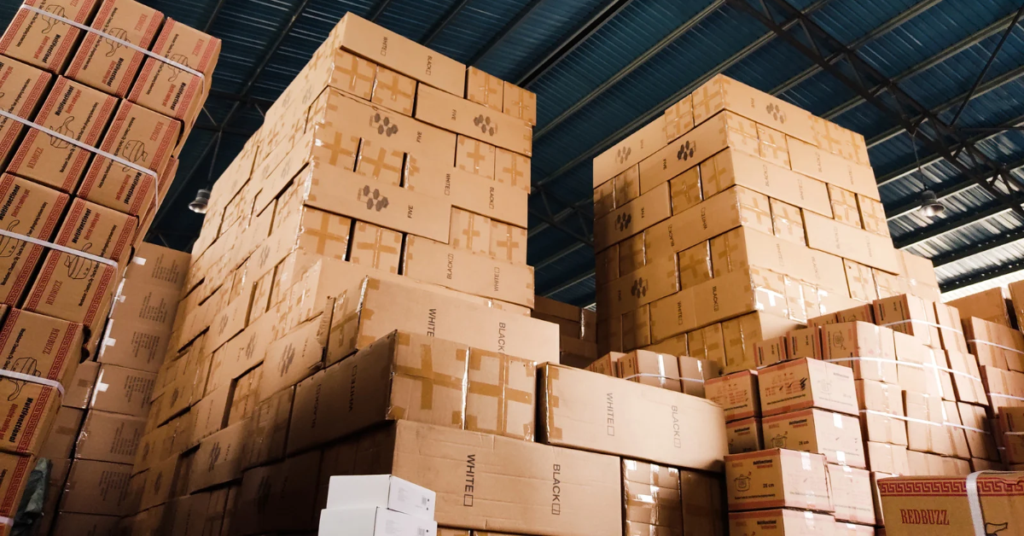
The basic idea behind an Amazon wholesale business is that you buy products in bulk at discounted prices from trusted suppliers. Then, you sell those products on Amazon to make a profit off the price difference.
It’s kind of like buying stock at wholesale rates and reselling it individually on Amazon’s marketplace. The key is to pick products that already have demand, so you don’t need to build brand awareness from scratch.
You’ll need to get approved by the brand or distributor before reselling their products, and some may require business credentials or minimum order quantities. Once you’re approved, it’s all about maintaining stock levels, monitoring pricing, and competing for the Featured Offer, which most sellers still call the Buy Box.
Benefits of Selling Wholesale on Amazon
Amazon’s active seller base shrank from 2.4 million in 2021 to 1.65 million by the end of 2025, according to recent marketplace seller tracking data. Fewer sellers on the platform means wholesale still has room, and here’s why it might work for you too.
- You can start selling faster since you’re using existing products.
- Customers already trust the brands you’re reselling.
- You don’t need to spend time building a brand from scratch.
- Bulk orders give you better pricing and higher margins.
- Sales are more consistent thanks to proven product demand.
Drawbacks of Selling Wholesale on Amazon
No matter how great selling wholesale is, like any other business model, it also comes with its share of disadvantages. Below are the drawbacks of running an Amazon wholesale business that sellers should be prepared for:
- High upfront investment is required to buy products in bulk.
- Research and supplier outreach take a lot of time and effort.
- Brand restrictions and approvals can block or delay reselling.
- Heavy competition on listings can lead to price wars and low margins.
- Since 2026, resellers must label every FBA unit themselves, which adds cost per unit.

Amazon Wholesale Business
Wholesale vs Other Ways to Sell on Amazon
Wholesale sounds pretty cool, but what about those other ways to sell on Amazon you might have heard about? Here’s how wholesale stacks up against them.
Retail Arbitrage
Retail arbitrage is like finding good deals on single items at stores and then reselling them for more online. It can be a good way to start, but it takes a lot of time hunting for deals, and you might not always find what you’re looking for.
Private Label
This is where you create your own brand and sell your own unique products. It’s awesome to have your own brand, but it takes a lot of work to design, manufacture, and market your own stuff, and it can be expensive to get started.
So, which path leads to the most gold? It depends on your goals.
Retail arbitrage is great for starting with little cash. But this approach consumes a ton of time since you are hunting for deals, and the competition is fierce.
A private label is the best if you want to build your own brand. However, this requires a big investment, and it’s a lot of work upfront.
On the other hand, wholesale saves time finding deals, rides on brands shoppers already know, and offers more flexibility with profit margins. Therefore, if you want to skip endless deal-hunting, sell popular brands people already trust, and have more wiggle room for pricing and profit, going wholesale is the choice for you.
| Wholesale | Retail Arbitrage | Private Label | |
|---|---|---|---|
|
Inventory source
|
Brands and distributors
|
Retail stores
|
Your manufacturer
|
|
Startup cash
|
Medium to high
|
Low
|
High
|
|
Sourcing time
|
Low
|
High
|
High at launch
|
|
Ungating |
Medium
|
Hard
|
Easy
|
|
FBA labels
|
FNSKU required
|
FNSKU required
|
Brand barcode allowed
|
|
Listing control
|
Shared |
Shared
|
Full
|
|
Biggest risk
|
Thin margins
|
Account flags
|
Dead inventory
|
How to Start Your Amazon Wholesale Business: Complete Guide
Amazon doesn’t have a separate “wholesale seller account,” but there are specific steps to become a qualified seller and source products through wholesale channels. Our Amazon agency laid them out below in the order you should tackle them.
1. Sign Up for a Seller Account
Head over to Amazon and create a professional selling account. There are associated fees, so make sure you understand the cost structure before proceeding.
How to Open Amazon Seller Central Account and Start Selling on Amazon
Not sure how to open your seller account the right way? Read: How to Open Amazon Seller Central Account and Start Selling on Amazon
2. Verify Your Business Information
Amazon requires verification of your business identity and tax information. This might involve providing your Employer Identification Number (EIN) or Social Security Number (SSN), depending on your business structure.
3. Research and Choose a Product Niche
Don’t jump in blindly! Use product research tools and competitor analysis to find profitable wholesale opportunities, and weigh competition, seasonality, and profit margins before you commit.
4. Find Reputable Wholesale Suppliers
Search wholesale directories, attend trade shows, or contact brands directly to find authorized wholesale distributors. Look for suppliers with competitive pricing, a good reputation, and minimum order quantities (MOQs) that fit your budget.
5. Negotiate Your Wholesale Agreement
Don’t be afraid to negotiate for better pricing and terms with your chosen suppliers. Highlight the value you bring as a seller on the Amazon platform.
6. Get Ungated Before You Buy Inventory
Check whether the brand or category is restricted before you sign a purchase order, since Amazon usually wants a distributor invoice from the last 180 days showing at least 10 units, according to sellers on Amazon’s own forums. Retail receipts from big-box stores get rejected most often, and our guide to Amazon restricted product categories walks through the full approval process.
Understanding Amazon Wholesale Seller Account Requirements
Before getting into selling wholesale, you first need to create a seller account and meet certain requirements. These are the basic steps that set the foundation for starting your Amazon wholesale business.
Amazon Seller Account Types for Amazon Wholesale Selling
When starting a wholesale business on Amazon, it’s important to understand the two main seller account types: Individual and Professional. Each comes with its own fees and features, and the right one depends on your selling volume and business goals.
Individual Seller Account
The Individual plan fits casual sellers with low volume, charging $0.99 per item sold instead of a monthly fee. If you sell fewer than 40 units a month, it costs less than the Professional plan, but it comes with limited selling tools and data access.
For wholesale, it’s a poor fit because it doesn’t include Amazon Ads, and Amazon has long limited Featured Offer eligibility to Professional accounts. Amazon’s July 2026 Featured Offer update removed a seller-performance check but said nothing about selling plans, so don’t count on an Individual account to win sales on a shared listing.
Professional Seller Account
The Professional plan costs $39.99 a month no matter how many items you sell, which makes it the right pick once you pass 40 units a month. It’s also the plan wholesale sellers need, since it includes bulk listing tools, detailed sales reports, Amazon Ads, and a real shot at the Featured Offer, per Amazon’s own selling plan breakdown.
Both plans still pay a referral fee on every sale, which runs between 8% and 15% in most categories. Build that into your margin math before you compare supplier quotes.
Requirements to Start Selling Wholesale Products
Amazon has no separate wholesale account, but you’ll still need a Professional plan, approval for any gated brands, and FNSKU labels on every FBA unit. Because wholesale means larger inventory volumes, set up solid processes for tracking stock, restocking, and planning cash flow from day one.
You may also need to register your business officially, depending on your country or state. Amazon will request your tax and identity information during account setup, so make sure your documentation is accurate and ready.
What Changed for Amazon Wholesale Sellers in 2026
Four rule changes in 2026 hit resellers harder than brand owners. Most sellers found out through a stuck inbound shipment or a deactivated listing, not an announcement.
Do Wholesale Sellers Have to Put FNSKU Labels on Every Unit Now?
Yes, because Amazon stopped prepping and labeling US FBA shipments created on or after January 1, 2026, as Supply Chain Dive reported. Commingling also ended March 31, 2026, per Amazon’s Seller Forums announcement, so resellers now need an FNSKU on every unit unless they hold the Brand Representative role and ship on the manufacturer barcode.
Do I Need Liability Insurance if I Sell Under $10,000 a Month?
You do if any ASIN sits in one of Amazon’s enhanced safety categories, since starting November 2, 2026, those products need a $1 million commercial liability policy at any sales volume, according to EcommerceBytes’ summary of Amazon’s notice. The rule covers old, slow-moving listings too, and our breakdown of the Amazon liability insurance requirements lists every affected category.
Why Does Amazon Keep Changing My Product Titles?
Since July 27, 2026, Amazon caps titles in every non-media category at 75 characters and rewrites longer ones with AI, as covered in our post on the 75-character title limit. This mainly affects wholesale sellers who create a new ASIN or bundle, so write a short title and move the extra details into the 125-character Item Highlights field.
Is the Buy Box Still the Buy Box?
Amazon calls it the Featured Offer now, and in July 2026 it began removing the seller-performance eligibility step that decided who could compete for it, per Amazon’s Seller Forums announcement. With the rollout finishing by the end of 2026 and more offers in the running, check your Featured Offer win rate by ASIN every week.
How Do Third-Party Amazon Account Management Services Reduce Operational Overload?
They take repeat work like labeling compliance, inbound problems, insurance certificates, and case follow-ups off your plate, so one missed 2026 rule doesn’t freeze a shipment while you’re busy sourcing. Whether you outsource or keep it in-house, give each of those tasks a clear owner and review them weekly.
We’ll help you set up, find suppliers, and sell faster on Amazon. Don’t waste time guessing, get a clear strategy today.
Finding the Right Amazon Wholesale Products to Sell
With your account set up, the next step is finding wholesale products with strong demand, low competition, and steady sales, not outdated or oversaturated items. Expect most of a supplier’s catalog to fail that test, since only about 41 of every 1,000 supplier lines passed as real leads in a Q3 2026 study of wholesale supplier price lists.
1. Use Product Research Tools
Product research tools like Jungle Scout and SmartScout act as your data-driven assistants for finding profitable wholesale products. They show estimated monthly sales, profit margins, and competitor data, so you can spot products with strong demand that aren’t flooded with competition.
This walkthrough shows SmartScout and AI used together to check whether a product idea holds up. It also covers the newer bundle rules that trip up resellers who try to build their own listings.
How to Use AI to Find Profitable Products on AmazonHow to Use AI to Find Profitable Products on Amazon
2. Analyze Amazon Trends
Amazon itself offers valuable insights to help you out. Product Opportunity Explorer in Seller Central shows search volume and demand trends by niche, while Brand Analytics reports are only open to registered brand owners, which most wholesale sellers aren’t.
These features reveal the trending products and popular searches on Amazon, so you can discover items that are experiencing a surge in popularity and high sales. What’s more, you can check what people are actively searching for on Amazon, sparking product ideas.
3. Consider Seasonality
Timing matters when selling on Amazon, especially with wholesale products that tie into holidays or seasonal demand. Stocking winter gear in summer or missing the back-to-school rush could leave you with inventory that just sits.
Plan ahead for holidays like Halloween, Christmas, or seasonal shifts like fall semester shopping. Stay alert to pop culture or trending events since these can quickly drive demand for unexpected product categories.
4. Think Beyond the Tools
Software and tools are extremely helpful, but you shouldn’t rely on them alone. Pair the data with seasonality, trend awareness, and your own read on what real buyers need, and you’ll find products that actually move and make you money.
Steven Pope breaks down the biggest product research mistake he sees, which is trusting the tool more than the customer. Watch it before you place your next opening order.
Amazon Product Research, Top Mistake You Should Avoid
Good tools still need a good supplier behind them. To get a better idea of how to find the correct products to sell, click on this product sourcing guide.
Sourcing Reliable Amazon Wholesale Suppliers
Once you’ve found a product worth selling, the next step is finding a reliable supplier who can provide it at wholesale pricing. Your supplier plays a key role in your success, so it’s critical to source from someone you can trust long-term.
- Online Directories: Explore platforms like ShipStation to find suppliers by category and location.
- Trade Shows: Network with suppliers face-to-face, see products firsthand, and discover trends.
- Manufacturer Websites: Look for authorized distributors listed on brand websites.
- Cold Outreach: Contact brands directly and express your interest in becoming a reseller.
Run a brand check before you sign anything. About 3 in 10 products on supplier price lists are tied to brands with a complaint history, according to a 2026 study of wholesale supplier data.
Tips for Negotiating Wholesale Deals with Suppliers
Found suppliers you want to work with? The next thing to do is to negotiate terms that protect your margins and set you up for long-term success; here’s how to negotiate like a pro:
- Research average wholesale prices using tools and industry sites so you know what’s fair.
- Explain your value as a seller and show how you can drive volume on Amazon.
- Negotiate the per-unit price first, but stay flexible during the discussion.
- Try to lower the minimum order quantity if it’s too high for your starting budget.
- Ask for payment terms that match your cash flow, whether it be upfront, split payments, or net terms.
- Stay polite and professional to build long-term trust with your supplier.
A 10% volume discount is worth fighting for, because it lifted usable leads by about 29% in a Q3 2026 analysis of wholesale supplier price lists. The same study found two of every three supplier price changes were increases, usually around 10%, so recheck every lead before each reorder.
Creating Optimized Product Listings for Amazon Wholesale Products
Your product listing is like a virtual storefront to showcase your products on Amazon, designed to convince customers to click “buy”. Here’s how to create listings that turn heads and boost sales for your wholesale products:
- Stellar Images
Use high-quality, well-lit photos that showcase your product from all angles. Include close-up shots in the product listing images to highlight details and features.
- Keyword Magic
Research relevant keywords that people might search for when looking for your product. Include these keywords throughout your listing title, description, and bullet points, but avoid keyword stuffing (using them unnaturally).
- Descriptive Details
Clearly explain what the product is, its features and benefits, and how it solves customer problems. Use bullet points to make your description easy to read and scannable.
- Be Honest and Accurate
Ensure your descriptions and specifications are accurate and avoid misleading information. This helps customers make informed decisions and reduces returns.
- Follow Amazon’s Guidelines
Amazon has specific guidelines for product listings, and you can find them in Seller Central. Make sure your listings comply with these guidelines to avoid suppressions and other issues.
How to Fix Amazon Product Identifier & Image Errors
Tip: Use Amazon’s Request a Review button to ask buyers for feedback. Reviews build trust and social proof, influencing other buyers.
Marketing and Promotions for Your Wholesale Products
Listing your products on Amazon is a great start, but to truly stand out, you need a marketing strategy that gets customers to buy. Here’s how to create a buzz around your wholesale business on Amazon.
- Social Media Savvy
Facebook, Instagram, and TikTok let you show products in action and run targeted ads to the shoppers most likely to buy. On a shared wholesale listing, though, that traffic only pays you while you hold the Featured Offer, so check your win rate on the ASIN before you spend. - Influencer Power
Creators your target buyers already follow can promote your products and build trust faster than ads alone. This short video shows how small creators and pay-per-sale affiliate programs fill a traffic gap without a big ad budget. EMBED VIDEO: Good Product, Zero Sales? Here’s What’s Missing - Amazon PPC Ads
Amazon PPC puts your products in front of shoppers already searching for them, but Sponsored Products ads only serve when your offer can be the Featured Offer, per this breakdown of Amazon’s ad eligibility rules. Since Amazon’s fees already take around 40% of a typical wholesale sale price, start with the ASINs where you win the Featured Offer most often and tie every bid to your break-even ACoS. - Bundle Deals and Promotions
Bundles and limited-time promotions give shoppers a reason to buy, especially when you pair complementary items. Bundles of other companies’ branded products carry their own listing rules, including a unique product identifier, so check Amazon’s current bundling policy in Seller Central before you build one. - Customer Reviews are King
Ask satisfied customers for reviews through Amazon’s Request a Review button, since offering anything in exchange for a review breaks Amazon’s policies. Positive reviews build trust and social proof, influencing other buyers to choose your products.
7 Amazon Social Post Tips
Influencer Marketing for Amazon Sellers: Is It Worth It?
Common Mistakes Amazon Wholesale Sellers Make
Most wholesale mistakes come from the same root problem, which is too many jobs piled on one person with no clear owner for each. Here are six common mistakes that can cost sellers big, and how to avoid them from the start.
- Choosing Products Without Research
Jumping into a product just because it “looks good” can leave you stuck with inventory that doesn’t move. Use data tools to check demand, competition, and fees before buying anything. - Not Following Amazon Rules in Wholesale Selling
Many sellers ignore restrictions like brand gating and get blocked from selling top-name products. Always search each ASIN in Seller Central’s Add a Product tool before sourcing, since it shows whether you need approval to list. - Getting Subpar Suppliers
Working with unverified or low-quality suppliers can lead to product issues, shipping delays, or even account suspensions. Vet every supplier thoroughly by checking reviews, requesting references, and confirming they’re authorized. - Ignoring Profit Margin Calculations
Sellers often forget to factor in Amazon fees, shipping, and taxes, then wonder why they’re barely breaking even. Use a profit calculator to ensure your margins make sense before placing any order. - Underestimating Initial Investment
Wholesale takes real capital, especially with high MOQs from big brands. Plan your budget realistically to cover inventory, storage, and marketing without choking your cash flow. - Shipping Unlabeled Inventory to FBA
Resellers who still send stickerless units are paying for it in 2026. Since prep services and commingling both ended, units without the right FNSKU get flagged at receiving and can sit unsellable while you pay to fix them.
FAQs About Selling Wholesale on Amazon
What are the best wholesale products to sell on Amazon?
Products with consistent demand, low competition, and healthy margins, like home goods, pet supplies, and health products, tend to perform well. Category matters less than how you filter, since results vary more between sellers in the same category than between categories.
Is wholesaling on Amazon profitable?
It is when your landed cost leaves room after Amazon’s cut, which runs near 40% of the sale price for the typical wholesale product. Pick the right products, work with trusted suppliers, and recheck your margins before every reorder, and wholesale can be a highly profitable model.
Do I need a business license to start Amazon wholesale?
In most cases, yes. Brands and distributors usually require a business license and reseller permit to approve you as a wholesale partner.
Ready, Set, Sell!
If you want to build a long-term, scalable business on Amazon, wholesale is one of the most proven business models to get you there. Learning how to sell wholesale on Amazon is a smart move for sellers who want stability, brand recognition, and repeatable growth.
Through this guide, we hope you now have the knowledge and direction to start strong. Use what you’ve learned here as your foundation to build a successful and profitable wholesale business on Amazon.
Do you want to start an Amazon wholesale business? Our full-service Amazon agency can help you out, so contact us today for a consultation to get your business started.
Starting wholesale doesn’t have to be overwhelming. Talk to an Amazon expert and get a step-by-step launch plan.