Last Updated: July 24, 2026
Amazon FBA fees went up twice in 2026, and most sellers are still pricing with last year’s numbers. If you want to know how to reduce Amazon FBA fees this year, start by accepting that the structure changed, not just the rates.
We have managed $1.2B+ in ecommerce revenue across 400+ brands, and the sellers losing the most margin right now are not the ones paying the highest fees. They are the ones who never rebuilt their cost per unit after January.
FBA still earns its keep with fast Prime shipping, hands-off fulfillment, and returns handled for you, which is why 94% of sellers choose this model when they start on Amazon. Those conveniences now cost more than they did in December, in ways that do not surface until the quarter closes.
This guide breaks down every Amazon FBA fee in 2026, from fulfillment and storage to the new 3.5% fuel surcharge and the Overmax handling fee. It also gives you the specific moves that reduce Amazon FBA fees without costing you conversions.
Table of Contents
Struggling with Rising FBA Fees?
Our team can help you cut costs, boost margins, and navigate Amazon FBA fees the smart way.
TL;DR - Amazon FBA Fees in 2026
Amazon FBA fees changed twice in 2026, once in January when the price became a fee input and again in April when a 3.5% surcharge landed on every fulfillment charge. Most sellers still price against last year’s rate card, which is the actual reason margins slipped without anyone noticing.
- Price now decides your fulfillment fee
- Surcharge stacks on January’s increase
- Prep moved off Amazon’s books
- Aged surcharges start at 181 days
- Account averages hide losing SKUs
The published rate is no longer what you pay. Rebuild cost per unit on your top ASINs, then fix packaging, placement, and price band before Q4 turns a rounding error into five figures.
What Changed With Amazon FBA Fees in 2026
Amazon raised FBA fulfillment fees by an average of $0.08 per unit, which the company framed as less than half a percent of an average item’s selling price. That average is the most misleading number in ecommerce this year.
It blends a $0.51 increase on some items with no increase at all on others. Your catalog does not sell the average.
The bigger story is structural. Amazon stopped pricing fulfillment on size and weight alone and added the item’s price to the formula, which means two identical boxes can now carry different fees.
Then came April. Amazon announced a 3.5% fuel and logistics surcharge on April 2 and turned it on April 17, applying it to FBA in the US and Canada before extending it to Buy with Prime and Multi-Channel Fulfillment on May 2.
The surcharge is calculated on your fulfillment fee, not your sale price, and averages about $0.17 per unit. Amazon called it temporary and published no end date, which is the same word FedEx and UPS used on surcharges that never left.
| Date | What changed | Who feels it |
|---|---|---|
|
Jan 1, 2026
|
Amazon ended FBA prep and labeling in the US
|
Anyone who relied on Amazon prep
|
|
Jan 15, 2026
|
Price-band fees, Small Bulky tier, Overmax surcharge
|
Standard-size and oversize sellers
|
|
Apr 15, 2026
|
Ad fees deducted from earnings, no credit card
|
Every seller running PPC
|
|
Apr 17, 2026
|
3.5% fuel surcharge on FBA fulfillment fees
|
Every FBA seller in the US and Canada
|
|
May 2, 2026
|
Surcharge extends to MCF and Buy with Prime
|
Multi-channel brands
|
Five changes in five months, and only one of them arrived as a headline. That is why fee management stopped being an annual task in 2026.
How Amazon FBA Works (and Why Sellers Use It)
Amazon FBA lets you outsource storage, shipping, and customer service to Amazon. You send inventory into fulfillment centers, and Amazon stores the products, picks and packs orders, ships them to customers, and handles inquiries, returns, and refunds.
What Amazon no longer does is prep. As of January 1, 2026, labeling, poly bagging, and bubble wrapping are your responsibility before a unit ever reaches a fulfillment center.
That trade still works for most sellers. You give up control of the box, and you get the Prime badge, the fast delivery promise, and a conversion rate no third-party logistics provider matches on Amazon.

Complete Breakdown of Amazon FBA Fees in 2026
Amazon charges FBA sellers across roughly a dozen separate fee lines, and 2026 changed six of them. Here is every fee you will actually pay this year, what moved, and what stayed flat.
FBA Fulfillment Fees
Amazon charges a fulfillment fee on every unit it picks, packs, and ships for you. That charge depends on four inputs instead of three, since your item’s selling price now sits alongside size tier, shipping weight, and category.
Non-Apparel FBA Fulfillment Fees ($10 to $50 band, non-peak 2026)
| Size Tier | Shipping Weight | Fulfillment Fee |
|---|---|---|
|
Small Standard
|
2 oz or less
|
$3.32
|
|
Small Standard
|
14+ to 16 oz
|
$3.96
|
|
Large Standard
|
1.5+ to 1.75 lb
|
$5.57
|
|
Large Standard
|
2.75+ to 3 lb
|
$6.67
|
|
Small Bulky
|
0 to 50 lb
|
$7.55 + $0.38/lb above first lb
|
|
Large Bulky
|
0 to 50 lb
|
$9.35 + $0.38/lb above first lb
|
|
Extra-Large
|
50+ to 70 lb
|
$37.32 + $0.75/lb above 51 lb
|
Apparel FBA Fulfillment Fees ($10 to $50 band, non-peak 2026)
| Size Tier | Shipping Weight | Fulfillment Fee |
|---|---|---|
|
Small Standard
|
2+ to 4 oz
|
$3.54
|
|
Small Standard
|
14+ to 16 oz
|
$4.25
|
|
Large Standard
|
1.25+ to 1.5 lb
|
$6.04
|
|
Large Standard
|
2.75+ to 3 lb
|
$6.90
|
|
Small Bulky
|
0 to 50 lb
|
$7.55 + $0.38/lb above first lb
|
|
Large Bulky
|
0 to 50 lb
|
$9.35 + $0.38/lb above first lb
|
|
Extra-Large
|
70+ to 150 lb
|
$51.32 + $0.75/lb above 71 lb
|
What the Same Product Costs in Each Price Band
Here is where 2026 breaks the old math. The same box at the same weight carries three different fees depending on what you charge for it.
| Size Tier and Weight | Under $10 | $10 to $50 | Over $50 |
|---|---|---|---|
|
Small Standard, 2 oz or less
|
$2.43
|
$3.32
|
$3.58
|
|
Small Standard, 14+ to 16 oz
|
$2.95
|
$3.96
|
$4.22
|
|
Large Standard, 1.5+ to 1.75 lb
|
$4.75
|
$5.57
|
$5.83
|
|
Large Standard, 2.75+ to 3 lb
|
$5.85
|
$6.67
|
$6.93
|
|
Small Bulky, 0 to 50 lb
|
$6.78 + $0.38/lb
|
$7.55 + $0.38/lb
|
$7.55 + $0.38/lb
|
|
Large Bulky, 0 to 50 lb
|
$8.58 + $0.38/lb
|
$9.35 + $0.38/lb
|
$9.35 + $0.38/lb
|
Low-Price FBA Fees
Low-Price FBA is Amazon’s discounted fulfillment structure for items priced under $10. Rates apply automatically with no enrollment, and delivery speeds match standard FBA, including free Prime shipping.
Amazon raised the discount from $0.77 to $0.86 per unit for 2026. Peak pricing for Low-Price FBA ended in 2025 and did not return, so these rates hold year-round.
Small Standard, 2026 Low-Price Rates
| Shipping Weight | Fulfillment Fee |
|---|---|
|
2 oz or less
|
$2.43
|
|
2+ to 4 oz
|
$2.49
|
|
4+ to 6 oz
|
$2.56
|
|
6+ to 8 oz
|
$2.66
|
|
8+ to 10 oz
|
$2.77
|
|
10+ to 12 oz
|
$2.82
|
|
12+ to 14 oz
|
$2.92
|
|
14+ to 16 oz
|
$2.95
|
Large Standard, 2026 Low-Price Rates
| Shipping Weight | Fulfillment Fee |
|---|---|
|
4 oz or less
|
$2.91
|
|
4+ to 8 oz
|
$3.13
|
|
8+ to 12 oz
|
$3.38
|
|
12+ to 16 oz
|
$3.78
|
Fulfillment Fees for Dangerous Goods
Products classified as hazmat carry higher fulfillment fees because of the special handling and storage they require. This covers batteries, aerosols, and flammables, along with many cleaning and beauty products sellers never expect to qualify.
Dangerous goods follow the same three price bands as everything else in 2026. The rates below are for the $10 to $50 band, where most sellers sit.
| Size Tier | Shipping Weight | Fulfillment Fee |
|---|---|---|
|
Small Standard |
2 oz or less |
$4.29
|
|
Large Standard
|
12+ to 16 oz
|
$5.19
|
|
Small Bulky
|
0 to 50 lb
|
$8.27 + $0.38/lb above first lb
|
|
Large Bulky
|
0 to 50 lb
|
$10.07 + $0.38/lb above first lb
|
|
Extra-Large
|
50+ to 70 lb
|
$40.53 + $0.75/lb above 51 lb
|
Hazmat units also skip the storage utilization surcharge entirely, though the base storage rate runs higher at $0.99 per cubic foot off-peak for standard-size.
Check your classification before you assume a product is standard. Misclassified units get flagged at receiving, and if Amazon’s review team puts you in the wrong bucket, you can appeal through the dangerous goods review process in Seller Central.
Unplanned Service Fees
Unplanned service fees hit when a shipment arrives without meeting Amazon’s prep, labeling, or packaging requirements. These rates stayed flat for 2026, but they matter far more now that Amazon no longer offers to do the prep for you.
| Problem | Standard | Elevated or critical |
|---|---|---|
|
Label missing
|
$0.20
|
$0.40
|
|
Unplanned prep, taping
|
$0.20
|
$0.40
|
|
Unplanned prep, bagging
|
$0.70
|
$1.40
|
|
Unplanned prep, bubble wrap
|
$1.00
|
$2.00
|
Monthly Inventory Storage Fees
Amazon charges monthly storage based on the average daily volume your inventory occupies in fulfillment centers, measured in cubic feet. The rate depends on your product size and the time of year, with Q4 running roughly three times the off-peak rate.
Rates for Non-Dangerous Goods
| Storage Period | Standard-Size Items | Oversize Items |
|---|---|---|
|
January to September
|
$0.78 per cubic foot
|
$0.56 per cubic foot
|
|
October to December
|
$2.40 per cubic foot
|
$1.40 per cubic foot
|
Rates for Dangerous Goods
| Storage Period | Standard-Size Items | Oversize Items |
|---|---|---|
|
January to September
|
$0.99 per cubic foot
|
$0.78 per cubic foot
|
|
October to December
|
$3.63 per cubic foot
|
$2.43 per cubic foot
|
Aged Inventory Surcharge (Formerly Long-Term Storage Fees)
Amazon replaced the old 365-day long-term storage fee with a graduated surcharge that starts at 181 days. It stacks on top of your regular monthly storage fee, and 2026 added a new tier at the top end.
| Inventory Age | Fee per Cubic Foot | Per-Unit Floor |
|---|---|---|
|
181 to 210 days
|
$0.50
|
None |
|
211 to 240 days
|
$1.00
|
None |
|
241 to 270 days
|
$1.50
|
None |
|
271 to 300 days
|
$5.45
|
None |
|
301 to 330 days
|
$5.70
|
None |
|
331 to 365 days
|
$5.90
|
None |
|
366 to 455 days
|
$6.90
|
$0.30, whichever is greater
|
|
456+ days
|
$7.90
|
$0.35, whichever is greater
|
Inventory Storage Overage Fees
These no longer exist. Amazon discontinued inventory storage overage fees across the US, Canada, UK, and EU marketplaces in July 2024, and nothing in the 2026 fee cycle brought them back.
Capacity limits and the storage utilization surcharge took their place, which changed the penalty rather than removing it.
| Overage fees (2023 to July 2024) | 2026 | |
|---|---|---|
|
What it cost
|
$10 per cubic foot per month on the excess volume
|
Utilization surcharge added to your storage rate, up to $2.66 per cubic foot
|
|
What happens if you exceed
|
Billed on top of storage and aged inventory fees
|
Shipment creation blocked until capacity frees up
|
Amazon used to bill you for holding too much inventory. Now it stops you from restocking, which costs a lot more than a fee if it hits a hero SKU heading into Q4.
Low Inventory Level Fees
The low inventory level fee applies when both your 30-day and 90-day historical supply fall below 28 days. It is charged per unit sold, and 2026 brought two changes worth knowing.
Amazon now calculates the metric at the FNSKU level rather than the parent ASIN level, so a parent that looks healthy can carry penalties on three child variations. The fee also expanded beyond standard-size to cover small bulky and large bulky products.
| Size Tier | Under 14 Days | 14 to 21 Days | 21 to 28 Days |
|---|---|---|---|
|
Small standard, up to 16 oz
|
$0.89
|
$0.63
|
$0.32
|
|
Large standard, up to 3 lb
|
$0.97
|
$0.70
|
$0.36
|
|
Large standard, 3 to 20 lb
|
$1.11
|
$0.87
|
$0.47
|
|
Small bulky, up to 50 lb
|
$1.85
|
$1.02
|
$0.51 |
|
Large bulky, up to 50 lb
|
$2.09
|
$1.15
|
$0.57
|
Exemptions still cover new sellers, new-to-FBA ASINs, low-volume items, meltables, renewed products, and SKUs auto-replenished through AWD. Grocery items joined the exemption list for 2026.
Apparel and beauty catalogs with deep variation counts feel the FNSKU change hardest. A single parent with twelve children now has twelve separate ways to trigger the fee.
Referral Fees
Amazon charges a referral fee on every sale, deducted automatically from the total sales price including shipping. Rates held flat for 2026, with no structural changes to any category.
| Category | Referral Fee |
|---|---|
|
Electronics |
8%
|
|
Media products
|
15%
|
|
Apparel |
17%
|
|
Jewelry |
20%
|
|
Other categories
|
6% to 45%
|
Most categories land at 15%, which is the number to model against if you sell across several. Jewelry and a handful of specialty categories run higher, and consumer electronics stays the cheapest of the major ones.
Referral fees are the one high cost you genuinely cannot reduce. Everything else on this page has a lever attached to it, which is why the sellers who fix fulfillment and storage first end up in a better position than the ones who spend a quarter arguing about category classification.
Returns Processing Fees
Amazon charges a returns processing fee on products with high return rates, measured against category-specific thresholds over a rolling three-month window. Apparel and footwear work differently, with a flat fee on every returned unit and no threshold at all.
| Category | Fee Type | Return Fee |
|---|---|---|
|
Apparel |
Every return
|
$1.65 to $3.89+
|
|
Shoes and footwear
|
Every return
|
$1.65 to $4.01+
|
|
Other, small standard
|
Above threshold only
|
$1.78 to $2.21
|
|
Other, large standard
|
Above threshold only
|
$2.36 to $5.00+
|
|
Other, small and large bulky
|
Above threshold only
|
$6.74 + $0.32/lb above first lb
|
Thresholds swing by more than 4x. Grocery sits at 2.9%, Home and Kitchen at 8.1%, and Backpacks and Luggage at 12.8%, so a Grocery seller at a 3.5% return rate pays the fee while a Watches seller at 11% does not.
Check your category number in Seller Central before you assume returns are a fixed cost. Sellers moving fewer than 25 units a month are exempt entirely.
Removal or Disposal Fees
Removal and disposal fees apply when you pull unsold inventory out of fulfillment centers or ask Amazon to destroy it. Both use the same rate card, charged per unit by size tier and weight.
| Size Tier | Shipping Weight | Removal or Disposal Fee |
|---|---|---|
|
Standard-size
|
0 to 0.5 lb
|
$0.84
|
|
Standard-size
|
0.5+ to 1 lb
|
$1.53
|
|
Standard-size
|
1+ to 2 lb
|
$2.27
|
|
Standard-size
|
Over 2 lb
|
$2.89 + $1.06/lb above 2 lb
|
|
Large bulky or extra-large
|
0 to 1 lb
|
$3.12
|
|
Large bulky or extra-large
|
1+ to 2 lb
|
$4.30
|
|
Large bulky or extra-large
|
2+ to 4 lb
|
$6.36
|
|
Large bulky or extra-large
|
4+ to 10 lb
|
$10.04
|
|
Large bulky or extra-large
|
Over 10 lb
|
$14.32 + $1.06/lb above 10 lb
|
Apparel, shoes, watches, jewelry, and dangerous goods fall under special handling and are billed on the large bulky schedule regardless of actual size.
Liquidation Fees
FBA Liquidations lets you recover part of your cost on excess or unsellable stock while escaping storage fees and aged inventory surcharges. Amazon charges a 15% liquidation referral fee on gross recovery value plus a per-unit processing fee.
| Size Tier | Shipping Weight | Processing Fee per Unit |
|---|---|---|
|
Standard-size
|
0 to 0.5 lb
|
$0.25
|
|
Standard-size
|
0.5+ to 1 lb
|
$0.30
|
|
Standard-size
|
1+ to 2 lb
|
$0.35
|
|
Standard-size
|
Over 2 lb
|
$0.40 + $0.20/lb above 2 lb
|
|
Large bulky or extra-large
|
0 to 1 lb
|
$0.60
|
|
Large bulky or extra-large
|
1+ to 2 lb
|
$0.70
|
|
Large bulky or extra-large
|
2+ to 4 lb
|
$0.90
|
|
Large bulky or extra-large
|
4+ to 10 lb
|
$1.45
|
|
Large bulky or extra-large
|
Over 10 lb
|
$1.90 + $0.20/lb above 10 lb
|
How to Measure and Report on Amazon FBA Fees
You cannot cut a cost you have never measured, and most sellers only see fees as one lump line on a statement. Those charges accumulate across a dozen separate lines quietly, so a SKU can sell well all quarter and still lose money without anyone noticing until the books close.
Lorem ipsum dolor sit amet, consectetur adipiscing elit. Ut elit tellus, luctus nec ullamcorper mattis, pulvinar dapibus leo.
Tips for Calculating Amazon FBA Fees Accurately
With all the different fees FBA sellers need to keep up with, it can get confusing trying to figure out your true costs. Here are some tips to help you calculate your Amazon FBA fees accurately so you can make smarter pricing and sourcing decisions.
1. Stay Updated with FBA Fee Announcements
Amazon updates its FBA fee structure multiple times a year, so always check the official announcements on Seller Central to stay current with any changes to fulfillment, storage, removal, and other operational fees. This ensures your profit calculations reflect real costs, not outdated estimates.
2. Use the FBA Revenue Calculator
Amazon’s FBA Revenue Calculator gives you a quick estimate of your total costs, including fulfillment, referral, and storage fees. It’s the most reliable way to check your margins before launching or restocking a product.
3. Know Your Product's Size and Weight
FBA fulfillment fees are based on your product’s size tier and shipping weight. Check Amazon’s latest fee tables and make sure your product packaging isn’t bumping you into a higher, more expensive tier.
4. Estimate Storage Costs by Volume
Monthly storage fees are charged by the cubic foot, and they increase during Q4. Measure your product’s dimensions, calculate the volume, and apply the correct seasonal rate to avoid surprises.
5. Don’t Overlook Extra Charges
Returns, removals, and prep service fees can stack up quickly. If you frequently deal with customer returns or ship unprepared inventory, make sure to include these in your total cost per unit.
How Do I Calculate True Cost per Unit in 2026?
Count seven cost lines, not three. Landed cost, fulfillment fee, the 3.5% surcharge, referral fee, prep, a storage allocation, and your actual return rate all belong in the number.
Prep and returns are the two that vanish most often, since neither lands as a tidy fee line in Seller Central. Start with your top 20 ASINs using Fee Preview under Reports and Payments, and note that Amazon updated the Revenue Calculator, Fee and Economics Preview, and Profit Analytics dashboard to reflect the surcharge.
What Is a Healthy FBA Fee Percentage of Revenue?
Total Amazon fees usually land between 33% and 38% of revenue for standard-size sellers once fulfillment, referral, storage, and returns are counted. Under 30% is strong, and over 40% means something structural is broken.
| Metric | Average | Good |
|---|---|---|
|
Total Amazon fees as % of revenue
|
33% to 38%
|
Under 30%
|
|
Fulfillment fee as % of sale price
|
12% to 16%
|
Under 10%
|
|
Storage as % of revenue
|
2% to 4%
|
Under 2%
|
Track this by SKU, never by account. An account-level average of 35% can hide twenty products sitting at 55%.
How Do I Find Which SKUs Are Losing Money?
Sort your catalog by contribution margin per unit, lowest first, then multiply by units sold. The worst SKU by margin is not always the worst SKU by dollars, and the dollars are what you fix first.
Three patterns show up in almost every audit. Products priced just above a band boundary, oversize items that never got re-measured, and slow movers quietly aging past 181 days.
Which SKUs Should I Cut, Keep, or Fix?
Sort every product against two questions. Does it earn a healthy margin per unit, and does it move at volume?
| Sells well | Sells slowly | |
|---|---|---|
|
Healthy margin
|
Keep and protect. Feed it ad budget and inventory
|
Fix. Test price, bundle it, or reduce restock depth
|
|
Thin or negative margin
|
Fix first. Small changes here return the most dollars
|
Cut. Liquidate before the aged surcharge compounds
|
The cut decision is the one sellers avoid longest. A slow mover with negative contribution margin costs you money every day it sits in a fulfillment center, and hope is not an inventory strategy.
Take Control of Your Amazon FBA Costs
Rising fees shouldn’t wipe out your margins. Get expert help to reduce expenses and grow your FBA business profitably.
Why Amazon FBA Fees Cost More Than the Rate Card Says
Every fee in the breakdown above is published, so none of them are hidden in the technical sense. The gap between what the rate card says and what you actually pay comes from how those fees compound, and from the costs that never appear on a fee line at all.
What Makes 2026 Fees Harder to Manage Than 2025?
Fees stopped changing once a year. Amazon moved five separate things between January and May, and each one landed on a different part of your cost structure.
The rate card also stopped being a single number per product. Price bands mean the same box now carries three possible fees, so a spreadsheet built on size and weight alone gives you the wrong answer.
Why Does $0.25 per Unit Turn Into Five Figures?
Volume multiplies everything. A catalog moving 20,000 units a year absorbed roughly $1,600 from the January increase alone, then another $3,400 from the surcharge at the same volume.
Scale that to 100,000 units and the same two changes cost about $25,000 a year. Neither number surfaces until the quarter closes, by which point you already sold three months of inventory at a price built on last year’s math.
Which Products Got Hit Hardest in 2026?
| Segment | 2026 exposure | First move |
|---|---|---|
|
Standard-size above $50
|
Up to $0.51 per unit, plus surcharge
|
Test price band boundaries
|
|
Bulky and oversize
|
Overmax plus SIPP, up to $17+ per unit
|
Certify SIPP, re-measure cartons
|
|
High-SKU catalogs under $50
|
$0.25 per unit across thousands of units
|
Audit packaging tier by tier
|
|
Deep variation catalogs
|
FNSKU-level low inventory fees
|
Forecast by child, not parent
|
Oversize sellers carry the most concentrated risk of the four. A single Overmax reclassification can erase the margin on an entire product line.
What Costs Never Show Up as a Fee Line?
Prep is the largest one now that Amazon exited on January 1. It moved into your operations budget, where almost nobody tracks it back against SKU margin.
After that, it is the quiet list. Customer-damaged returns you cannot resell, storage utilization surcharges buried inside your monthly rate, capital tied up in aged inventory, and the conversion you lose every time a product goes out of stock.
Challenges Sellers Face with Amazon FBA Fees
Sellers are feeling the pressure as Amazon FBA fees keep climbing and stacking up, leading to more challenges in running a profitable business. These growing costs are forcing sellers to adapt quickly while dealing with issues like the following:
1. Unforeseen and Hidden Costs
Unexpected fees like prep services, labeling, and fulfillment center transfers can quickly erode margins. Sellers are often blindsided by these costs, making it difficult to predict expenses accurately.
Amazon Vine creates another hidden launch expense because you pay a fee and sacrifice inventory just to gamble on a good review. Check the video below to understand this better.
2. Managing Returns and Their Costs
Returns processing fees and the lack of reimbursement for customer-damaged items further reduce profitability. Sellers bear the cost of unsellable returns, adding to their financial burden.
3. Eroding Profit Margins
Rising fulfillment and low inventory fees are steadily eating into profit margins. Some sellers face thousands in fees annually, forcing them to raise prices or reconsider certain products.
Rising fulfillment rates and unexpected storage penalties shrink seller margins every day. Amazon policy changes make this cash flow squeeze even tighter. A recent beta test forces sellers to pay for ads directly from their balances instead of using credit cards.
This change wipes out thousands in cashback rewards. Watch this video for a painfully real look at how fee hikes and surprise policies drain your profit.
4. Competing with Non-FBA Sellers
Non-FBA sellers avoid various fees, allowing them to offer lower prices. FBA sellers struggle to remain competitive while covering rising fulfillment and storage costs.
5. Lack of Transparency and Support
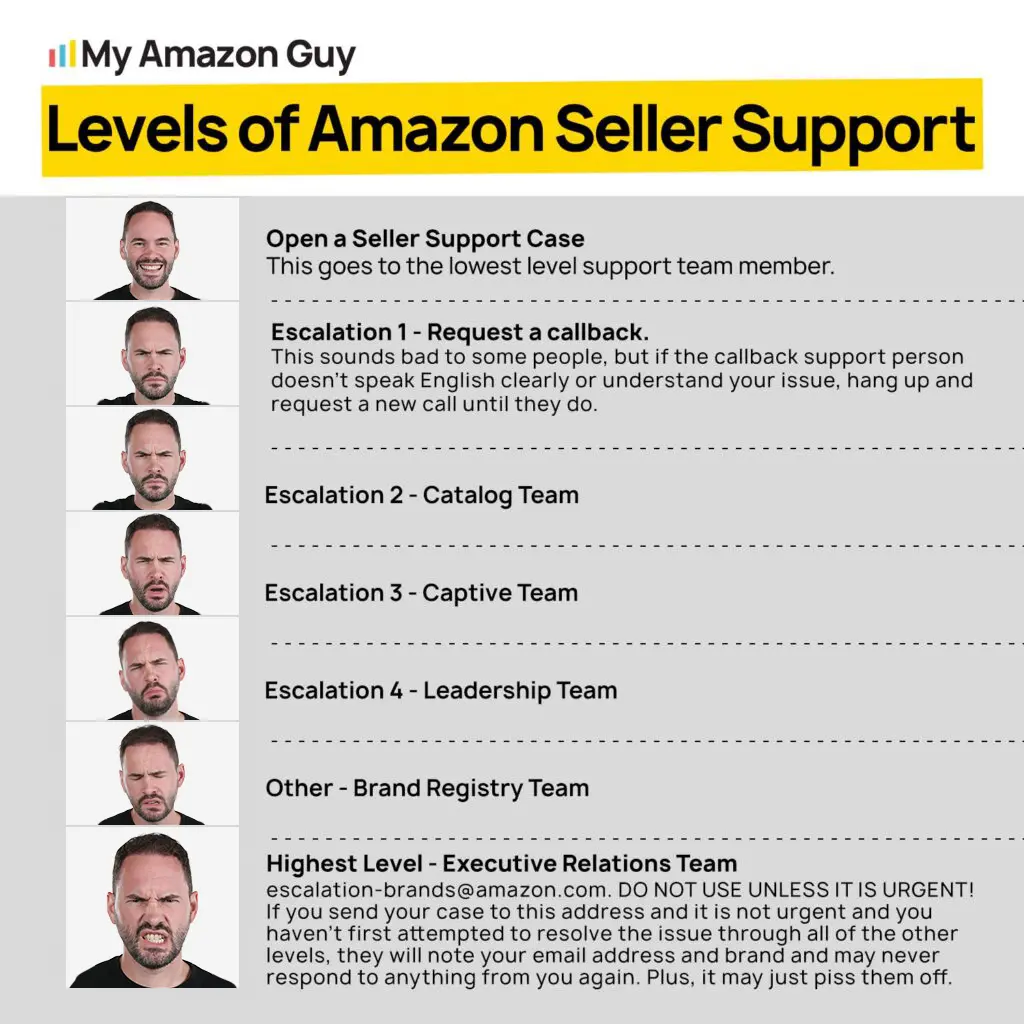
Amazon’s fee structure lacks transparency, and Seller Support often provides unclear or unhelpful answers. This makes it difficult for sellers to navigate and manage their costs effectively.
6. Low Inventory Fees
Low inventory fees are applied when stock falls below 28 days of supply, creating challenges for seasonal and end-of-life products. Sellers may be penalized for circumstances beyond their control, such as supply chain delays.
7. Balancing Inventory and Storage Costs
Sellers must strike a delicate balance between overstocking, which leads to high storage fees, and understocking, which incurs low inventory fees. Delays outside their control, like shipping issues, exacerbate this problem.
How to Reduce Amazon FBA Fees
Most sellers respond to a fee increase by raising prices, which is the slowest and riskiest lever available. Start with packaging and placement instead, since both cut cost per unit without touching your conversion rate.
Tips on How to Reduce Amazon FBA Costs
Cutting down on Amazon FBA costs is now a must as fees keep stacking up across fulfillment, storage, and returns. Here are some tips on how sellers can cut down their Amazon FBA costs while staying competitive and profitable.
1. Optimize Packaging and Product Size
Amazon’s FBA fees are based on an item’s weight and size, which is why reducing the packaging size can significantly lower fulfillment fees. Optimize your product packaging to minimize both weight and dimensions, ensuring you’re not paying more than necessary.
2. Bundle Complimentary Products
Bundling similar or complementary items can allow you to pay fulfillment fees for one unit instead of multiple products. Bundled products can also improve visibility on Amazon and drive sales through promotions, making this strategy beneficial for both reducing fees and boosting sales.
3. Remove Underperforming Products
Aged inventory can lead to hefty long-term storage fees, so regularly assess your inventory and remove or discount slow-moving items. This will help you avoid high storage costs and free up space for faster-selling products.
4. Utilize Amazon Outlet
Selling overstocked or slow-moving products on Amazon Outlet can help clear out inventory while avoiding storage fees. Amazon Outlet offers customers discounts, helping you move products faster without taking a major hit to your margins.
5. Automate Inventory Management
Automating your inventory management can prevent overstocking or understocking, both of which can lead to unnecessary fees. Tools that monitor inventory levels and sales velocity help you maintain optimal stock levels and avoid long-term storage or stockout penalties.
Automation ensures you stay efficient and saves time while reducing human errors. Our Amazon agency recommends using Veeqo for this, and below is a video guide showing why:
6. Use the FBA Export Program
Expand your market internationally by enrolling in the FBA Export Program. Amazon will handle international shipping at no additional cost, allowing you to reach global customers without incurring high shipping expenses, which can increase your sales potential while keeping your costs low.
7. Create a Shipping Plan
By carefully planning where your inventory is shipped, you can avoid unnecessary fees associated with multiple fulfillment centers. A well-crafted shipping plan will ensure your products are stored in the most optimal locations, reducing transfer costs and improving fulfillment efficiency.
8. Monitor IPI Storage
Maintaining a high Inventory Performance Index (IPI) score helps you avoid long-term storage fees. By monitoring and improving your IPI, you’ll ensure your products are sold quickly, reducing the chance of being charged for excess inventory that’s stored too long.
9. Use Clearance Sales
To quickly sell off aged inventory and avoid long-term storage fees, run clearance sales. Offering discounts for slow-moving products can help free up storage space and reduce the financial impact of holding onto unsellable stock.
10. Use Amazon’s Advertising Tools
Effective advertising can prevent inventory from lingering in fulfillment centers, reducing long-term storage costs. It also helps increase your product’s visibility and improves your overall ranking on the Amazon marketplace.
How Do I Lower My Fulfillment Fee Without Changing My Product?
Right-size the packaging. Amazon bills on the greater of unit weight or dimensional weight, so a lightweight boxy product routinely bills two or three bands above what the scale reads.
Measure every SKU against the tier boundaries and shave the box wherever the product allows. Dropping one size tier saves more per unit than most sellers save in a year of negotiating anything else.
How Do I Avoid the Inbound Placement Service Fee?
Ship five or more identical cartons per item and take the Amazon-optimized split option. That is the only reliable path to a $0 placement fee.
Minimal-split shipments feel simpler and cost more per unit. Consolidating a scattered inbound cadence into fewer, larger, properly split shipments usually pays for itself inside one quarter.
Where Should I Get Prep Done Now That Amazon Stopped?
At the factory, whenever the product allows it. Poly bagging, labeling, and bundling at origin costs a fraction of what a domestic prep center charges per unit.
If origin prep is not possible, negotiate prep into your third-party logistics contract rather than paying per unit. Per-unit prep pricing is where margin quietly disappears at volume.
How Do I Stop Paying Storage on Inventory That Will Not Sell?
Cut it before day 181. Run clearance pricing, bundle slow movers with fast movers, or move units through Amazon Outlet while the surcharge is still $0.50 rather than $5.45.
Removal costs money and liquidation recovers some of it. Both beat paying $6.90 per cubic foot to store a product nobody wants.
Should I Price Products at $9.99 or $10.49?
Run the math before assuming higher is better. The $0.86 Low-Price FBA discount plus a lower referral base sometimes beats the extra fifty cents of revenue, especially on high-velocity commodity items.
The same logic applies at the $50 boundary in reverse. Pricing at $49.99 instead of $52.99 saves $0.31 to $0.51 per unit in fulfillment alone.
How Do I Raise Prices Without Losing the Buy Box?
Move in small steps and watch session-to-order conversion rather than rank alone. A 3% to 5% increase held for two weeks tells you more than one large jump.
Raise price on your strongest converting ASINs first, because they absorb elasticity best. If conversion holds and the Buy Box holds, the entire 2026 fee increase is covered without touching anything else.
Is Amazon FBA Still Worth It in 2026?
Yes for most sellers, and the reason is Prime conversion. FBA still buys the badge, the delivery promise, and a conversion lift no alternative replicates on Amazon.
The honest answer changes at the SKU level, not the account level. Oversize items facing Overmax, slow movers collecting aged inventory surcharges, and low-margin bulky products are the real candidates for a third-party logistics provider or a hybrid model.
Moving a fast-selling standard-size ASIN off FBA to save $0.17 usually costs more in lost conversion than it saves in fees. Compare SKU by SKU, and for a closer look at how these costs interact with margin, see our guide on how Amazon FBA pricing and fees affect profitability.
Frequently Asked Questions About Amazon FBA Fees
What are the different types of Amazon FBA fees?
Amazon FBA fees include fulfillment fees, storage fees, removal/disposal fees, referral fees, return processing fees, and labeling/prep fees. Each fee type is based on product size, weight, storage time, or service used.
How can I reduce FBA fees on Amazon?
Use compact packaging to lower size-based fees. Manage inventory to avoid long-term storage, bundle items, use the FBA calculator to check profit margins, and automate stock management to stay efficient.
Are there hidden costs in Amazon FBA?
While Amazon FBA fees are largely transparent, sellers can sometimes overlook or be surprised by additional costs, such as long-term storage fees, removal or disposal fees, return processing charges, and prep or labeling fees if products aren’t FBA-ready. These fees are listed by Amazon but can be easily overlooked without regular account monitoring.
What is an Amazon FBA fee calculator?
An Amazon FBA fee calculator is an essential tool that helps sellers estimate the fees they will incur when using Fulfillment by Amazon. This tool calculates various FBA costs, including fulfillment, storage, and referral fees, helping sellers understand their potential profit margins.
To reduce FBA costs, sellers can use the official Amazon FBA Revenue Calculator, which is available through Amazon Seller Central. This tool also allows sellers to compare costs between FBA and FBM.
Amazon Sellers Navigating Amazon Fees in 2026
Let’s be honest: Amazon FBA still remains one of the most powerful tools if you want to grow your business on Amazon. However, admittedly, there are some tough realities in using it, especially the amount of money you need to put out because of all the fees they impose.
To protect yourself from unnecessary losses and poor decisions that could jeopardize your business, it’s important to learn about these fees and how to reduce them. With this guide, we hope you better understand what you’re paying for and how to keep your FBA operation profitable.
Are you having trouble with your Amazon FBA business? Contact our full-service Amazon agency today and let our team of experts help you out!
Want to Keep Your FBA Profits Intact?
If you're struggling with FBA fees or trying to figure out how to stay profitable, you’re not alone. Our Amazon agency works with sellers like you every day to cut costs and scale faster.